
Last updated November 22, 2026
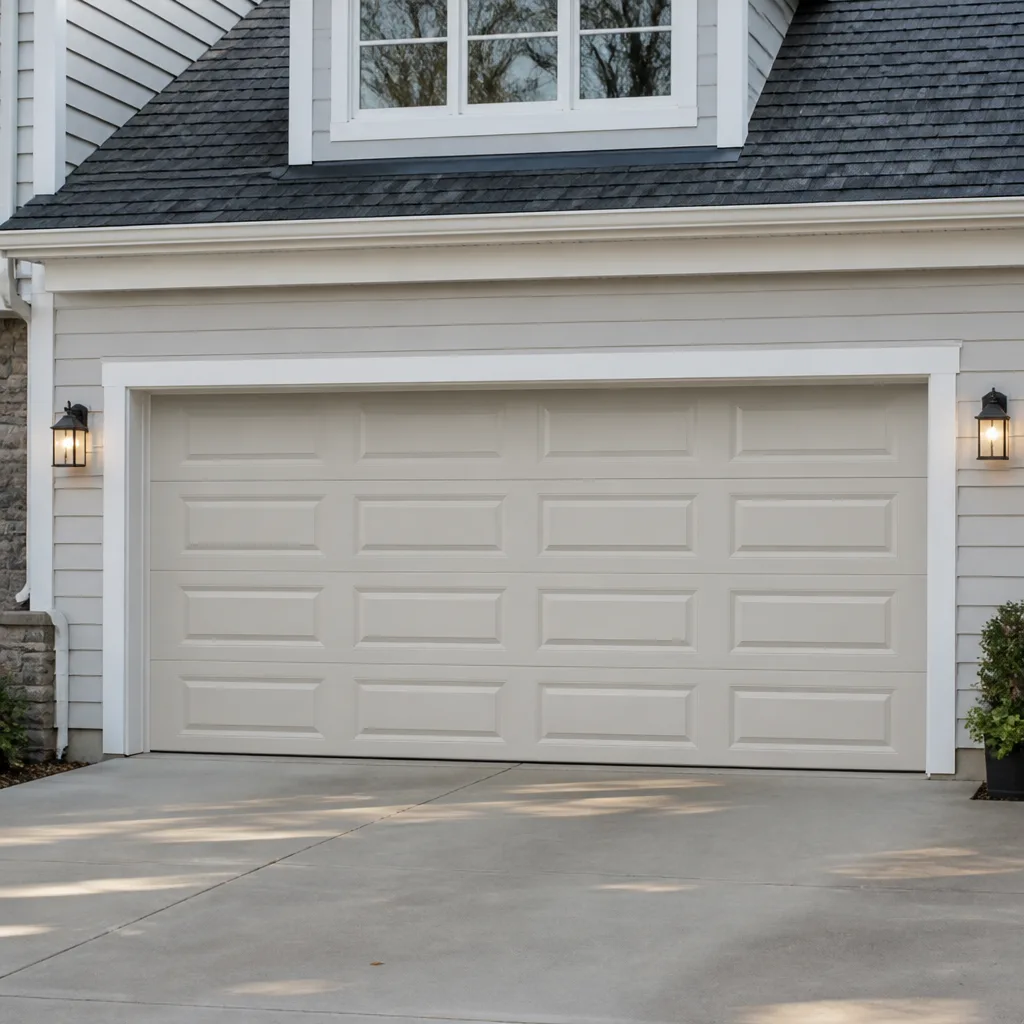 Raised-panel steel
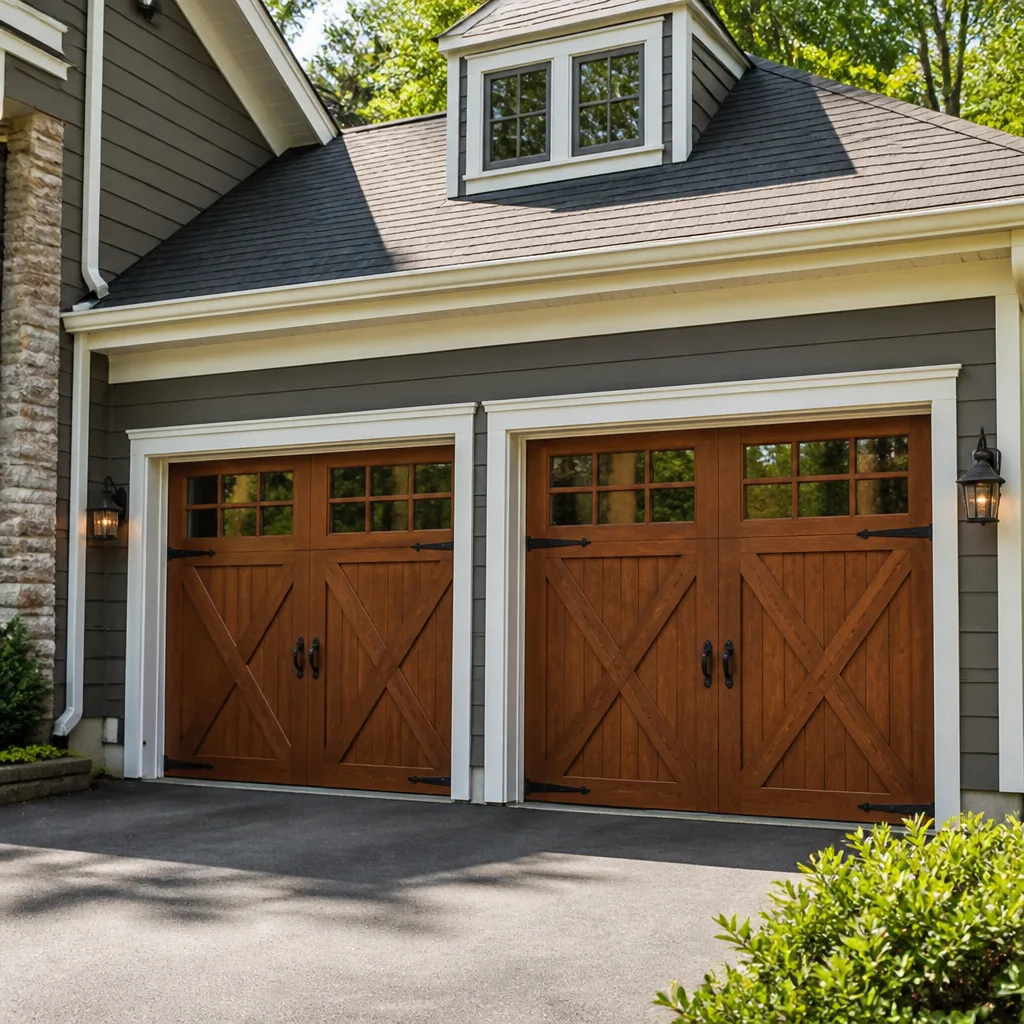 Carriage house
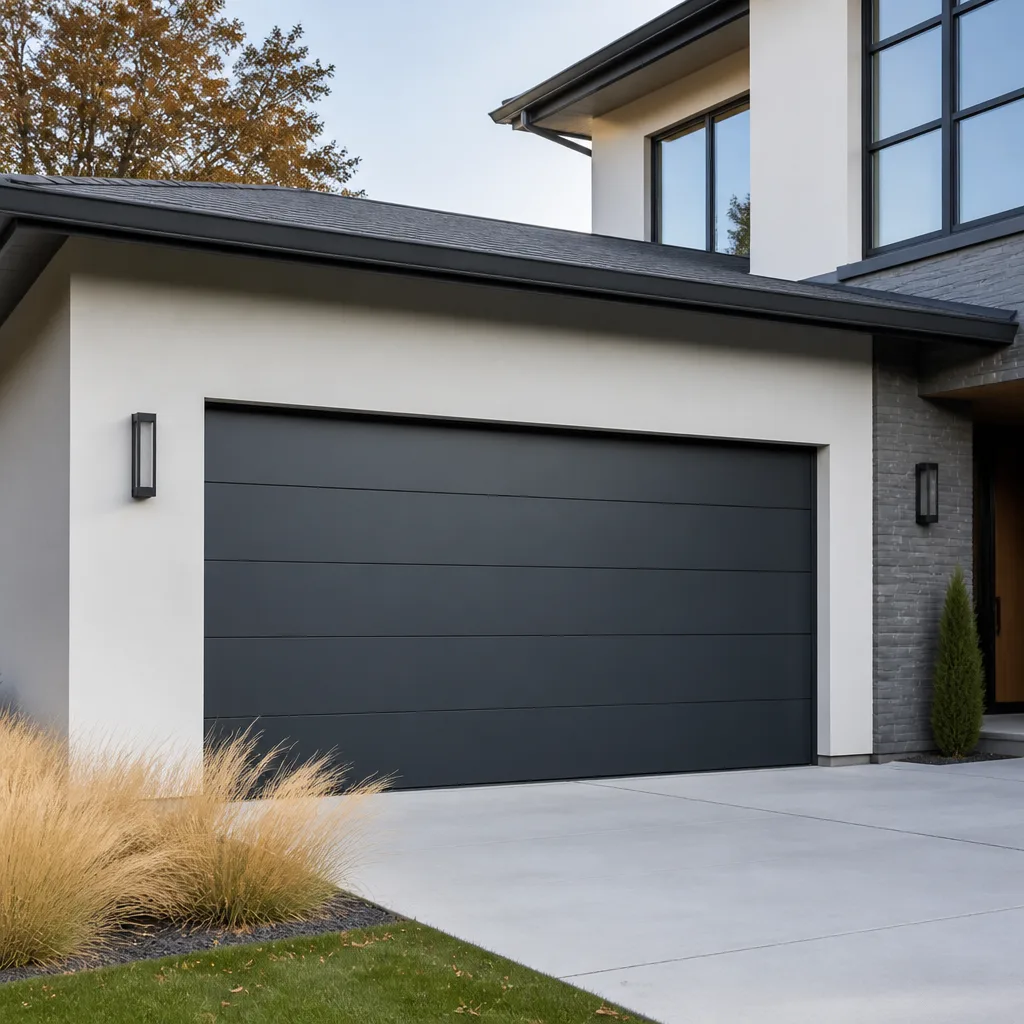 Modern flush
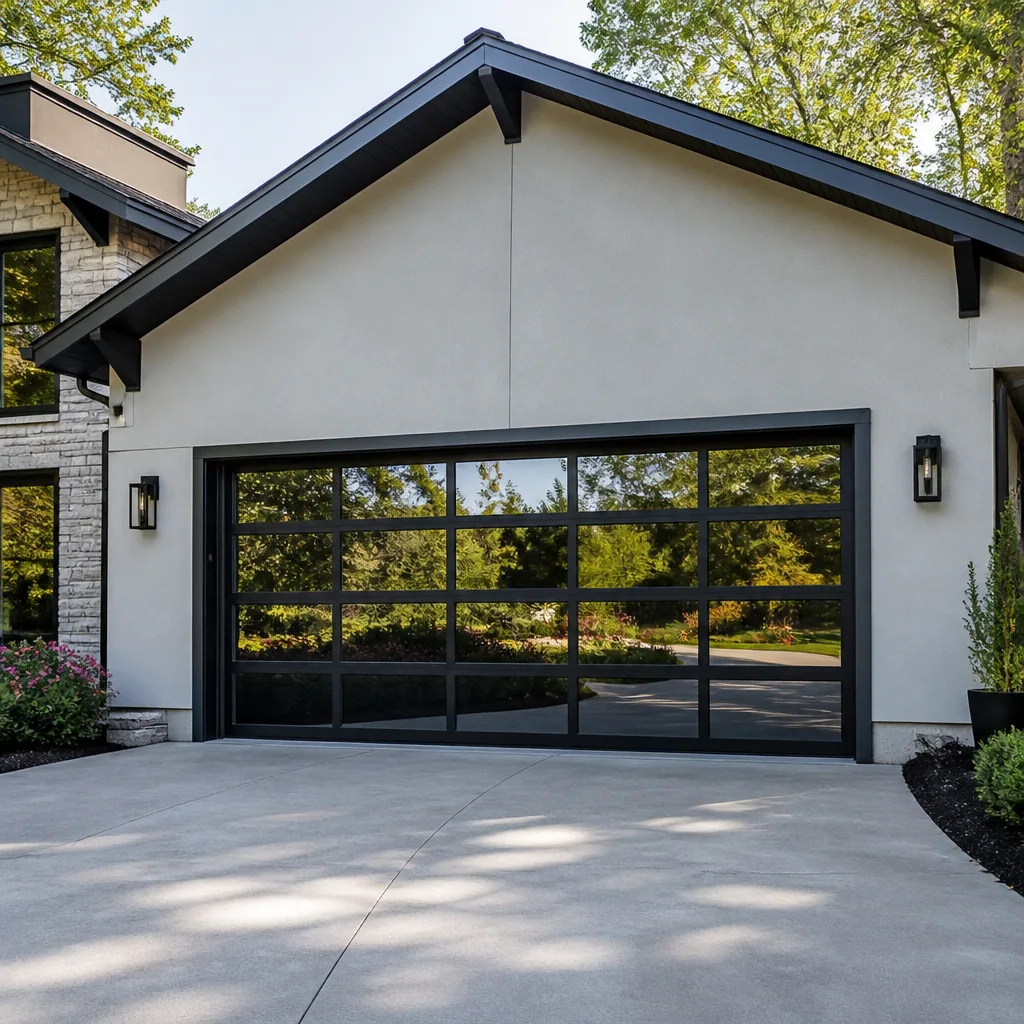 Full-view glass
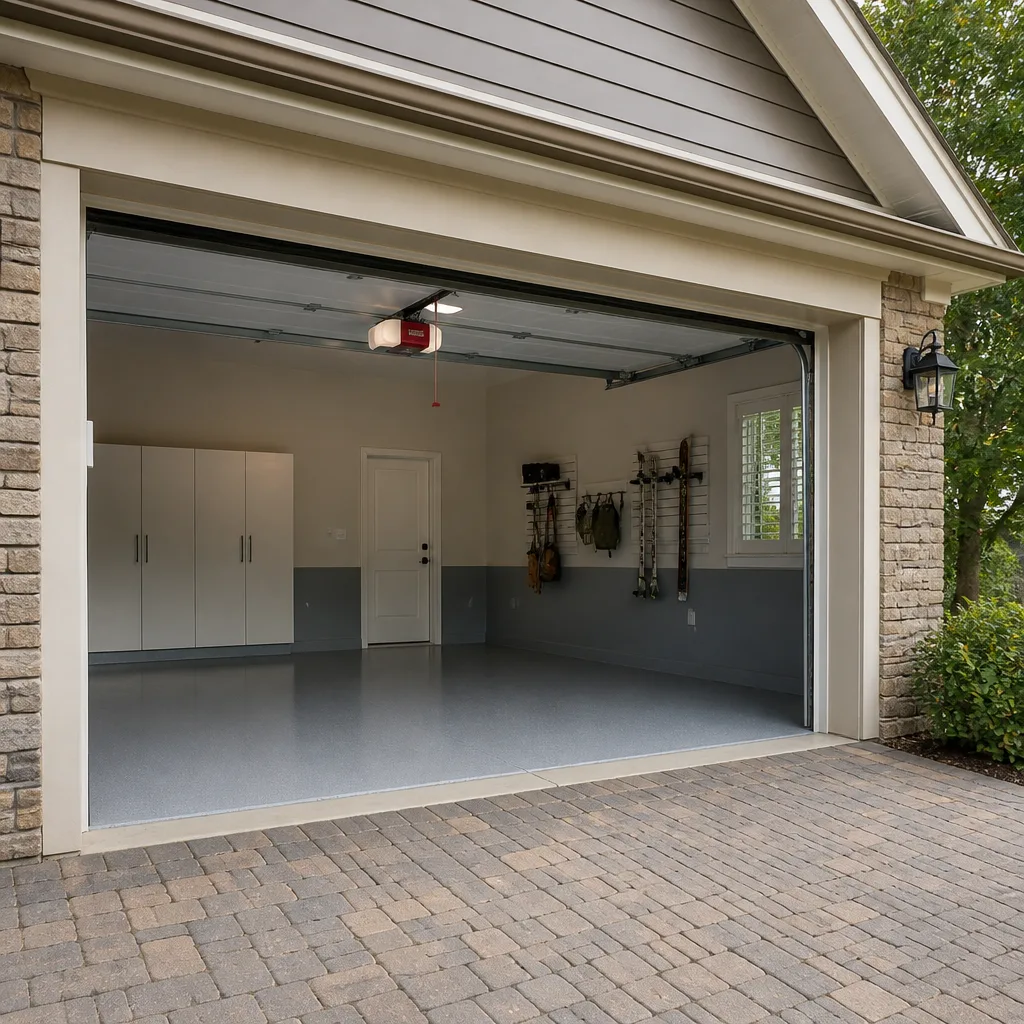 LiftMaster openers
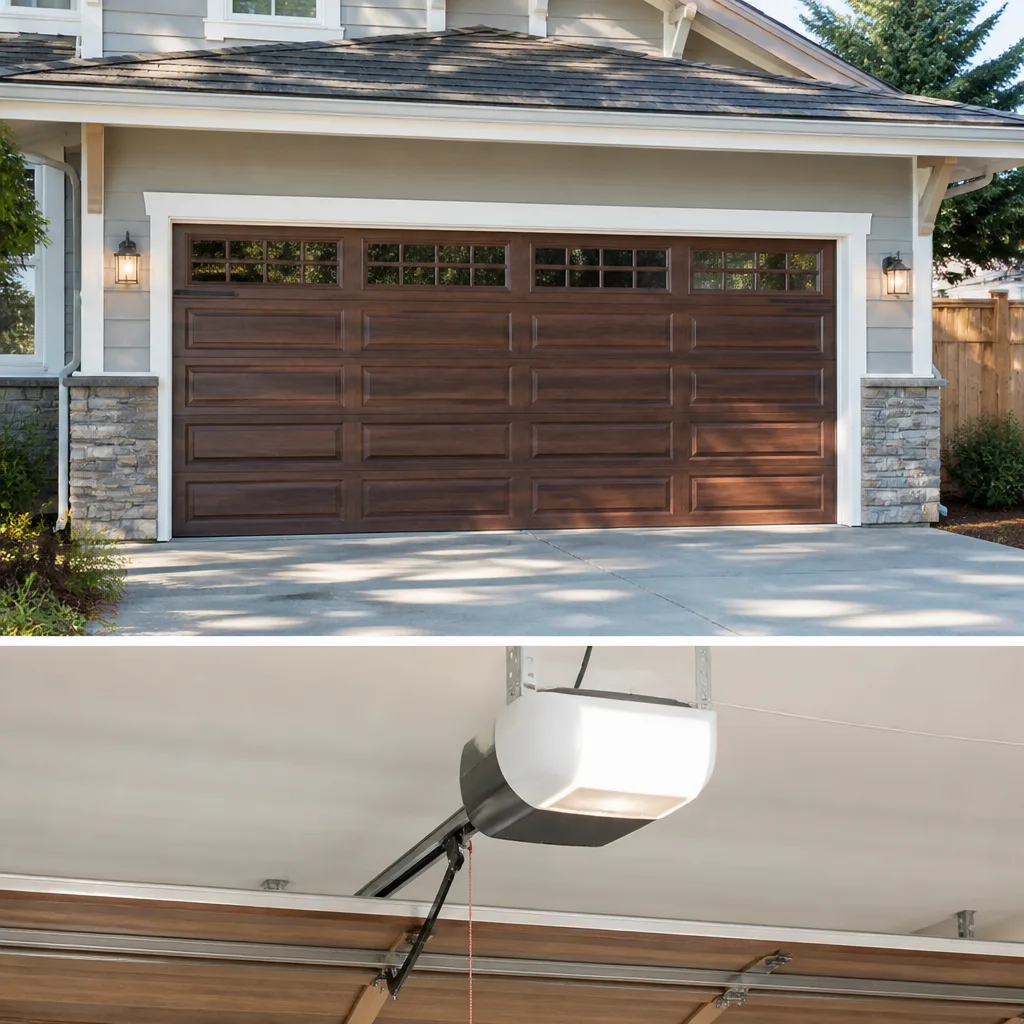 Chamberlain openers
Full 25-point door and opener safety check with every visit - springs, cables, rollers, tracks, and your LiftMaster or Chamberlain opener included
You get a price before we start. It does not change when the pro arrives.
Get your free estimateGarage Door Emergency Preparedness Guide for Fall River Homes
Most garage door emergencies in Fall River don’t start with a snap. They start with a yank. During a nor’easter, a door that has frozen to the ground will not rise when the opener pulls. Force it anyway and you can burn out the motor, strip the drive gear, and crack a panel in a single cycle. Knowing what not to do in the first minute prevents most of the secondary damage we get called out to fix. This guide covers the emergencies Fall River weather actually produces, how to respond to each, when it’s safe to move the door by hand, and what to check before winter so the phone call never happens.
Quick Answer
A garage door emergency in Fall River is handled in this order: stop pulling on the door, secure it so it can’t fall or open on its own, and then decide whether the situation is a true emergency or something that can wait for a scheduled visit. Freeze-bond, a snapped spring, and a door off track are the three failures most likely to cause injury or property damage if you keep operating the door. Call (855) 658-4171. We answer 24/7, and dispatch runs 7am to 7pm, Sunday through Friday.
Styles & brands we work with
- Raised-panel steel
- Carriage house
- Modern flush
- Full-view glass
- LiftMaster openers
- Chamberlain openers
Table of Contents
- The Five Most Common Garage Door Emergencies in Fall River
- Frozen to the Ground: The Nor’easter Failure Nobody Plans For
- Manual Release: How to Disengage the Door Safely
- What to Secure Before You Call for Service
- Is It a True Emergency? How to Decide
- Three Hardware Checks Before Storm Season
- What Happens When You Call
- Common Mistakes to Avoid
The Five Most Common Garage Door Emergencies in Fall River
Fall River sits on the eastern side of Mount Hope Bay and the Taunton River, and the weather that rolls through here is a mix of hard winter nor’easters, freeze-thaw cycles that swing across the freezing mark repeatedly, and summer thunderstorms. That pattern produces a specific set of garage door failures. Here’s what we see most often and the correct first response for each.
1. Freeze-bond
The bottom rubber seal freezes to the concrete apron overnight. The opener lifts, the door doesn’t, and the motor takes the strain. Correct response: stop, disconnect at the opener or use the manual release, and free the seal from outside with warm (not boiling) water or a plastic scraper. Never force it with the opener.
2. Broken spring
A torsion or extension spring snaps, usually with a loud bang. The door becomes extremely heavy and may drop. Correct response: don’t try to lift it, keep people and vehicles clear, and call for repair. This is a specialty repair, not a homeowner fix.
3. Door off track
The door jumps the track after a bump, a worn roller, or ice buildup. The door may hang at an angle. Correct response: don’t run the opener. Secure the door and call.
4. Power outage
Storm outages are a real part of life near the waterfront. Correct response: use the manual release cord, lift the door by hand, and re-engage only when power returns and the door is fully closed first.
5. Vehicle impact
A car or truck clips a panel in a tight driveway or during a rushed park. Correct response: make sure the door is stable, don’t cycle the opener, and call for panel and track assessment.
For the mechanical side of any of these, garage door repair covers the diagnosis and fix. For spring work specifically, see the spring section below.
Frozen to the Ground: The Nor’easter Failure Nobody Plans For
The single most common winter call we take in Fall River is a door bonded to the apron. It’s a mechanical problem created by weather, and the response is completely different from a broken part. The opener is designed to move a door, not to break a seal. When the bottom rubber freezes into the concrete or the ice that built up under the door overnight, the opener stalls, the drive gear strips, and the door can flex enough to crack a lower panel.
Here’s the sequence to avoid that:
- Don’t touch the wall button. If the door didn’t move the first time, it won’t move the second. The motor is the part at risk.
- Look at the seal from outside. A clear ice ridge across the bottom rubber tells you the problem is the bond, not the opener.
- Free the seal. Warm water poured along the bottom rubber, or a plastic scraper run carefully under the seal, releases the bond most of the time.
- Test by hand. With the door released (see the manual release section), lift a foot or so. If it moves freely, re-engage and try the opener.
- If it still won’t lift, stop. A frozen torsion spring or a broken one is a different problem. Call us.
If the opener ran before you realized the door was frozen, the motor may be fine or the gear may already be stripped. If it will not move under load but runs with a light or no load, that’s a sign of gear wear, and garage door opener repair is the right next step. A garage door spring repair call covers the spring side if you’re unsure which one you’re dealing with. Either way, don’t keep cycling the opener to “test” it.
Manual Release: How to Disengage the Door Safely
Every residential opener has a manual release, usually a red cord hanging from the trolley. Pulling it disconnects the door from the opener so you can move it by hand. It’s the single most useful piece of knowledge for a Fall River homeowner in a storm outage, and it’s also where the injuries happen when it’s done carelessly. The door is heavy, and a released door with a broken spring is heavier than you expect.
Here’s the safe way to use it:
- Close the door first if it’s safe to do so. Releasing a door that’s half-open is how doors slam.
- Stand clear of the door’s path and out from under the torsion bar (the shaft across the top).
- Pull the release cord straight down with one firm, controlled motion.
- Lift the door slowly by hand. It should feel balanced. If it feels very heavy on one side or won’t stay up, stop and call.
- Re-engage only when the door is fully closed. Pull the cord again, then run the opener through one full cycle.
When it’s dangerous to release: a door with a snapped spring, a door off track or hanging at an angle, or a door you can’t lift safely on your own. In those cases, leave it engaged and call for help. A released door that drops is a serious injury risk. Never put a hand, foot, or head under a released door.
What to Secure Before You Call for Service
The minutes between the failure and the technician’s arrival are when secondary damage happens. The right steps are simple and fast.
- Keep the door closed if you can. A closed door is a secure door. If it’s stuck open, block it from moving with a pair of locking pliers clamped on the track just below a roller, or wedge a sturdy board under the bottom section on a stable surface.
- Unplug the opener. This stops anyone (or a child, or a pet) from triggering the door while it’s damaged.
- Move vehicles and anything valuable out of the door’s travel path. A door that drops can crush a bicycle or damage a car hood.
- Photograph the damage. A quick photo of a broken spring, a bent track, or a cracked panel helps the initial phone conversation go faster.
- Clear a path to the door. The tech needs room to work and to check the opener head.
- Keep everyone clear. A door with a broken spring or off track is a hazard. No one should be standing under or beside it.
Don’t try to force a door back onto a track by hand, and don’t spray lubricant on a problem you haven’t diagnosed. Both cause more damage than they fix.
Is It a True Emergency? How to Decide
A garage door failure isn’t automatically an emergency, and calling for a same-day visit when a scheduled one would do wastes your time and money. Use this quick test.
Call for emergency service when
- The door is stuck open at night or in bad weather and can’t be secured (a security and weather exposure problem).
- A spring has snapped and the door is heavy, sagging, or won’t stay up.
- The door is off track or hanging at an angle and could fall.
- A vehicle has hit the door and it’s unstable.
- The door is stuck and a car is trapped inside, or the door is the only exit for a car that needs to move.
Safe to schedule a normal visit when
- The opener is dead but the door can be released and lifted by hand safely.
- The door is noisy, slow, or sticks but still opens and closes fully.
- A remote or keypad has stopped working but the wall button still runs the door.
- The door is closed and secure and just needs a repair appointment.
Our emergency garage door service exists for the first list. For the second, a scheduled repair during fast dispatch hours, 7am to 7pm, Sunday through Friday, is the right call. We answer the phone 24/7 regardless. A call outside dispatch hours is booked into the next opening.
Three Hardware Checks Before Storm Season
Almost every winter emergency call we take in Fall River comes down to one of three parts failing under stress that a storm puts on a door. Before the first nor’easter, run these checks.
1. The bottom seal and the apron
Inspect the rubber seal along the bottom of the door. If it’s torn, stiff, or not sealing, replace it before the ground freezes. A well-sealing bottom rubber is what keeps water from pooling under the door and freezing. Clear leaves and debris away from the apron so ice can’t build up against the seal.
2. The springs
Look at the torsion spring above the door (the coil on the shaft) or the extension springs along the top tracks, depending on your system. Rust, a visible gap in the coil, stretched extension springs, or doors that feel heavy when lifted by hand are warning signs. Springs are a specialty repair and one of the most dangerous DIY jobs in the home, so this is a check, not a repair. If your door feels heavy or won’t stay up, call for garage door spring repair before the cold sets in.
3. Rollers, hinges, and track alignment
A worn roller or a slightly bent track that squeaks in October can jump the track when a winter ice load stresses the door. Run the door by hand (released) and listen for grinding or scraping. Check that the tracks are straight and the rollers are in the groove. Most brands, from a LiftMaster system to a Raynor build, will tell you with noise and stiffness when a roller is due. Fall River Garage Door Repair Pros handles all of these checks and the repairs that follow.
What Happens When You Call
We ask a few quick questions to classify the failure and get the right technician to you with the right parts. Here’s the sequence.
- You describe the failure (frozen, snapped, off track, dead opener, vehicle impact).
- We confirm the safety steps (door down or secured, opener unplugged, no one under the door).
- We ask about the door and the system (brand if you know it, door type, opener model) so the technician arrives with the right tools. We work on LiftMaster, Chamberlain, Genie, Clopay, Amarr, Wayne Dalton, Craftsman, and Raynor systems every day.
- We schedule the visit. Fast dispatch runs 7am to 7pm, Sunday through Friday. A call outside those hours is booked into the next opening.
- We quote before we start. The written estimate sets the final price. No surprise invoice.
We answer 24/7, so you can call whenever the door fails. Call (855) 658-4171.
Common Mistakes to Avoid
- Forcing a frozen door with the opener. In a Fall River nor’easter, this is the number one cause of burned-out motors and stripped gears we see. Free the seal first.
- Lifting a door with a broken spring. The door is far heavier than it looks. Never lift, and never put anyone under a door that’s sagging or off track.
- Pulling the manual release on a door that’s half-open. Close the door first if it’s safe, then release. A slammed door breaks panels and fingers.
- Re-engaging the door mid-cycle. If the door isn’t fully closed when you reconnect, the opener can bind and damage the trolley. Close, then re-engage, then one full cycle.
- Cycling the opener to “see if it works now”. If it failed once, it will fail again and each cycle stresses the motor and spring further.
- Treating a dead opener as a door problem. A door that moves by hand but not with the opener has an opener problem, not a door problem. The diagnosis is different.
- Ignoring ice buildup under the door. Ice under the apron is what freezes the seal. Clear it before the freeze, not after.
See the difference
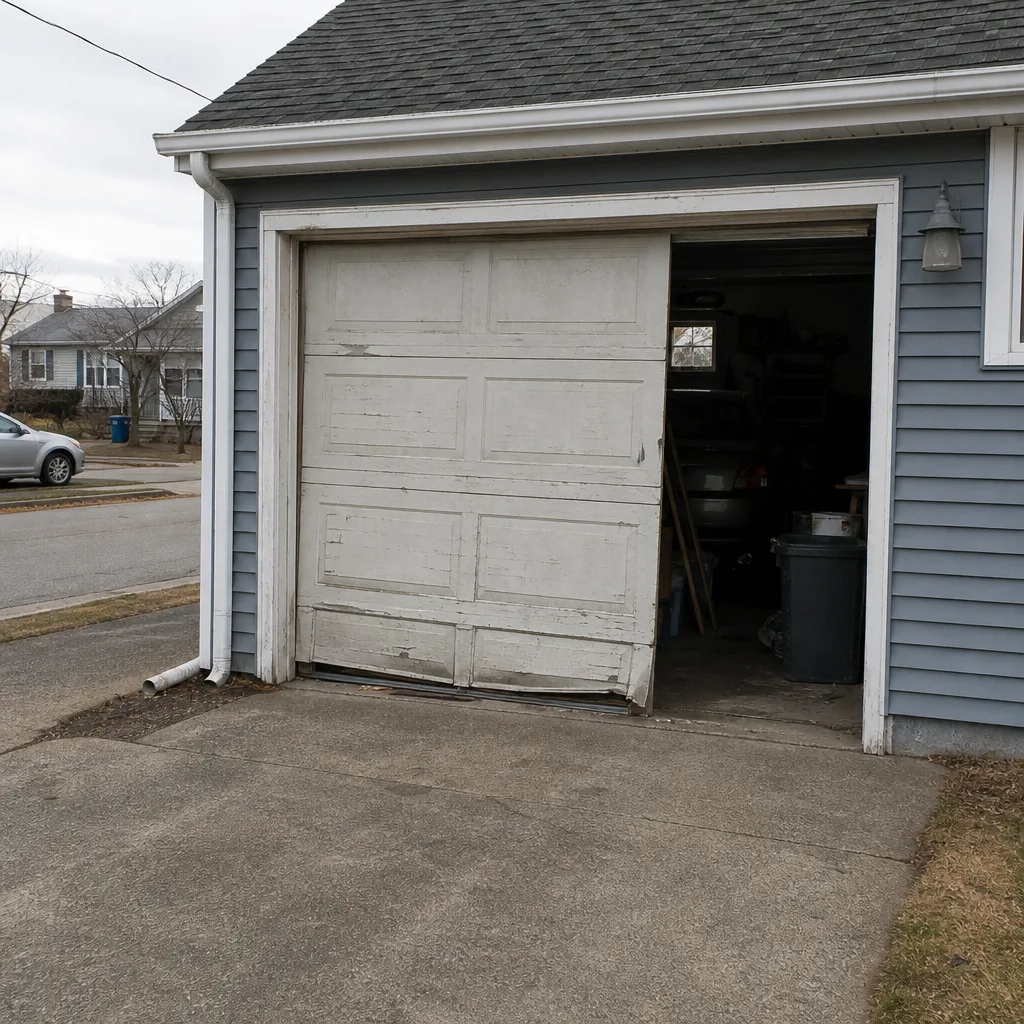 Before
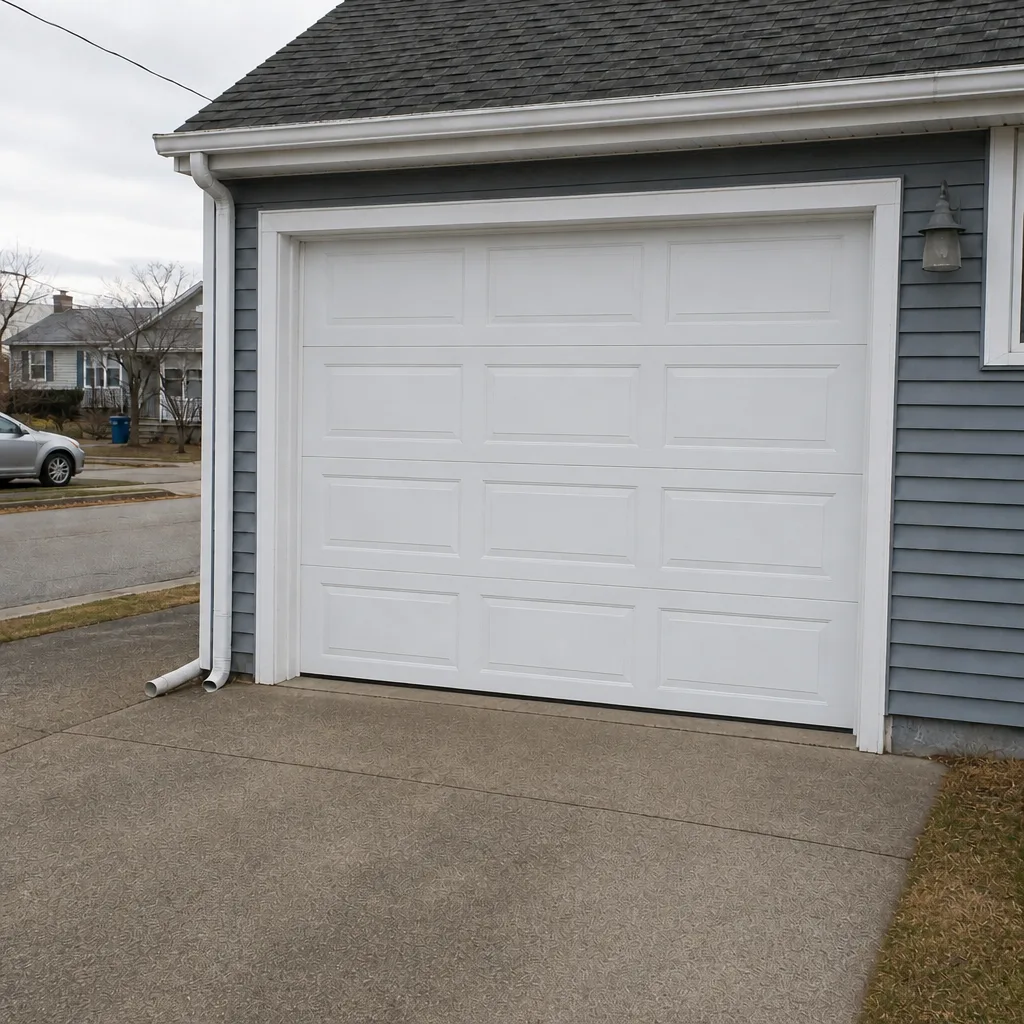 After
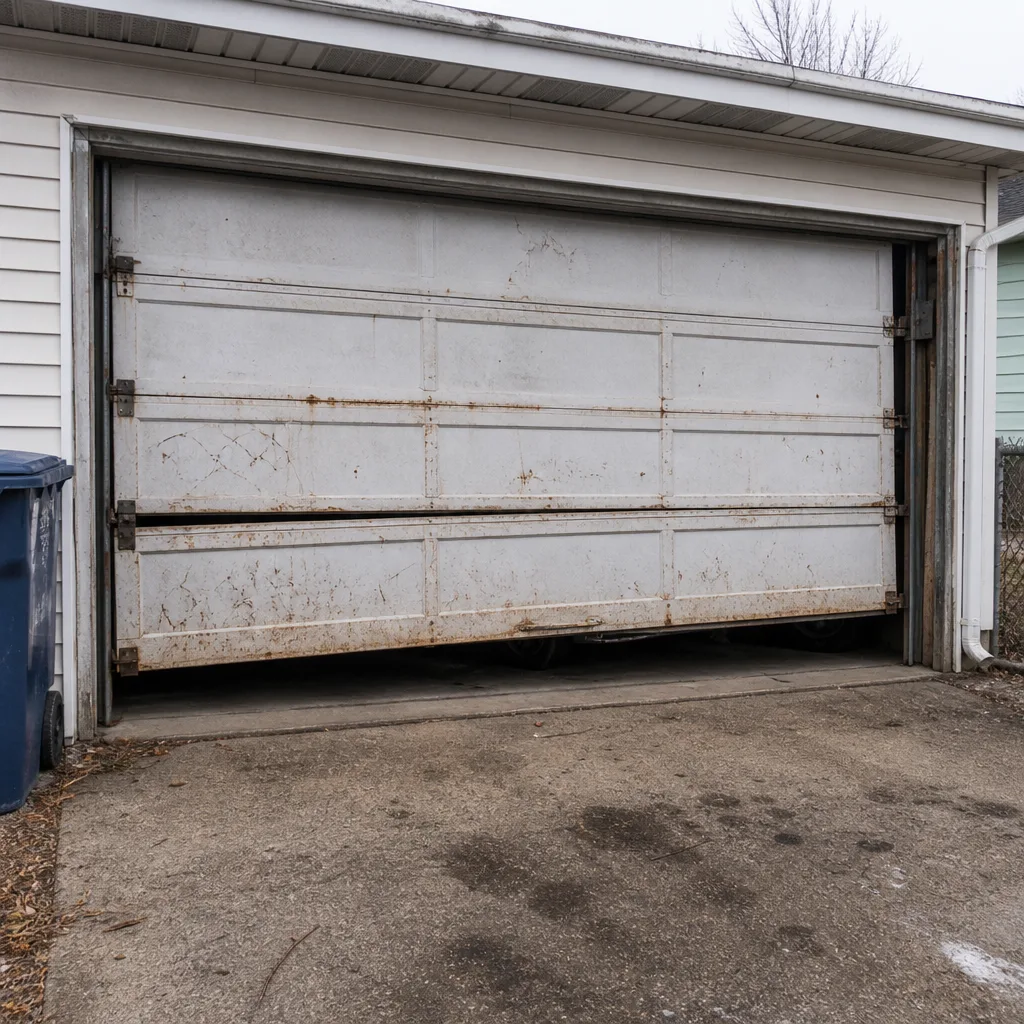 Before
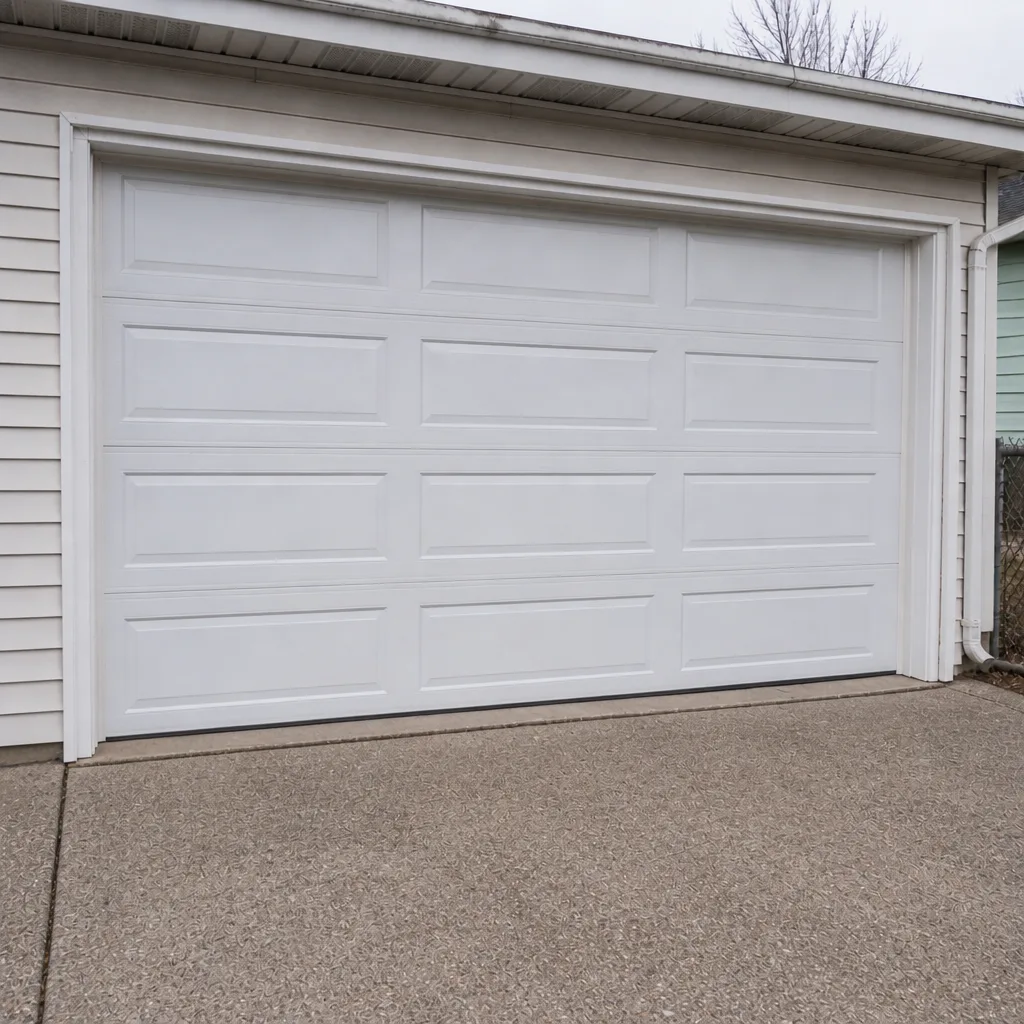 After
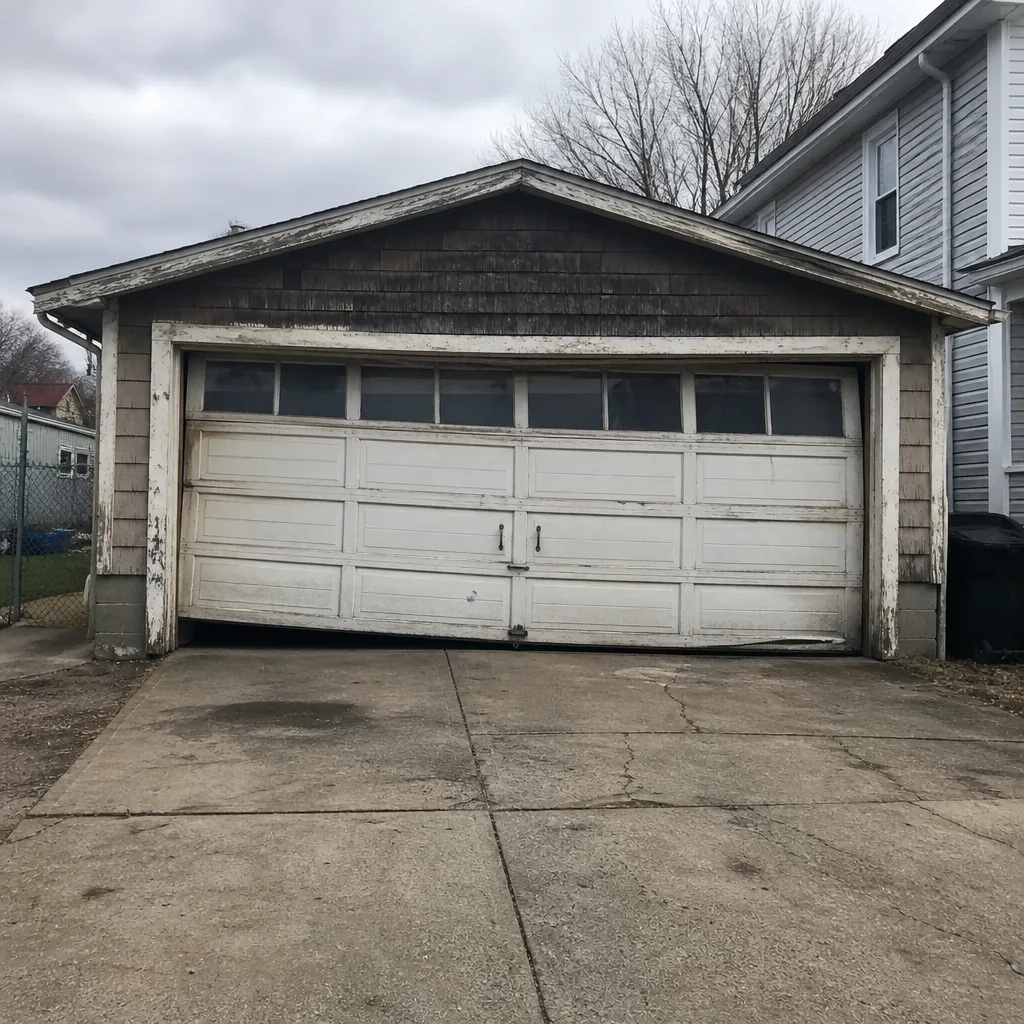 Before
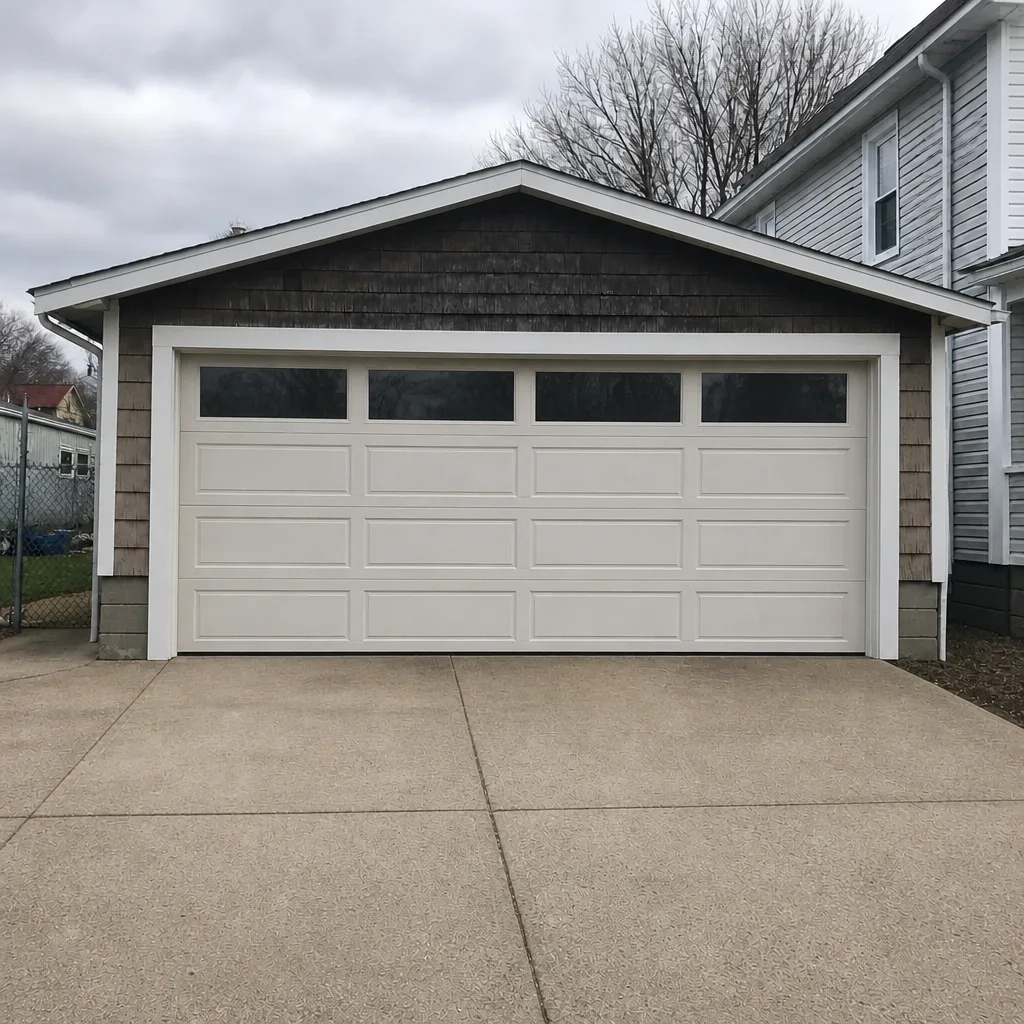 After
When to Call a Professional
Call a professional for any failure involving a spring, a track, a fall risk, or a door that won’t lift safely by hand. Springs and torsion systems are high-tension hardware with enough stored energy to cause serious injury, and door panels and tracks are easy to damage when forced. A trained technician has the right tools and the safety protocol to handle the repair without risking further damage to the door or the home. Fall River Garage Door Repair Pros offers free estimates in Fall River. Every technician works exclusively on garage doors, and our technicians have up to 12 years of experience. Call (855) 658-4171. We answer 24/7, and dispatch runs 7am to 7pm, Sunday through Friday.
Frequently Asked Questions
Don’t run the opener. Stop, disarm the motor or unplug it, and free the bottom rubber seal from outside with warm water or a plastic scraper. Once the seal releases, release the door and lift it a foot by hand to confirm it moves freely before you re-engage the opener. If the door still won’t lift, it’s a spring or track problem, not a freeze-bond, and you should call for repair. Call (855) 658-4171 for an exact quote. Estimates are free.
Yes, every residential opener has a release, but it’s only safe to use when the door is fully closed and you can lift it safely by hand. Never release a door with a broken spring, a door off track, or a door hanging at an angle; it can drop and cause serious injury. When in doubt, leave it engaged and call. Call (855) 658-4171 for an exact quote. Estimates are free.
The price is set per job by the written estimate, not by a flat emergency rate, and we quote before any work starts. Spring repair, opener repair, track work, and panel replacement each fall into a different range, and the estimate you get reflects the actual failure on your door. Pricing is confirmed in person before the technician begins work, so the invoice matches the quote. Call (855) 658-4171 for an exact quote. Estimates are free.
No. The written estimate is the price, and it’s agreed before any work starts. If the diagnosis turns up something that requires a different fix, the technician explains the change and gets your approval before picking up a tool. That’s why we don’t quote over the phone as a firm number; we quote in writing on-site.
The local pros we connect you with are licensed and insured to the standard their state requires, and every technician works only on garage doors. That single-trade focus is why a spring diagnosis, an opener fault, and a track misalignment get the right fix on the first visit rather than a trial-and-error repair. Call (855) 658-4171 to confirm coverage for your job. Call (855) 658-4171 for an exact quote. Estimates are free.
If it’s a true emergency, yes, we dispatch same-day during fast dispatch hours, 7am to 7pm, Sunday through Friday. Same-day is for emergencies and repair work; a new door installation is measured and scheduled instead. Call (855) 658-4171. We answer 24/7. Fast dispatch from 7am to 7pm, Sunday through Friday. If a call comes in outside those hours, we book it into the next opening.
The Bottom Line
Garage door emergencies in Fall River come from Fall River weather: freeze-bond, storms, and the strain those put on springs, tracks, and openers. The first minute matters most. Don’t force a stuck door, don’t lift a door with a broken spring, and don’t release a door you can’t lift safely. Secure the door, unplug the opener, and decide whether it’s a true emergency or something that can wait. Then call. We work on LiftMaster, Chamberlain, Genie, Clopay, Amarr, Wayne Dalton, Craftsman, and Raynor systems every day, and our technicians have up to 12 years of experience. New to the trade? Start with Fall River Garage Door Repair Pros for the full picture of what we handle, or call (855) 658-4171 for a free estimate. We answer 24/7. Fast dispatch from 7am to 7pm, Sunday through Friday.
Written by the team at Fall River Garage Door Repair Pros.