
Last updated November 22, 2026
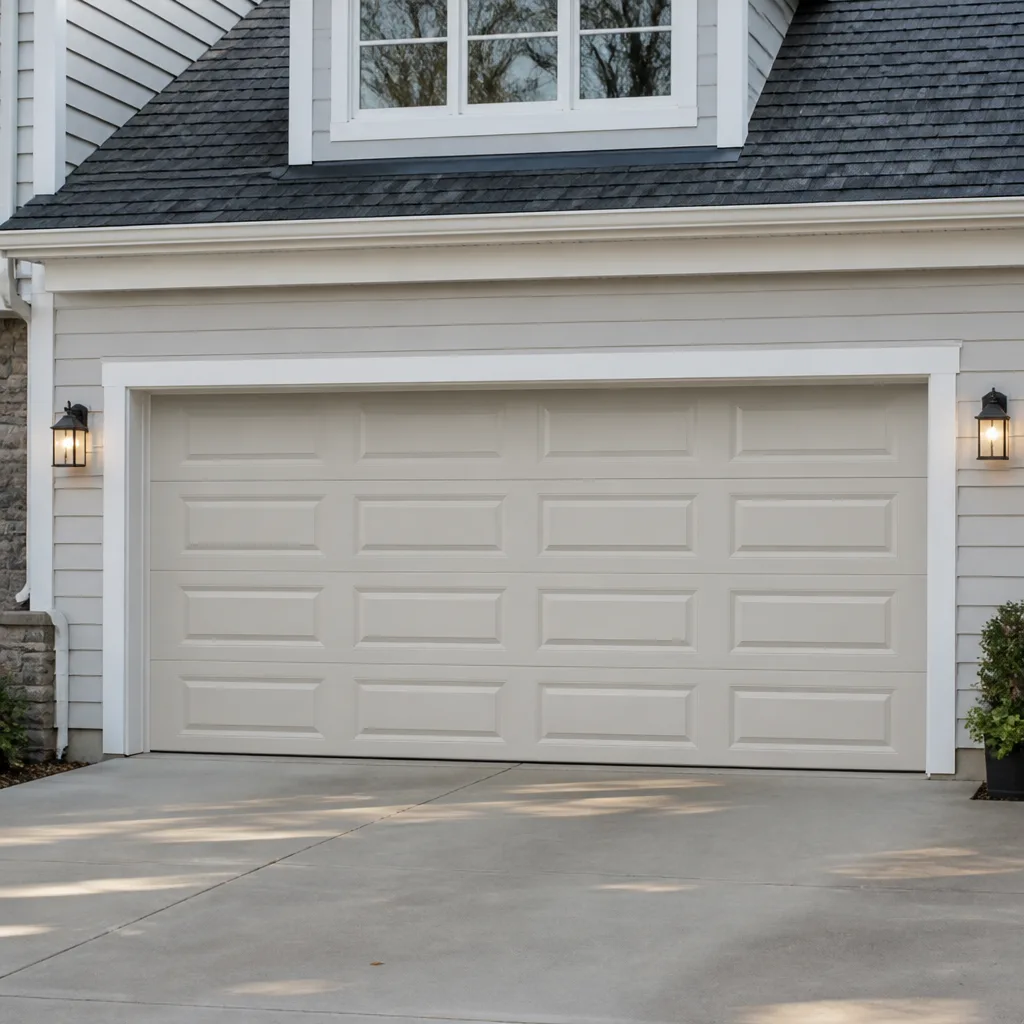 Raised-panel steel
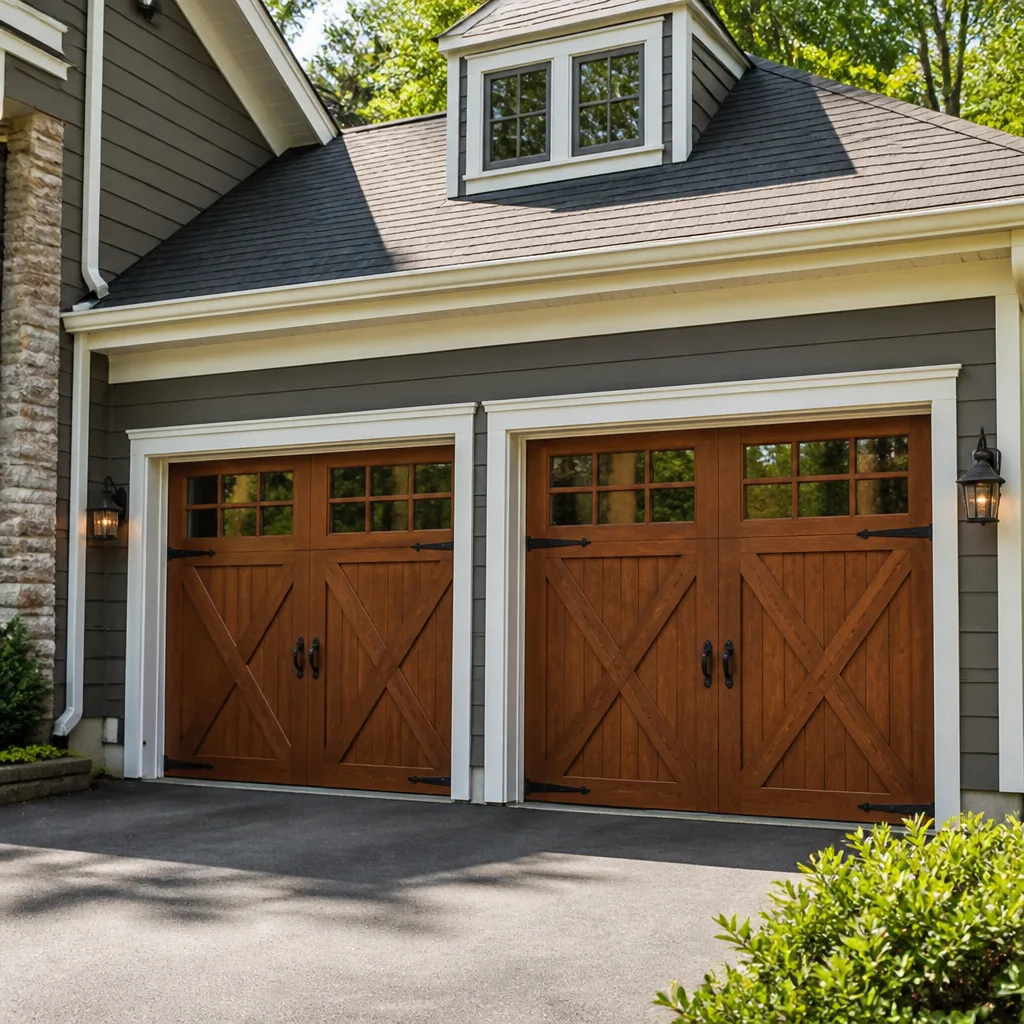 Carriage house
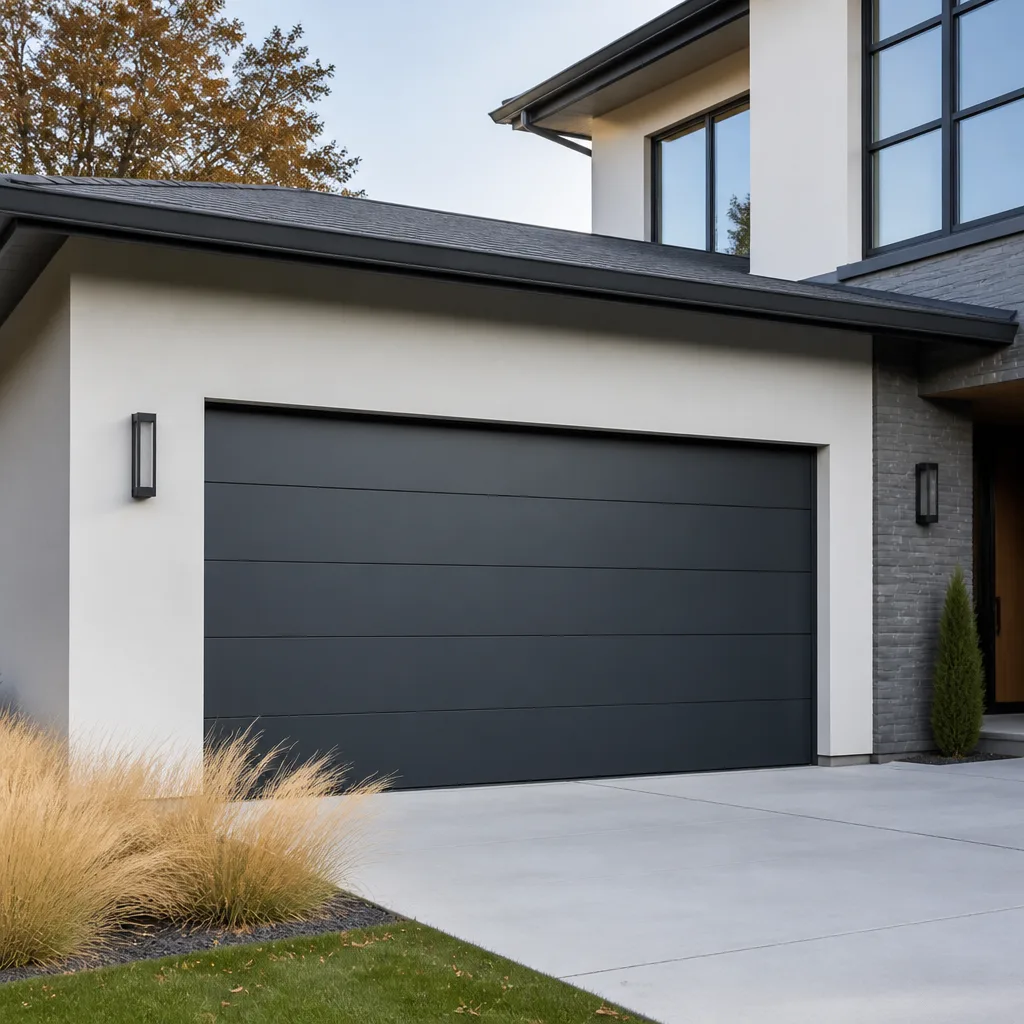 Modern flush
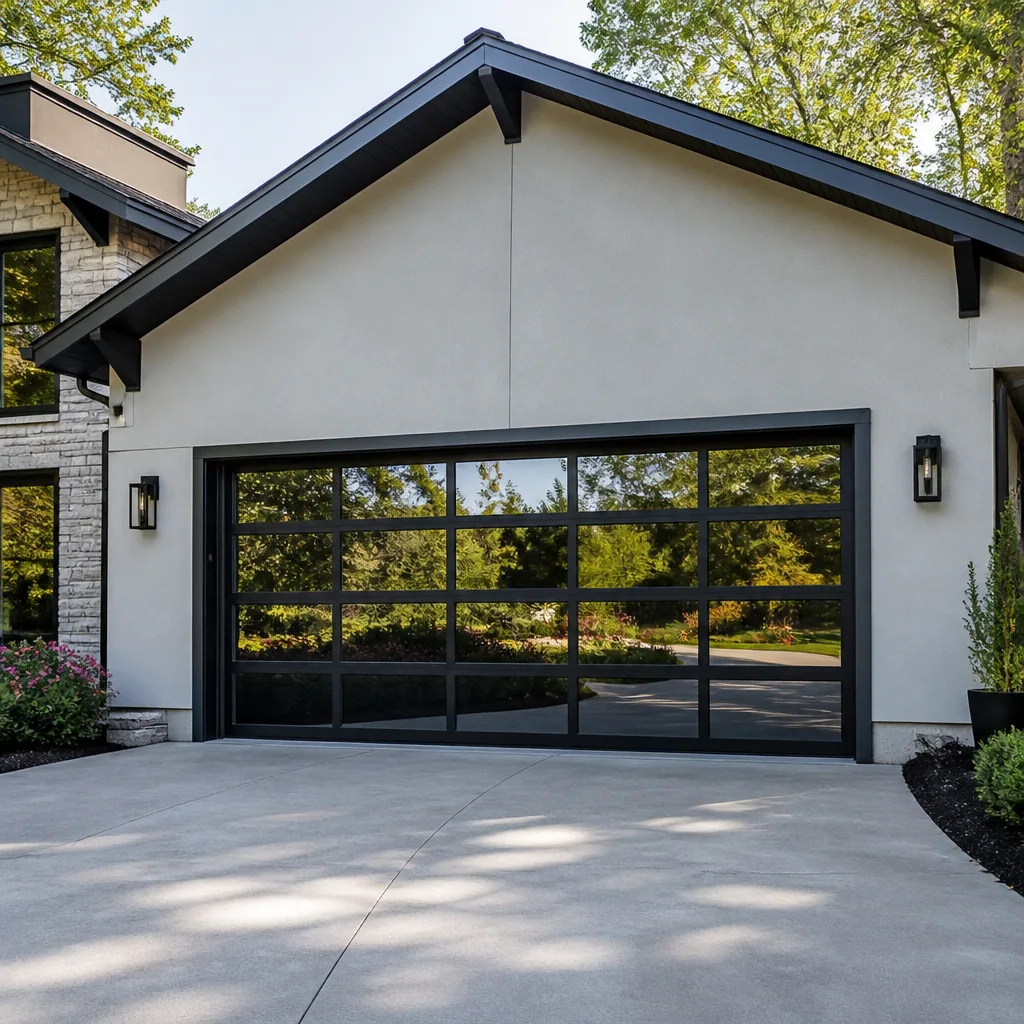 Full-view glass
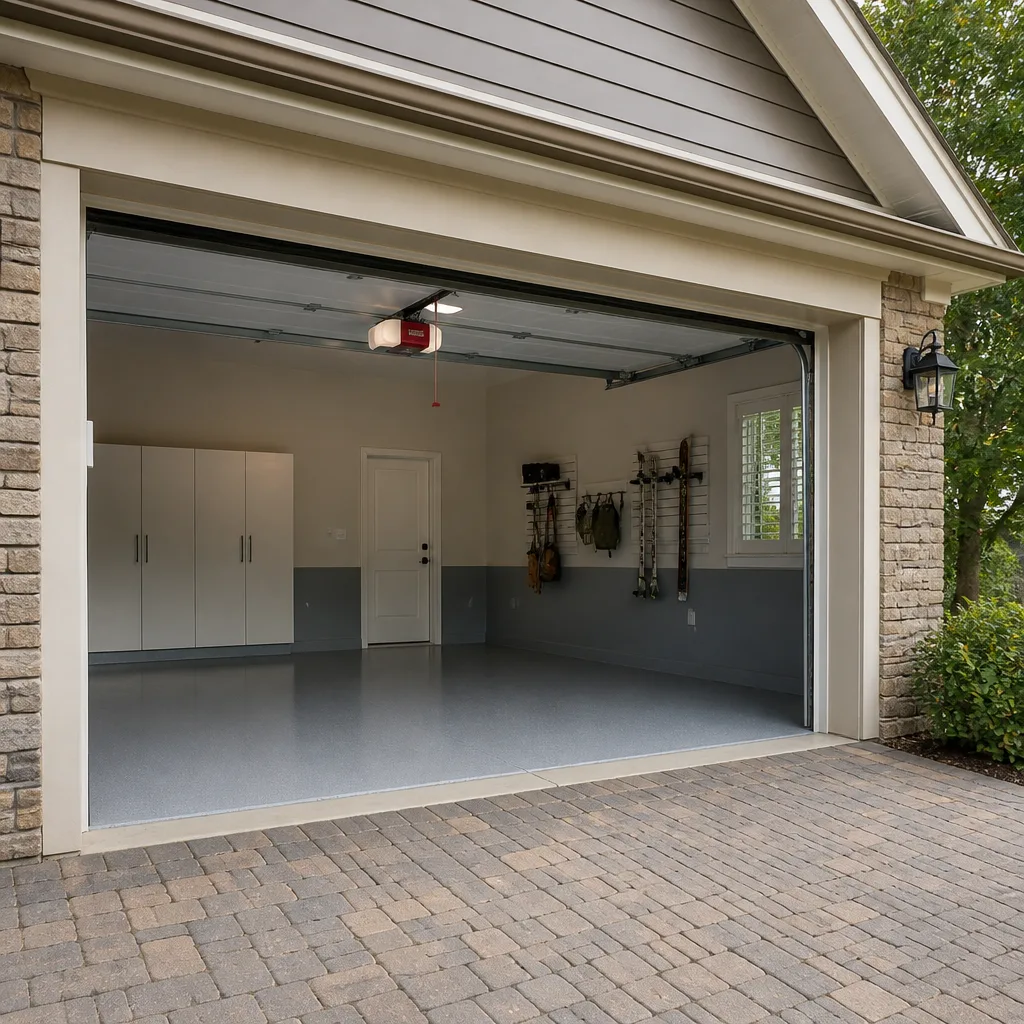 LiftMaster openers
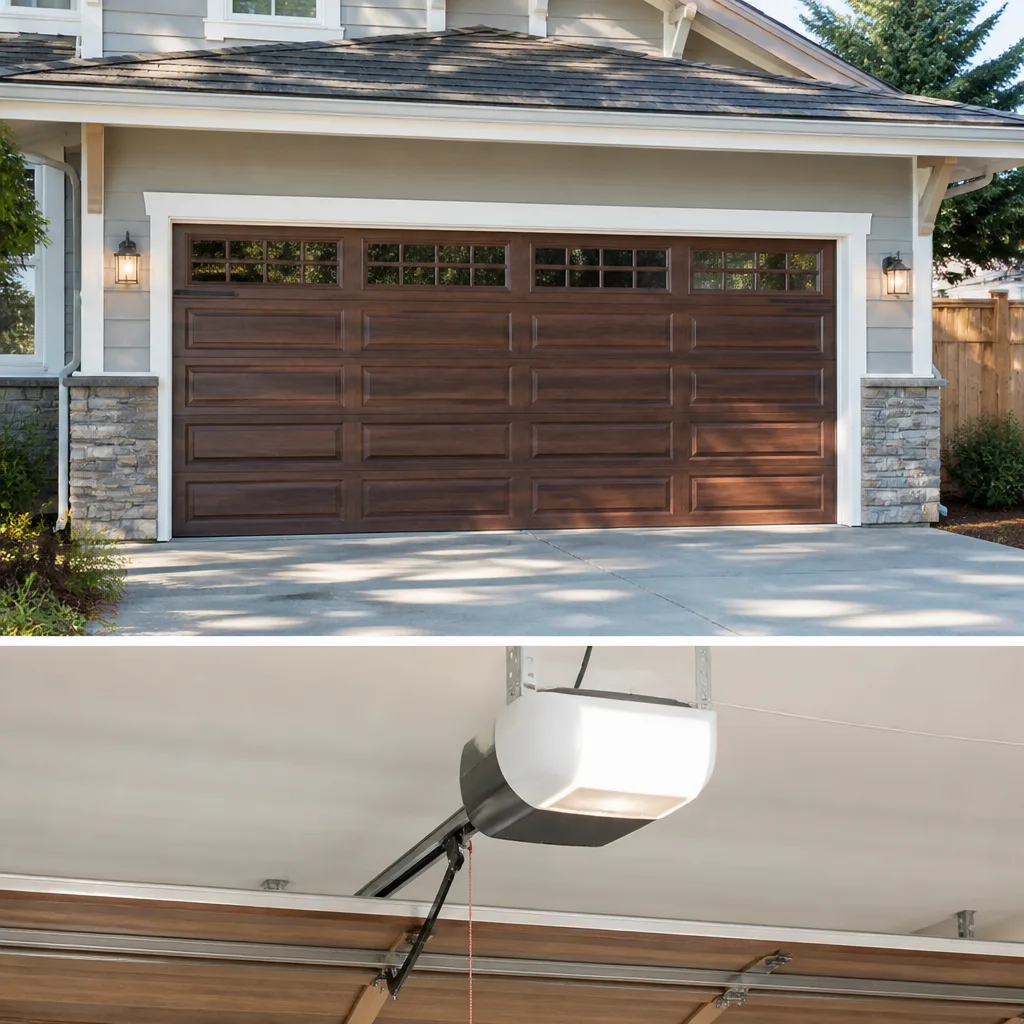 Chamberlain openers
Full 25-point door and opener safety check with every visit - springs, cables, rollers, tracks, and your LiftMaster or Chamberlain opener included
You get a price before we start. It does not change when the pro arrives.
Get your free estimateThe Complete Guide to Garage Doors in Fall River
Most garage door guides are written for a suburb in Ohio. Flat lots, mild swings in temperature, slabs poured to one predictable spec. Fall River doesn’t work that way. The city’s housing stock is built on triple-decker footprints and mill-era lots, the air sits heavy with moisture off the Taunton River and Mount Hope Bay, and winter-to-summer humidity swings work on springs and steel in a way that a western Massachusetts guide never has to account for. What breaks here, and why, is specific. This guide is built around those patterns: what actually fails on a Fall River garage door, what materials survive the freeze-thaw cycle, how older garages handle modern openers, and when a refurbishment makes more sense than a full replacement. Two thousand words in, you’ll know more about your door than most people selling you one.
Quick Answer
Garage doors fail in Fall River for three main reasons: corrosion accelerated by river and bay humidity, frost heave cracking older concrete slabs and throwing doors out of level, and undersized or mismatched springs in triple-decker and mill-era garages that never accounted for a modern door’s weight. The right fix depends on which of those three you’re facing. A trained garage door technician can diagnose all of them in one visit and give you a written price before any work begins. Call (855) 658-4171 for a free estimate. We answer 24/7. Fast dispatch from 7am to 7pm, Sunday through Friday.
Styles & brands we work with
- Raised-panel steel
- Carriage house
- Modern flush
- Full-view glass
- LiftMaster openers
- Chamberlain openers
Table of Contents
- Why Fall River Garage Doors Fail Differently
- Spring and Track Corrosion: What Humid Air Does to Steel
- Triple-Decker and Mill-Era Clearance: The Hidden Constraint
- Which Door Materials Hold Up in Fall River
- Full Replacement vs. Full Refurbishment: When Each Makes Sense
- Openers, Remotes, and Wiring in Older Fall River Garages
- Permits and Inspection Triggers in Fall River and Bristol County
- Seasonal Maintenance for the Fall River Climate
Why Fall River Garage Doors Fail Differently
Garage doors are the largest moving part of a home. That’s true everywhere, but in Fall River the moving parts live in a harsher operating envelope than most of the country. The city sits in a river valley that funnels moisture through dense, closely-built neighborhoods, and the temperature swings hard enough between summer and winter that every component of a door expands, contracts, and settles twice a year.
Here’s what that means in practice:
- Humid air works on steel continuously. Raw steel spring wires, track sections, hinges, and roller stems rust from the inside out. A door that looks fine from the driveway can have a torsion spring with visible pitting along the wire, which is exactly where cracks start.
- Freeze-thaw cracks older concrete. A slab that was poured decades ago and never re-poured takes frost heave in a bad winter. When the slab lifts or cracks, the door’s track no longer sits plumb, the panels bind, and the opener strains against a door that can’t slide cleanly.
- Dense neighborhoods limit air movement. A door on a tight triple-decker lot with a fence on one side doesn’t dry out the way one on an open lot does. Steel with less airflow to dry it corrodes faster.
- Salt from winter road treatment gets tracked onto the door. That’s the salt that matters here, not any claim about air. It works its way into hinges, bottom brackets, and the bottom panel’s weather seal.
None of this is a reason to panic about your door. It’s a reason to look at it once or twice a year, and to understand why a repair that lasts for twenty years in a dry climate may need attention sooner in Fall River. When you’re ready for a repair, we can take a look; our garage door repair team works on doors across the city and knows what a Fall River door’s typical wear looks like.
Spring and Track Corrosion: What Humid Air Does to Steel
Torsion and extension springs do the actual heavy lifting on a garage door. The opener only guides the door; the springs carry the weight. If a spring fails, that weight comes down.” One failed spring can drop a door hard enough to damage panels and track, and if you’re underneath, it’s genuinely dangerous. That’s the safety reason no homeowner should ever attempt a spring swap.
In Fall River’s humidity, springs tend to fail in one of two visible ways:
- Corrosion pitting along the wire. Spring wire fatigues under load every single day. When rust pits the surface, those pits become stress risers, and the spring snaps there rather than breaking cleanly.
- Relaxation. Repeated load cycles plus temperature swings soften the spring over time. The door gets heavier to open, the opener works harder, and the spring is more likely to break under a sudden load.
Extension springs on older doors are a separate story. Many still have no containment cable. If one breaks, it flies.
Track corrosion is subtler. A track with rusted rollers or a hairline bend that was never straightened will drag, and the opener will work against that drag until it fails or the door jumps the track.
Here’s how diagnosing a spring problem usually goes:
- A technician checks the door’s balance with the door in the halfway position and the opener disengaged.
- Spring wire is inspected for pitting, corrosion, and any visible cracks.
- Rollers, hinges, and tracks are checked for wear and alignment.
- Spring size is measured against the door’s actual weight and width.
- Any replacement is quoted before installation, with the technician explaining what’s being replaced and why.
We don’t recommend anyone trying a spring replacement at home. The stored energy in a wound torsion spring is enormous, and the wrong tools or a slip can cause serious injury. Our garage door spring repair team handles both torsion and extension springs using the proper winding bars, safety protocols, and matched spring sizes. If a spring has already snapped, don’t run the opener. Get a technician out. Call (855) 658-4171. We answer 24/7. Fast dispatch from 7am to 7pm, Sunday through Friday.
Triple-Decker and Mill-Era Clearance: The Hidden Constraint
The Fall River housing stock is full of three-story wood-frame buildings with garages that were never originally designed for a modern sectional door. Many were built for a swing-out carriage door, a side-hinged opening, or a simple sliding gate. That single fact drives a lot of the surprises homeowners hit when they try to replace a door or upgrade an opener.
Common clearance issues in Fall River:
- Low headroom. A torsion spring needs room above the door; an extension spring needs room in front of the track. Older garages often have less than a modern standard section door needs. The fix is a low-headroom kit or a different spring type, not a compromise on safety.
- Narrow side clearance. Mill-era lots were laid out tight. A door panel that fits the opening may not clear the tracks or the framing when the door is up.
- Odd opening sizes. A non-standard width or height means a custom door, and a custom door means careful measuring and a longer order time. Get that measure done before you commit.
- Slab height versus opening height. If the concrete slab is uneven or has risen slightly, the door may not close without scraping. This has to be fixed before a new door is installed.
So the first step on any triple-decker or older garage project is a proper measure, not a catalog browse.” The right door for a Fall River mill-era garage is chosen after the technician has seen the actual opening, the track arrangement, and the available headroom. Get the measure right and everything that follows is straightforward. Get it wrong and you’re back to square one with a door that doesn’t fit.
This is where our single-trade focus pays off. Every technician on the job is a garage door specialist, not a contractor with a door as one item on a longer menu. That’s the fastest way to catch these clearance issues before the door is ordered.
Which Door Materials Hold Up in Fall River
The material question isn’t just about appearance. In Fall River’s humidity and freeze-thaw cycle, it’s mostly about how each material handles moisture and temperature over a decade or two of daily use.
- Steel. The most common door material and, in Fall River, the most sensitive to corrosion. Modern steel doors come with hot-dipped galvanized steel and factory-baked polyester finishes that extend their life, but the bottom panel, hinges, and rollers take the most direct moisture. Steel is a fine choice if you wash the bottom panel and hinges twice a year.
- Aluminum. Light and rust-resistant, so it handles humid air better than steel. Aluminum can dent more easily though, and light-gauge aluminum in a door on a tight Fall River lot can look battered after a few years.
- Wood. Great for mill-era and historic homes, and common on triple-deckers that need to match original trim. The catch is that wood swells and contracts with every humidity swing, so it needs paint or sealer every few years without exception.
- Composite and wood-toned steel. A solid option for homeowners who want the historic look of wood with less upkeep. Many composite doors use a steel or aluminum frame with decorative faces that mimic wood grain.
- Fiberglass. Decent moisture resistance but heavier than aluminum, so it needs a stronger spring and a stronger opener. Not always the right choice for triple-decker garages with limited headroom.
Here’s the simple version: if corrosion is your worry, aluminum or composite beats raw steel. If historic appearance is the priority, wood or wood-toned steel get you there with a maintenance schedule. And whichever material you choose, the bottom panel matters most. It’s the panel that sits closest to the wet concrete and takes the most splashing from rain and snow melt.
We install doors from Clopay, Amarr, Wayne Dalton, Raynor, and other major manufacturers. If you’ve got a door in mind, we can measure, quote, and order. If you’re not sure where to start, the technician will bring manufacturer literature to the measure so you’re comparing real options, not a vague price range.
Full Replacement vs. Full Refurbishment: When Each Makes Sense
This is the question where homeowners most often overspend in one direction or the other. In Fall River’s market, a full refurbishment is the right call more often than people think. Here’s how to tell them apart.
Refurbishment makes sense when:
- The door panels are structurally intact – no cracked sections, no rotting frame, no rust perforation.
- The tracks are straight and level. If they’re only slightly out of alignment, they can be adjusted.
- The springs, rollers, hinges, and opener are what’s failing, not the door itself.
- The opening size is standard and the door fits it cleanly.
- You want the same look but want it working like new.
Replacement makes sense when:
- Panels are cracked, delaminating, or take water into the core.
- The door has jumped the track hard enough to bend both sections and tracks.
- The door is a weight or style that modern springs and openers weren’t built to carry safely.
- The frame has rot or the concrete slab under the door has heaved enough that a new door can’t be fit without repairs to the opening.
- You plan to be in the home for years and want a modern insulated door that holds heat.
The cost difference isn’t small, and the honest answer is: don’t assume replacement is the only path until a technician has looked at the door. A refurbishment on a sound door can keep it running for years and defer the bigger spend. And when replacement is the right call, the estimate should show the door cost, the installation, and any slab or frame repair, itemized.
For a proper assessment before you decide, call (855) 658-4171. We answer 24/7. Fast dispatch from 7am to 7pm, Sunday through Friday. The written estimate is free and there’s no obligation to proceed.
Openers, Remotes, and Wiring in Older Fall River Garages
Openers in Fall River garages fall into two categories: modern units that work fine but need attention, and older units that should probably be retired. Both come up on triple-deckers and mill-era properties because opener wiring in those garages is often as old as the door.
What we run into most:
- Dead opener with a live remote. Often a safety sensor is blocked by a damaged bottom seal, or the sensor bracket has been knocked out of alignment.
- Opener that reverses on the way down. Usually a sensor misalignment or a misadjusted travel limit, not a dead motor.
- Opener that hums but doesn’t move. A stripped gear or a failed capacitor, or a door that’s bound up on a bent track.
- Noisy opener in an old building. Older openers lack the DC motors and belt-drives of modern units, so the noise travels through the wood frame of a triple-decker into the living space.
- Remote that works from the car but not the kitchen. On dense Fall River lots, WiFi interference and older remotes across buildings can fight each other. A modern rolling-code or MyQ system resolves this.
If a diagnostic visit finds the opener is fine and the real problem is the door or the springs, we say so. We’ve been called to more than a few openers that only needed a track adjustment or a sensor realignment. Our garage door opener repair covers the major brands – LiftMaster, Chamberlain, Genie, Craftsman, and more – and if the honest answer is a new opener, the technician will explain why. Older Craftsman and Genie units in particular are worth a diagnosis before a swap, since a service call is often cheaper than a full replacement.
One wiring safety note for Fall River’s older garages: opener wiring in a building that predates modern code can be undersized or ungrounded. That’s a job for an electrician, not a garage door technician, and we’ll flag it so it gets fixed before anyone works on the opener itself.
Permits and Inspection Triggers in Fall River and Bristol County
Not every garage door job needs a permit. Replacing a spring, an opener, or a set of rollers is a repair and doesn’t typically trigger permitting. Full door replacement, however, is where Fall River homeowners should ask questions before work begins. The answer depends on the scope of the work and the specifics of your property, and the safest way to know for sure is to call the Fall River building department and ask.
Jobs that commonly warrant a call to the city:
- Replacing a door in a garage attached to a residential structure. Structural changes and additions may require review, and that varies by property.
- Changing the opening size. Widening, raising, or altering the opening is a structural change, not a repair.
- Rebuilding the slab or the frame under or around the door.
- Changing the door in a garage that’s part of a historic property or in a designated historic district. Bristol County has historic-district rules that can affect door style and color.
- Electrical work for a new opener or new opener circuit. Usually handled by an electrician under a separate permit, but worth confirming with the city.
The garage door company isn’t the authority on city permits – the Fall River building department is. But a specialist who’s done this work across Fall River knows which jobs catch attention and can point you to the right question before you spend money. If you’re not sure whether your job needs a permit, call the building department first and ask about the specific change you’re making.
One Fall River-specific wrinkle: triple-deckers and mill-era buildings sometimes sit in zones where the local review process is stricter than standard residential. If your property is in a historic district or has protected status, ask about it before ordering a door. A door that gets rejected at inspection means a second purchase and installation.
If you need the city’s guidance, we can walk you through the questions to ask; the answers will still come from the city. Call (855) 658-4171 with your address and the scope of the job you’re considering. We answer 24/7. Fast dispatch from 7am to 7pm, Sunday through Friday.
Seasonal Maintenance for the Fall River Climate
A garage door in Fall River needs two check-ins a year at minimum, and the calendar matters as much as the checklist. Here’s the routine we’d suggest for any Fall River homeowner:
Spring check-in (right after winter):
- Wash the bottom panel and the bottom seal to remove road salt and grit.
- Lubricate hinges, rollers, and pivot points with a garage door lubricant (not standard WD-40, which attracts dust).
- Check the balance of the door with the opener disengaged. If the door won’t hold in the halfway position, springs are suspect.
- Look at the slab under the door. Cracks or lift from frost heave may need repair before the door’s swing is affected.
- Look at spring wire for any pitting or rust. If you see it, get it evaluated.
Fall check-in (before winter):
- Test the safety sensors with the door in motion in both directions.
- Check the door seal along the sides and bottom for drafts and gaps.
- Check the opener’s auto-reverse feature and any force limit settings (the manufacturer’s manual explains the process).
- Clear leaves and debris out of the tracks, especially on lots with trees close to the driveway.
- If the door is wood, inspect and touch up the paint or sealer before the wet season.
For any repair question between the two check-ins, the garage door opener repair page and the garage door spring repair page break down what to watch for on each component, and the Fall River Garage Door Repair Pros homepage gives you a single place to call.
Common Mistakes to Avoid
- Running the opener after a spring snaps. The opener works on a door that has springs. Without them, it strains, burns out, and may drop the door. Stop using the opener until a technician has assessed the spring.
- Assuming a slow-moving door is a dead opener. In Fall River’s humidity, a corroded track or bound roller is often the real culprit. Diagnose before replacing.
- Choosing a door material for looks only. In Fall River, a wood door on a triple-decker with tight clearances and a heavy daily use pattern needs more care than a steel or aluminum door would. Pick the material the environment can support.
- Guessing the door size for a replacement. Mill-era openings are often non-standard. A custom door is measured first, then ordered. Never assume a catalog size fits.
- Skipping the permit question on a full replacement. Fall River and Bristol County have permit and historic-district rules that homeowners sometimes learn about after the door is ordered. Ask the city before you buy.
- Leaving a bottom seal torn for months. Water gets into the bottom panel and slab. That’s exactly where corrosion starts on a Fall River door.
- Trying to wind a torsion spring yourself. There’s no safe way to wind a torsion spring at home. A professional spring repair call is cheap next to an injury.
See the difference
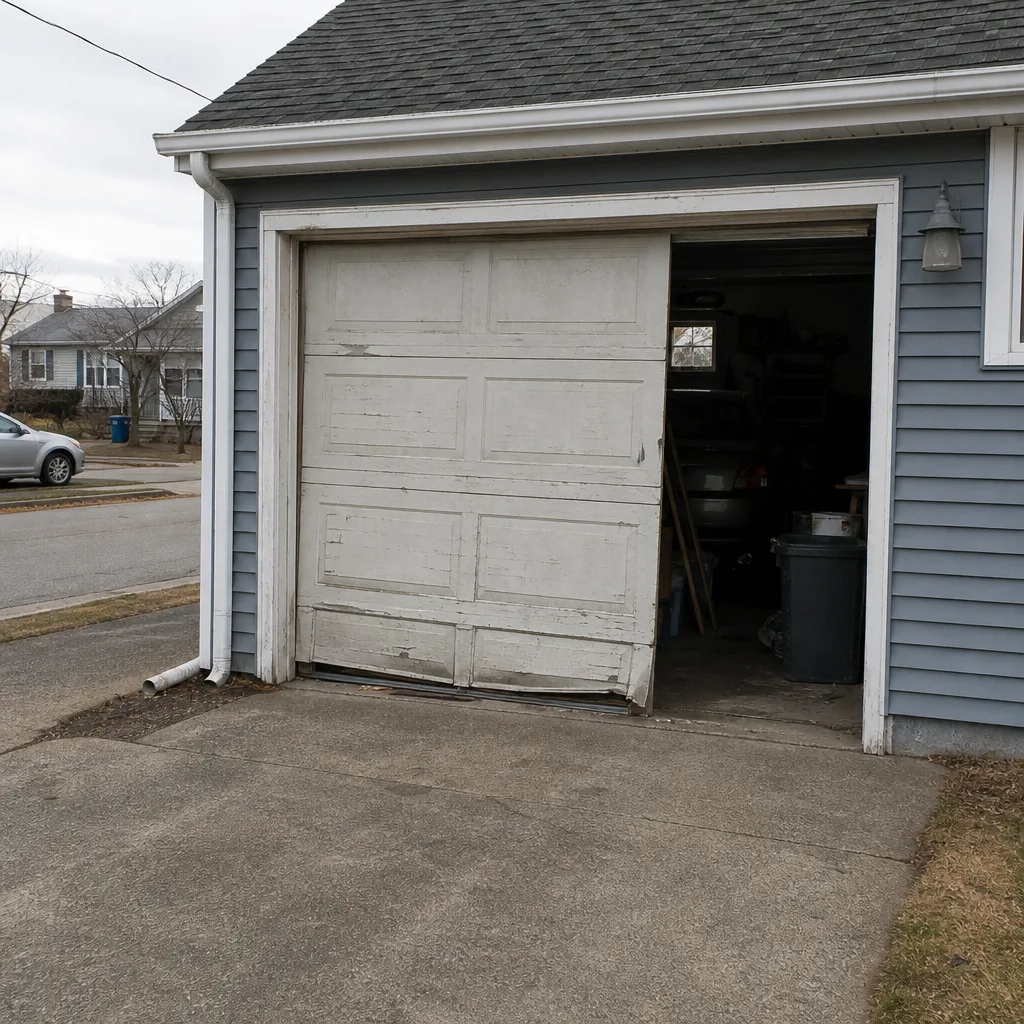 Before
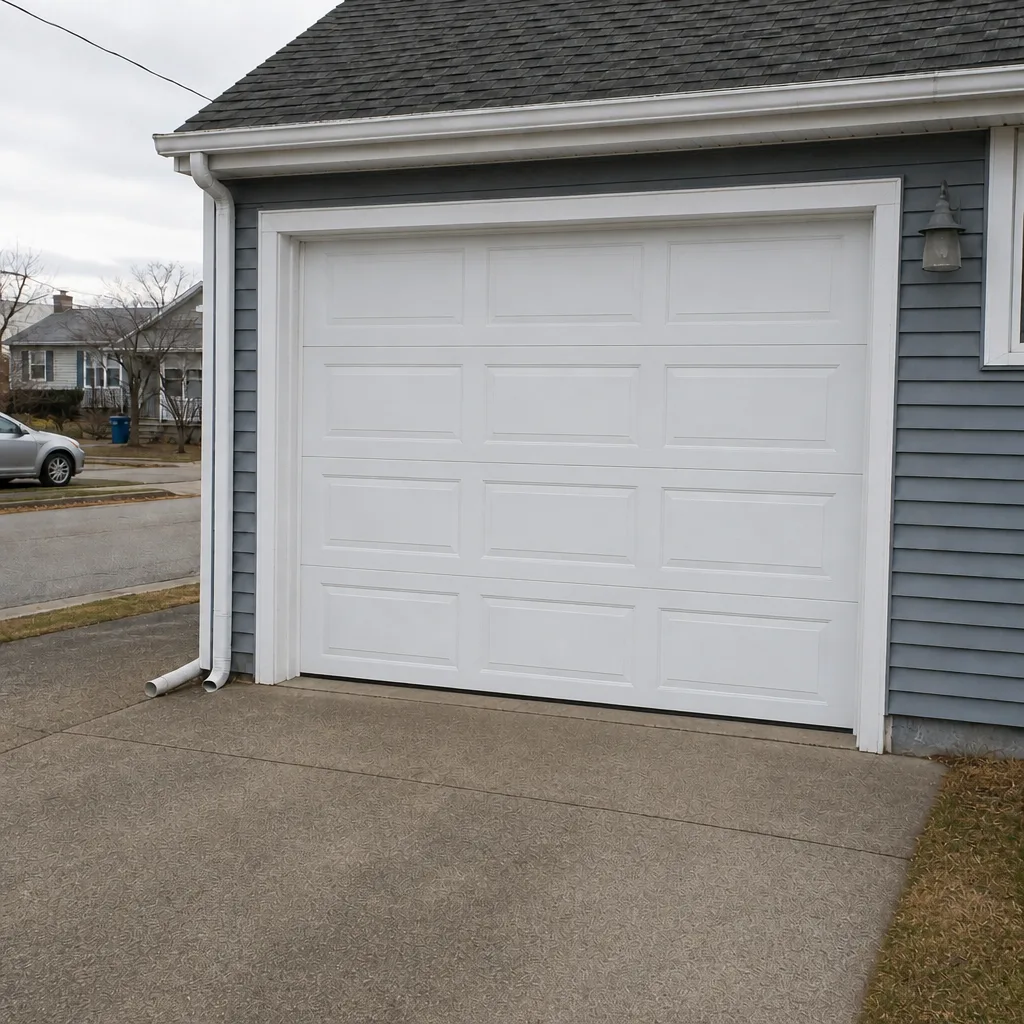 After
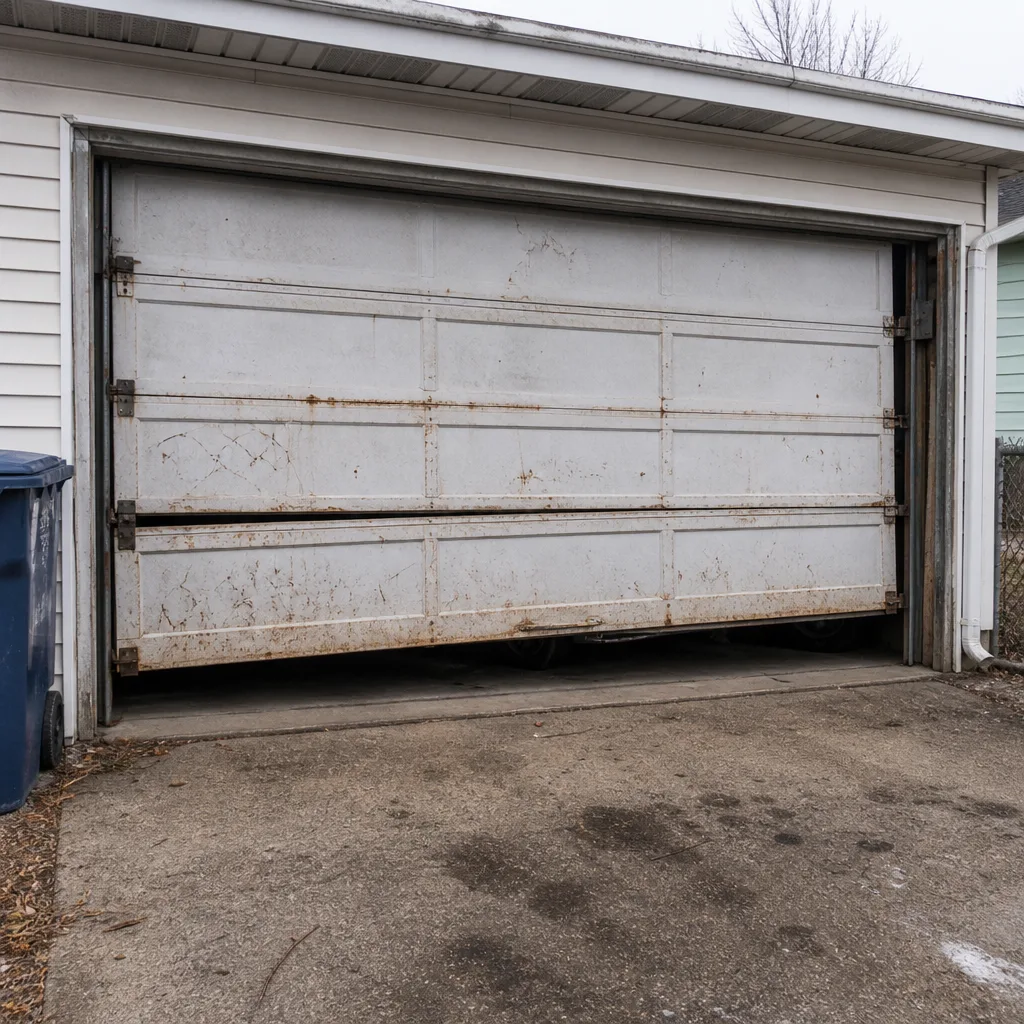 Before
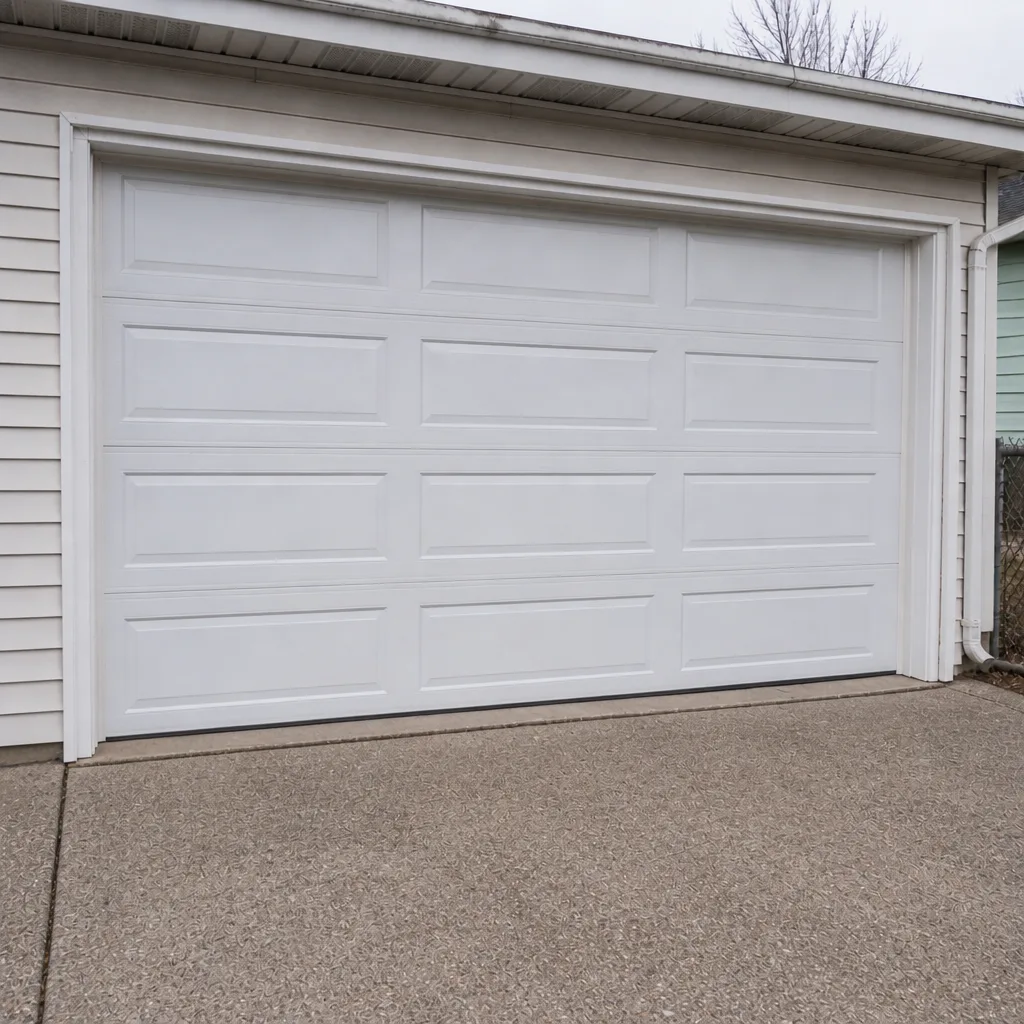 After
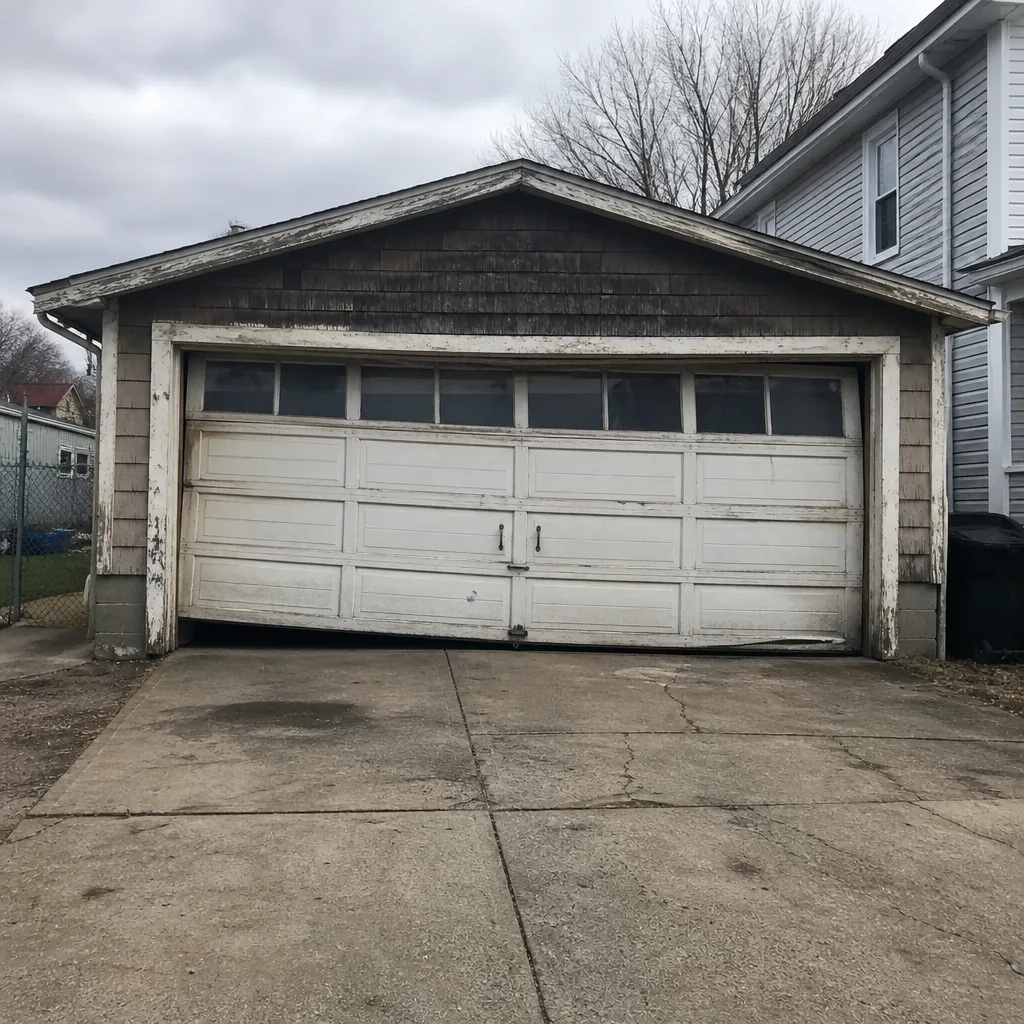 Before
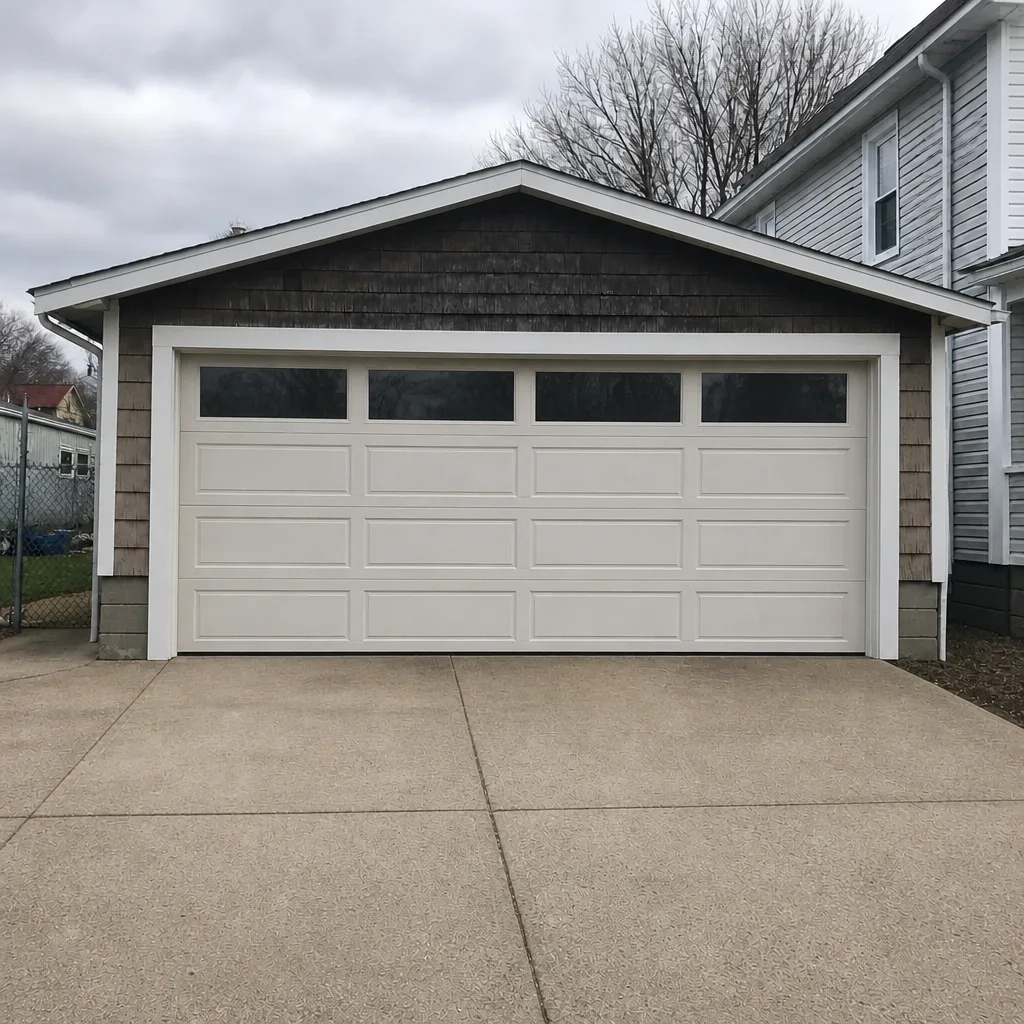 After
When to Call a Professional
Call us when a spring has snapped, when the door has come off the track, when the opener won’t lift or reverse properly, or when a door replacement is on the horizon and you want a proper measure and written price. Call us when the door is harder to lift than it was last year, when it’s visibly out of level or binding on the way up, or when a bottom seal has torn and let water into the panel. And call us when you’re not sure whether a repair or a replacement is the right call, because that’s exactly the question a specialist should answer in person. Fall River Garage Door Repair Pros offers free estimates in Fall River – call (855) 658-4171. We answer 24/7. Fast dispatch from 7am to 7pm, Sunday through Friday.
Frequently Asked Questions
Typical spring repair in Fall River runs in the low hundreds of dollars for a single spring, with a matched pair costing about twice that. The exact price depends on the spring type, the door’s weight, and whether the job also needs track or roller work. The written estimate sets the price before any work begins, so there’s no surprise on the invoice. Call (855) 658-4171 for an exact quote – estimates are free.
Yes, in most cases. A door stuck open or off its track is a safety issue and we treat it that way. We answer 24/7, with fast dispatch from 7am to 7pm, Sunday through Friday. A call outside dispatch hours is booked into the next opening. Call (855) 658-4171 and describe what happened – the technician can usually tell you what’s likely wrong before arriving.
No. The written estimate we give you before any work starts sets the price. If the technician finds an additional issue not visible up front, we’ll explain what we found, re-quote, and get your agreement before touching anything. We don’t start work at one price and finish at another. Call (855) 658-4171 to book a free estimate.
The local professionals we connect you with are licensed and insured as their state requires. Our technicians have up to 12 years of experience, and every job is quoted and agreed before work begins. If you have questions about credentials for a specific job, ask when you call. Call (855) 658-4171. We answer 24/7. Fast dispatch from 7am to 7pm, Sunday through Friday.
It depends on the job and the property. Replacing springs, an opener, or rollers typically doesn’t require a permit; a full door replacement, a changed opening size, or structural work often does, and historic-district rules in Bristol County can affect what you can install. The Fall River building department is the authority – call them with your address and the exact change you’re making before you order a door.
For most Fall River homes, a steel door with a factory finish or an aluminum door handles the humidity and freeze-thaw cycle well, provided the bottom panel is maintained. Wood and wood-toned steel are the right call on historic or triple-decker properties where the door has to match the look of the building, at the cost of more frequent painting or sealing. A technician can look at your specific opening and tell you which material is worth the money. Call (855) 658-4171 to book the measure.
The Bottom Line
Fall River garage doors fail for local reasons: humid air working on steel, freeze-thaw working on old concrete, and clearance issues in older triple-deckers and mill-era garages that a modern door or opener wasn’t built for. Understand those three, and you can make a smarter call on repair versus replacement, material, and timing. Springs are the danger point and should never be a DIY job. Openers are the most misdiagnosed. And permits on a full replacement are worth a call to the city before you spend money. Get a free measure and a written price before you commit to any door work. Call (855) 658-4171. We answer 24/7. Fast dispatch from 7am to 7pm, Sunday through Friday. From a snapped spring to a full door upgrade, one call covers it.
Written by the team at Fall River Garage Door Repair Pros.