
Last updated November 22, 2026
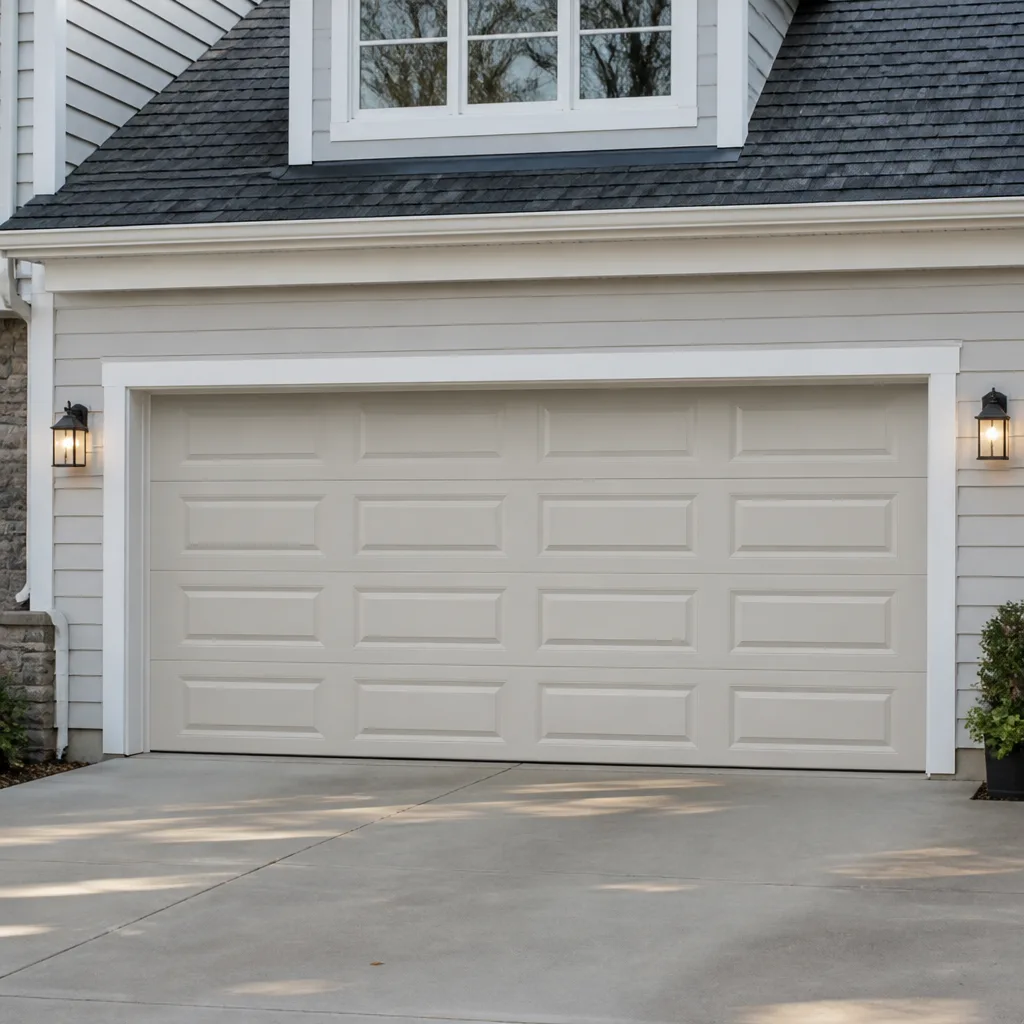 Raised-panel steel
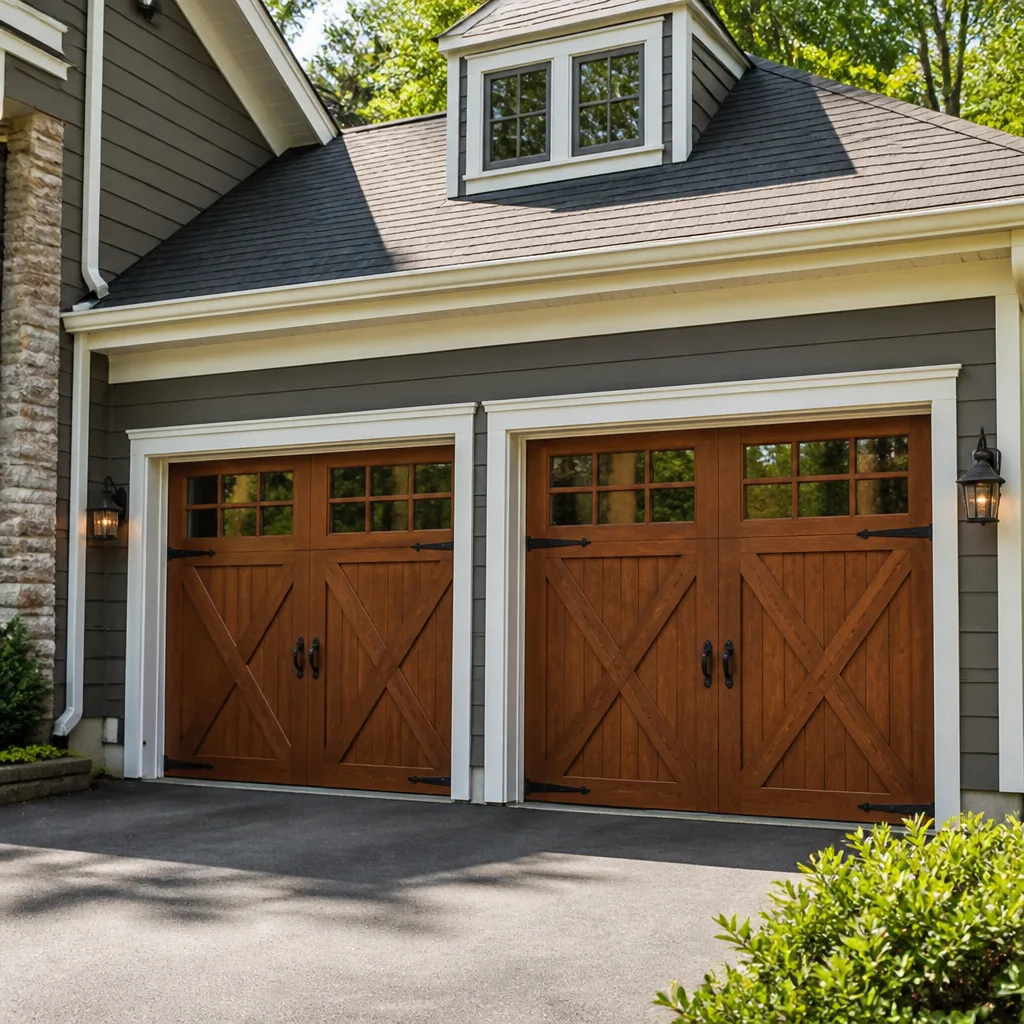 Carriage house
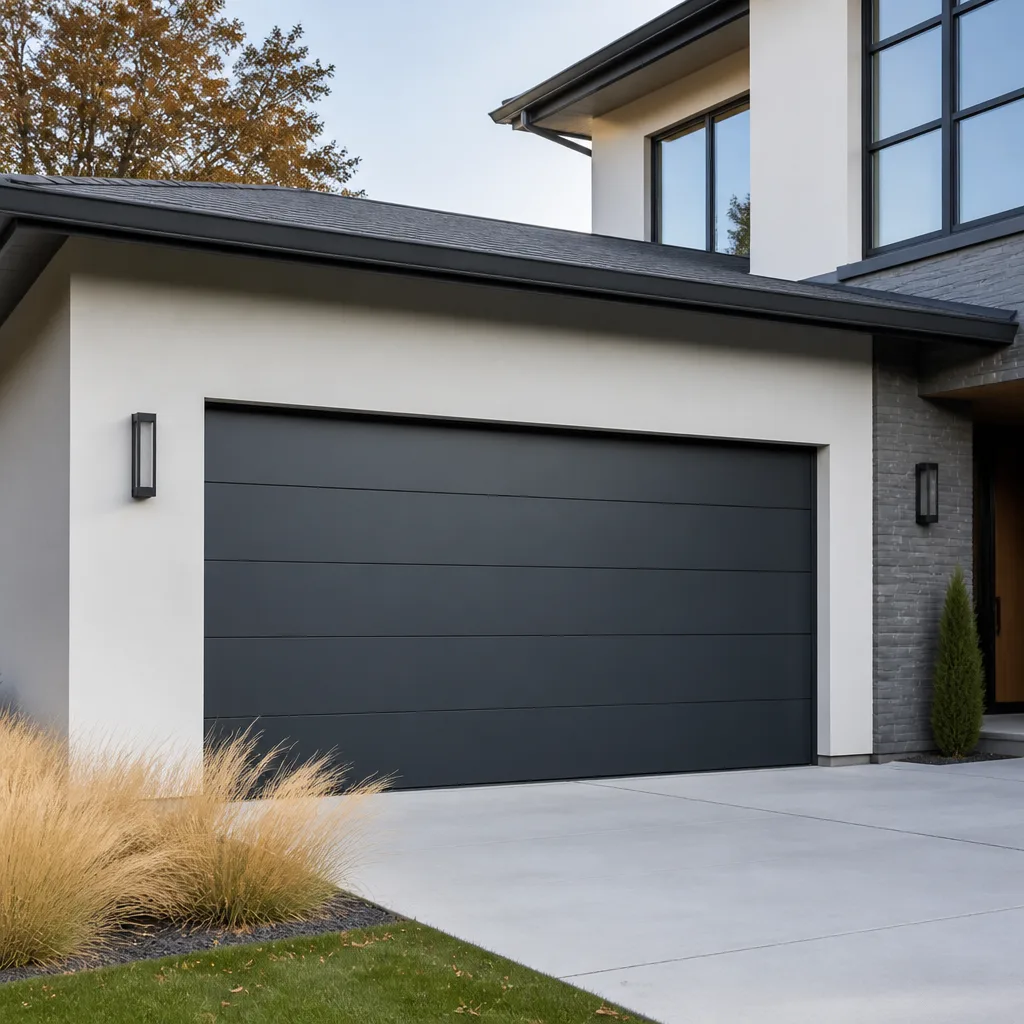 Modern flush
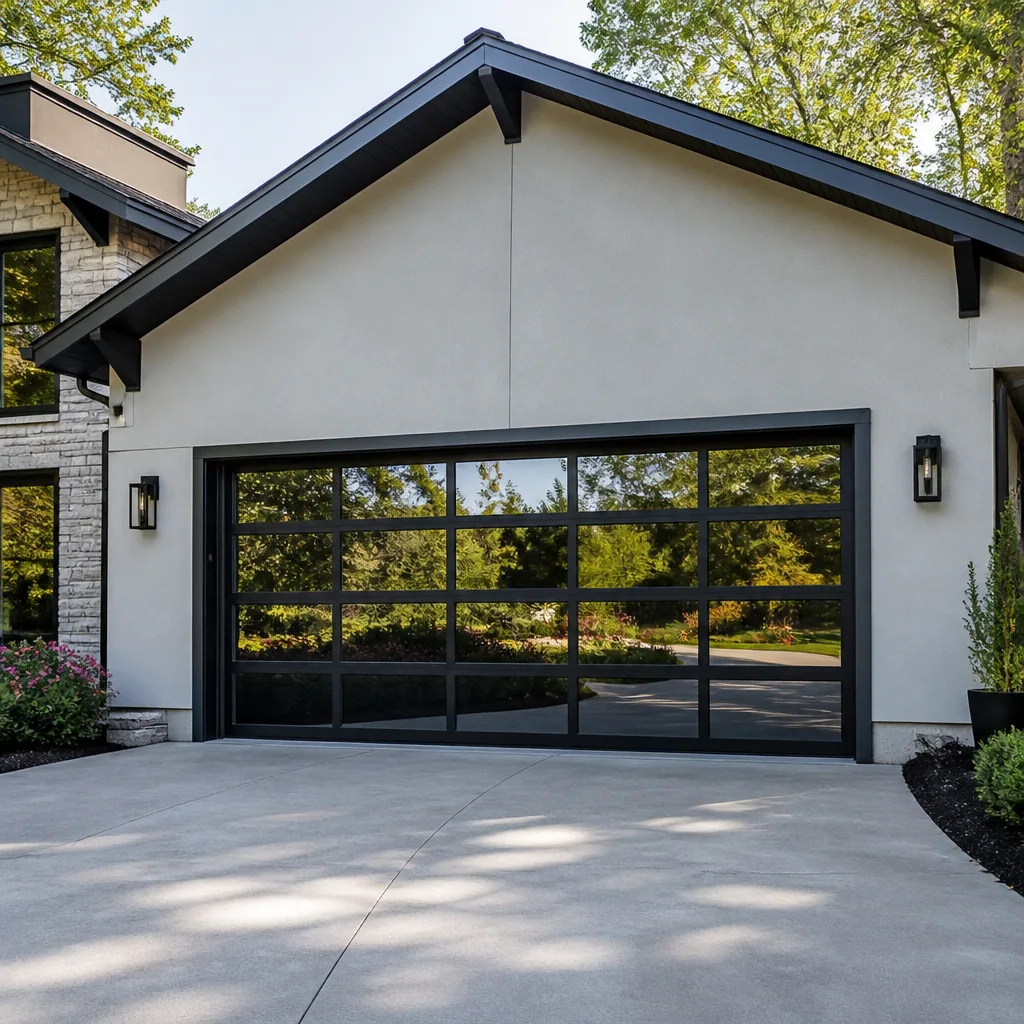 Full-view glass
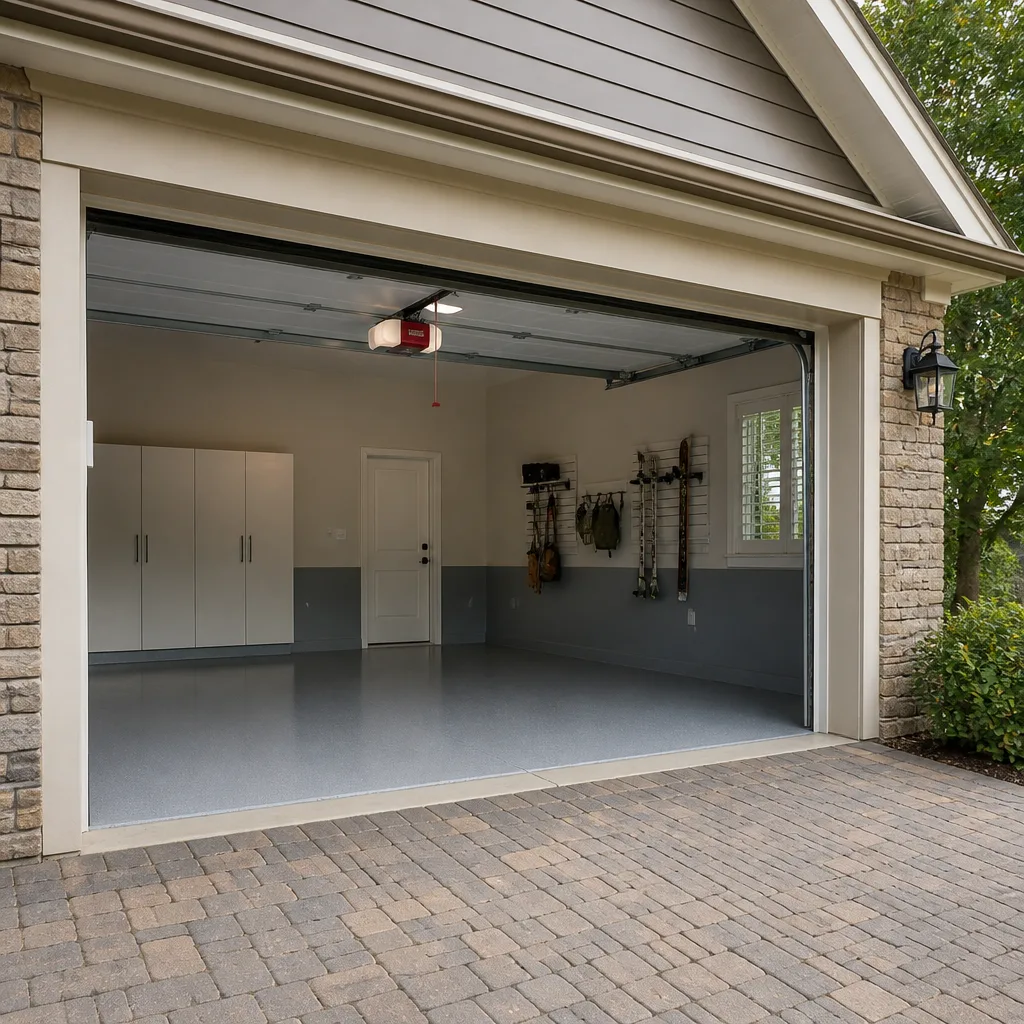 LiftMaster openers
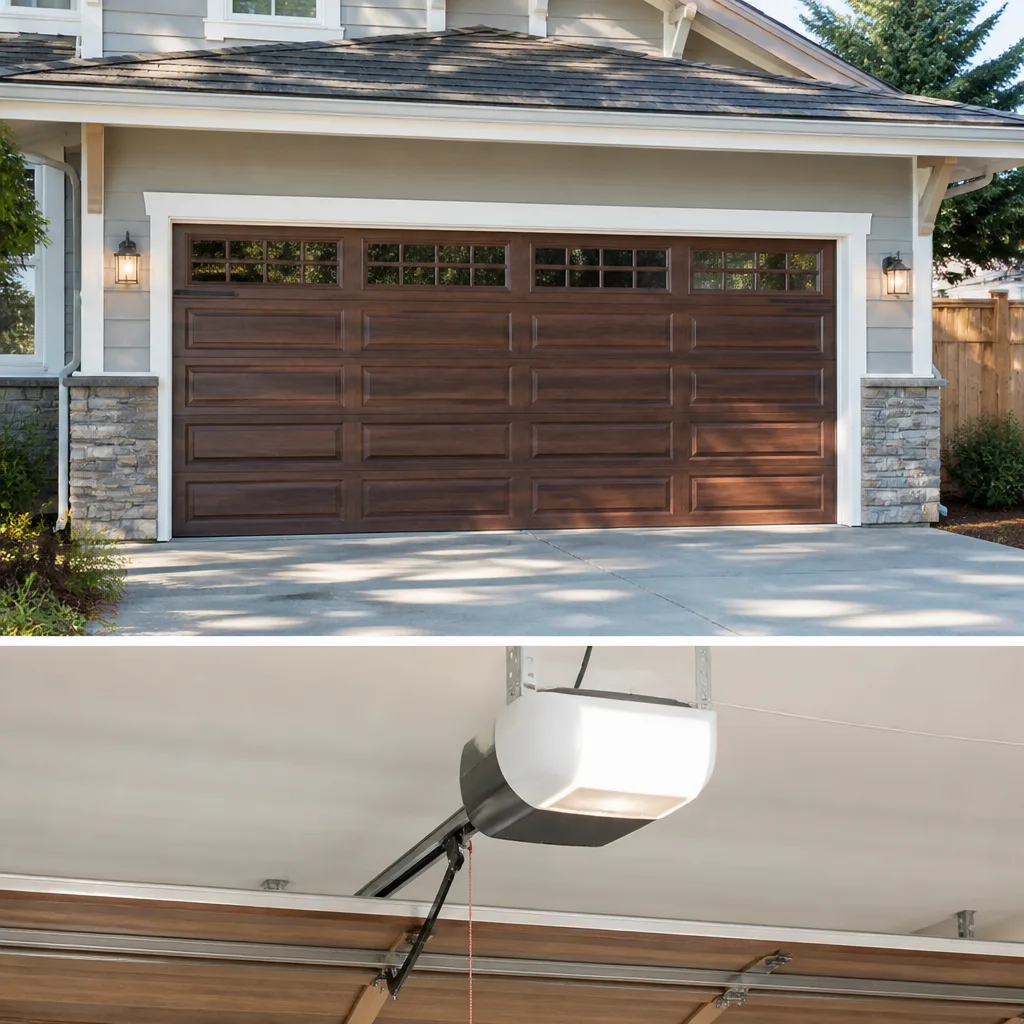 Chamberlain openers
Full 25-point door and opener safety check with every visit - springs, cables, rollers, tracks, and your LiftMaster or Chamberlain opener included
You get a price before we start. It does not change when the pro arrives.
Get your free estimateSeasonal Garage Door Care for Fall River: Year-Round Homeowner’s Guide
Most seasonal garage door care guides are written for USDA hardiness zones, not for actual cities. They spread maintenance evenly across four tidy quarters and treat July the same as November. That’s a mistake in Fall River, where the year doesn’t break into four equal parts. The damage happens in two narrow windows: the late-fall stretch when overnight temperatures start dropping below freezing, and the March thaw when frost leaves the ground and doors that worked fine all winter suddenly bind or drop off-track. Everything else is maintenance. These two windows are where failures get set in motion. This guide reorganizes the calendar around them and covers what to check, what’s normal, and when to stop and call a technician.
Quick Answer
Seasonal garage door care in Fall River comes down to two critical windows: October into November, when you should lubricate moving parts, test the balance and safety reverse, and inspect weatherstripping before the first hard freeze, and March, when you should check the track, rollers and cables as frost leaves the ground. Between those windows, winter is about watching for warning signs and summer is about humidity control on wood doors and opener electronics. One task – cable and drum inspection – matters year-round and deserves more attention here than any other single maintenance item.
Styles & brands we work with
- Raised-panel steel
- Carriage house
- Modern flush
- Full-view glass
- LiftMaster openers
- Chamberlain openers
Table of Contents
- The Fall Transition Checklist: October Before the Freeze
- Winter Operation: What’s Normal and What’s a Warning Sign
- The March Thaw Problem: Why Doors Suddenly Bind
- Summer Humidity and Its Effect on Your Door
- The Annual Task That Matters Most: Cable and Drum Inspection
- How Cold and Heat Affect Spring Tension and Opener Torque
- Your Twelve-Month Fall River Maintenance Calendar
The Fall Transition Checklist: October Before the Freeze
October is the single most important month for garage door care in Fall River. The reasoning is simple: once overnight temperatures consistently drop below freezing, lubricants thicken, metal contracts, and any small problem that went unaddressed in the fall becomes a bigger one in January. What you do before that first hard freeze determines how the door behaves all winter.
Here’s the checklist we recommend every homeowner in Fall River work through in October, in order:
- Lubricate the moving parts. Apply a garage-door-specific lubricant to the hinges, rollers, bearings and spring coils. Skip the general-purpose spray – it attracts dust and turns gummy in cold weather. This is the single highest-value item on the list.
- Test the balance. Disconnect the opener and lift the door halfway by hand. It should stay in place. If it drops or rises on its own, the springs are out of balance and a technician should look at them.
- Test the safety reverse. Place a piece of wood flat on the floor under the door and close it. The door should reverse on contact. Do the same test with the photo-eye sensors by passing an object through the beam.
- Inspect the weatherstripping. Look at the bottom seal and the perimeter seals. Any crack, tear or flat spot means cold air and moisture are getting in, and it will only get worse.
- Check the track for debris. Fall brings leaves and grit. Wipe the inside of the track with a damp cloth. Don’t lubricate the track itself – it should stay dry.
- Tighten the hardware. Run a socket wrench over the hinge bolts and track brackets. Vibration loosens them over the summer.
- Look at the cables and drums. Visual only. If you see fraying, kinks or slack, stop and call a technician.
That last item is worth emphasizing. The cables that lift your door are under extreme tension, and they’re not a component to handle casually. If anything about them looks off, leave them alone and have them looked at by someone with the right tools. The same goes for the springs – a trained technician should handle anything involving spring adjustment, and we cover spring care in more depth in our guide to garage door spring repair.
Winter Operation: What’s Normal and What’s a Warning Sign
Once the cold settles in, some changes in how your door behaves are entirely normal. Others are early warnings of a failure. Knowing the difference saves you a mid-winter emergency call – and in Fall River, those calls are more common than you’d think, because homeowners often wait until something breaks instead of reading the signs.
Here’s how to tell the two apart:
Normal in winter
- The door moves slightly slower on the first open of a cold morning, then speeds up. Lubricant is thicker when cold.
- A faint creak or groan from the springs or hinges, especially below freezing.
- The opener strains a bit more at the very start of the lift. Cold metal has more resistance.
- A small gap at the bottom of the door when the seal is stiff. It usually closes within a few seconds of the door settling.
Warning signs
- The door reverses on its own less than halfway up. This is often a sign the springs are losing tension or the opener is overloading.
- Grinding, scraping or popping sounds that weren’t there in the fall.
- The door hangs unevenly, one side higher than the other. A cable or drum is likely involved.
- The opener strains to lift the door and then stops. The springs are no longer doing their share of the lifting.
- Any visible change to the cables – fraying, kinks, or slack.
If you notice any warning sign on the second list, stop using the door. A torsion spring that’s about to fail doesn’t announce itself with a polite warning; the door simply won’t open one morning, and possibly not at all. If the door is stuck closed and you need it fixed today, call us. We answer 24/7 and dispatch Sunday through Friday, 7am to 7pm. A call outside dispatch hours is booked into the next opening.
Winter is also a good time to think about the opener itself. LiftMaster and Chamberlain units both cope with cold weather better when they’re properly adjusted, and a technician can dial in the force and travel limits so the unit isn’t working harder than it needs to. If your opener is old, or if it’s been struggling all winter, it’s worth having it looked at before something gives. Our garage door opener repair team handles all the major brands and can usually tell within a few minutes whether an adjustment is enough or whether a component is on its way out.
The March Thaw Problem: Why Doors Suddenly Bind
Here’s a pattern we see every spring in Fall River. A door that worked all winter – maybe a little stiff, but functional – suddenly binds in mid-March. The homeowner hasn’t changed anything. What changed is the ground.
As frost leaves the soil, driveways and slabs shift slightly. The slab under your garage door is not separate from the house foundation; it moves a small amount as the ground thaws and re-saturates. That movement is usually fractions of an inch, but a garage door is a precision machine. A track that was aligned in January can be out of alignment by March. The door starts to bind on one side, the opener strains, and eventually the door drops off-track or refuses to close.
Here’s what to check in March, in order of priority:
- Look at the track alignment. Stand inside the garage with the door closed and look up at the vertical tracks. They should be parallel and plumb. If either is visibly leaning, stop and call a technician.
- Check the bottom seal against the slab. If the door isn’t sealing flat, the slab may have shifted, or the seal may have flattened over winter.
- Test the balance again. Same test as in October. A door that balanced fine in the fall but drops now has a spring issue.
- Look at the rollers. One or more may be binding or worn. Worn nylon rollers are common and easy to replace.
- Watch for rust or new loose hardware. The thaw brings moisture, and moisture finds the hardware.
- Run the door through a full open-and-close cycle while you watch. Listen for new sounds. Look for any hesitation or uneven movement.
If the door is binding, don’t force it. Forcing a bound door is how small alignment problems become bent panels and broken cables. If you’re not sure whether what you’re seeing is normal, call us for a free estimate. The written estimate sets the price before any work starts, so you know exactly what you’re paying for. We can also take a look at any related issues while we’re there – a March check is a good time to combine with routine garage door repair if anything has slipped.
Summer Humidity and Its Effect on Your Door
Summer in Fall River means humidity, and humidity is quiet damage. It doesn’t announce itself like a broken spring – it works away at your door over months. The three areas that suffer most are wood doors, weatherstripping and opener electronics.
Wood doors
Wood doors absorb moisture in the summer and swell. In a high-humidity stretch, a wood door that fit perfectly in winter can start sticking in the frame, showing gaps at the panel joints, or failing to close flush. This is normal up to a point, but if a wood door consistently sticks or binds in August, the finish may need refreshing or the door may need adjustment. A fresh coat of exterior-grade sealer on a wood door every couple of years goes a long way in this climate. Clopay and Amarr both make wood-look doors that mimic the aesthetics of wood without the moisture sensitivity, which is worth considering if you’re weighing replacement.
Weatherstripping
The rubber seal at the bottom of your door and the perimeter seals around the frame are exposed to constant humidity and temperature swings. Summer heat softens the rubber, letting it stretch and eventually take a set. Winter cold then makes it brittle. A seal that looked fine in June can crack by September. Check it once in early summer and once in early fall. If it’s flat, cracked or pulling away, replacing it is inexpensive and makes a real difference in both energy efficiency and pest exclusion.
Opener electronics
Modern openers – LiftMaster, Chamberlain and Genie all make units with logic boards and radio receivers – are sensitive to humidity. Condensation on a circuit board can cause intermittent behavior: the door opens when you didn’t press the remote, or the remote works from twenty feet away but not from the driveway. If your opener behaves unpredictably in the summer and settles down in cooler weather, the electronics may be the cause. A technician can test the board and the radio receiver in a few minutes.
There’s also a seasonal dimension to opener torque in summer. Heat expands the door slightly, and the extra friction on a swollen wood door can push a marginal opener past its limits. If the opener reverses on hot days and works fine on cool days, that’s the sign.
The Annual Task That Matters Most: Cable and Drum Inspection
If we could get homeowners to do one maintenance task per year, it would be the cable and drum inspection. In a climate like Fall River’s – with big temperature swings, high summer humidity, and winter road salt tracked into garages on snow-covered vehicles – cables and drums take more abuse than they do in drier climates. That’s the honest reason this task matters more here than in most places.
Cables are the components that actually pull the door up, and they’re wound around drums at the top of the track on each side. They’re under extreme tension. A frayed cable can snap under load, and a snapped cable lets one side of the door drop – a genuinely dangerous situation. We don’t recommend homeowners work on cables or drums themselves. What you can and should do is inspect them, once a year, with your eyes only.
Here’s what to look for, side by side:
- Fraying. Look for broken strands anywhere along the visible cable. Any fray at all means the cable needs to be replaced.
- Kinks or flat spots. A kink is a stress point that leads to a snap.
- Slack or twist. Cables should be uniformly taut. Any slack is a drum or adjustment problem.
- Rust on the drum. Light surface rust is common. Pitting or flaking rust is a sign the drum is failing.
- Cables wrapping unevenly. They should wrap smoothly around the drum with consistent spacing. If you see overlap or gaps, have it checked.
- Drum wear at the cable groove. If the cable is cutting into the drum, the drum needs replacing.
Once a year, ideally in the fall, do this inspection. If anything looks off, stop. Call us. Cable and drum work is a small cost compared to the cost of a damaged door or a dangerous failure. Our technicians work on garage doors exclusively, and they’ve seen what a snapped cable can do – it’s one of the reasons we recommend homeowners never try to adjust or replace a cable themselves.
While you’re doing the inspection, take a look at the springs too. We cover this in much more detail elsewhere, but the short version is that torsion springs are wound to hundreds of pounds of tension and should never be touched by anyone without proper winding bars and training. If you want help understanding what’s involved, see our guide to garage door spring repair – it’s one of the most dangerous repairs a homeowner can attempt, and it’s a task that’s worth handing off.
How Cold and Heat Affect Spring Tension and Opener Torque
Cold metal behaves differently from warm metal – not by much, but enough to matter on a garage door. Two things change with temperature: the spring tension and the friction throughout the system. Both affect the opener’s workload, and that’s why a door that works fine in September may struggle in January.
Spring tension in cold weather
Torsion springs are wound from spring steel, and spring steel is more rigid when cold. That means the spring is stiffer in January than in July, so it doesn’t give as much lift per inch of stretch. The practical effect is that the opener has to do more of the lifting work in winter than in summer. A properly sized spring leaves enough margin for this; an undersized or aging spring may not. That’s one reason so many spring failures happen on the coldest nights of the year – the spring is already at the end of its life, and the extra cold load is what finally breaks it.
Extension springs behave similarly, though they’re coiled differently. They can also open up small gaps or even detach dangerously if a safety cable isn’t in place. If your door has extension springs and no safety cable running through the center of each, have a technician add one. It’s a small job with real safety value.
Opener torque and adjustment
Every opener has adjustable force and travel limits for the open and close directions. Force is set at installation to match the door. When cold weather increases friction, an opener that was set right at the minimum force may start to reverse or strain. Resist the urge to crank the force limit to maximum – that bypasses a safety feature that exists to stop the door if it meets an obstruction. Instead, have a technician adjust it properly. LiftMaster and Chamberlain units both have force and travel settings that a trained technician can dial in for your climate.
If your opener is ten or more years old and struggling every winter, it’s worth having it assessed before the next cold season. Same-day repair is available for most failures, and we’d rather see you in the fall than in the middle of a cold snap. If your unit is going out, we’re happy to walk through replacement options as part of a broader garage door opener repair visit.
Your Twelve-Month Fall River Maintenance Calendar
If you want the whole year in one place, this is the sequence we recommend. It’s organized around the two critical windows, but the rest of the year isn’t idle.
October – the fall transition
- Lubricate hinges, rollers, bearings and spring coils
- Test door balance by hand
- Test safety reverse with an obstruction
- Inspect weatherstripping and replace if worn
- Clean the track and tighten hardware
- Cable and drum visual inspection
November through February – winter watch
- Listen for new sounds on the first cold mornings
- Watch for uneven movement or hesitation
- Clear snow and ice from the door bottom after storms
- Keep the track clear of debris tracked in by vehicles
- Check that the door seals at the bottom after snow
March – the thaw check
- Check track alignment after the ground shifts
- Re-test balance and safety reverse
- Inspect bottom seal against the slab
- Look for rust or new loose hardware
- Watch the door through a full cycle
April through June – spring maintenance
- Clean and reseal wood door surfaces if needed
- Check weatherstripping
- Test opener range and force settings
- Lubricate again if the door has seen heavy use
July through September – summer check
- Watch for opener electronics misbehaving in humidity
- Inspect wood door finish
- Check weatherstripping after the summer heat
- Look for any new issues before the fall transition
If you only do three things from this calendar, do the October checklist, the November-through-February watch, and the March thaw check. Those three cover the majority of preventable failures in Fall River’s climate.
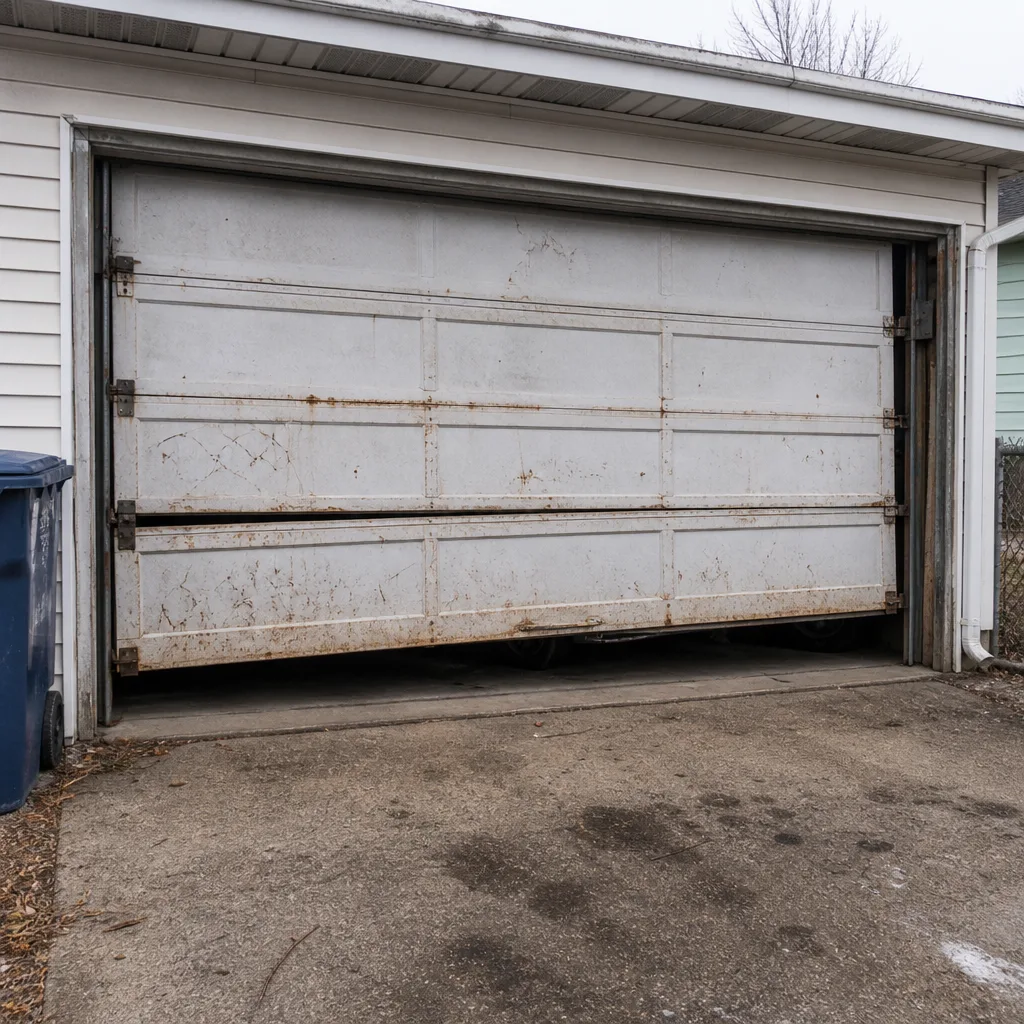
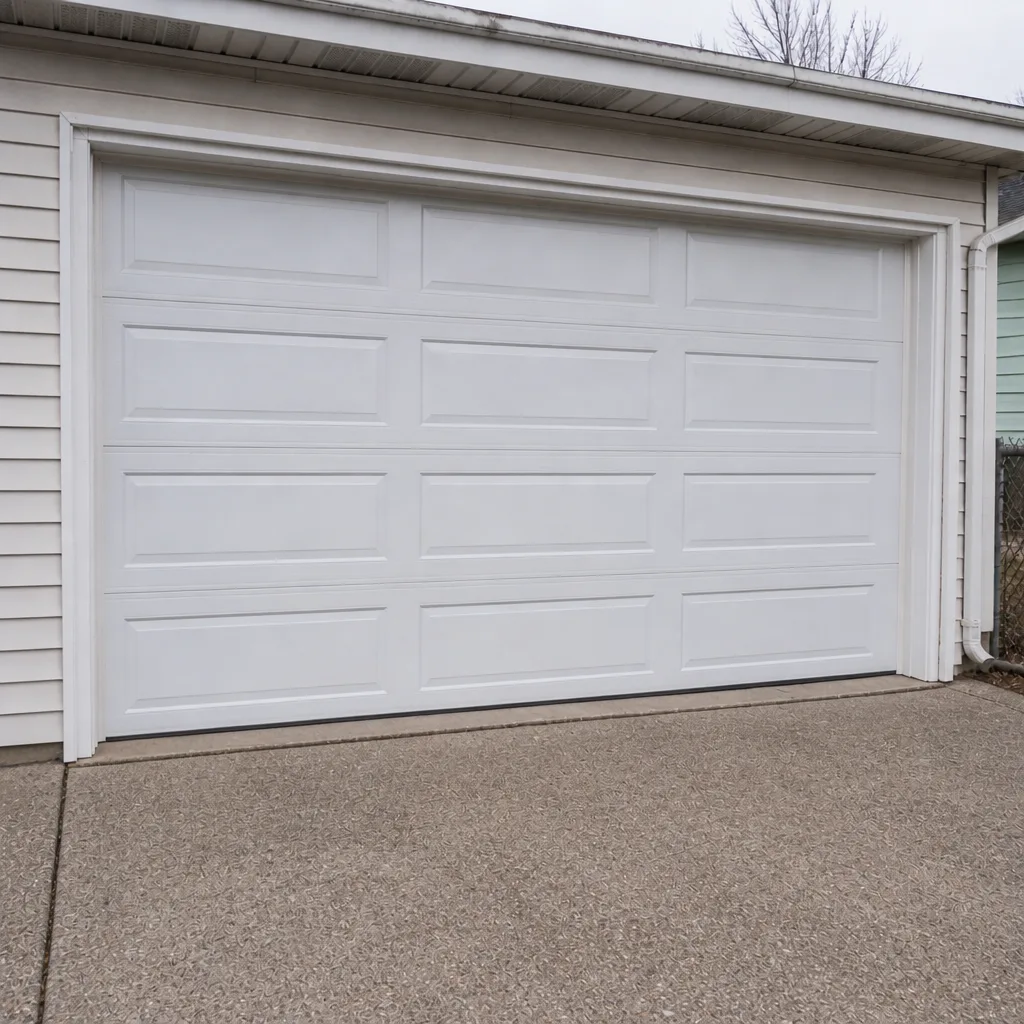
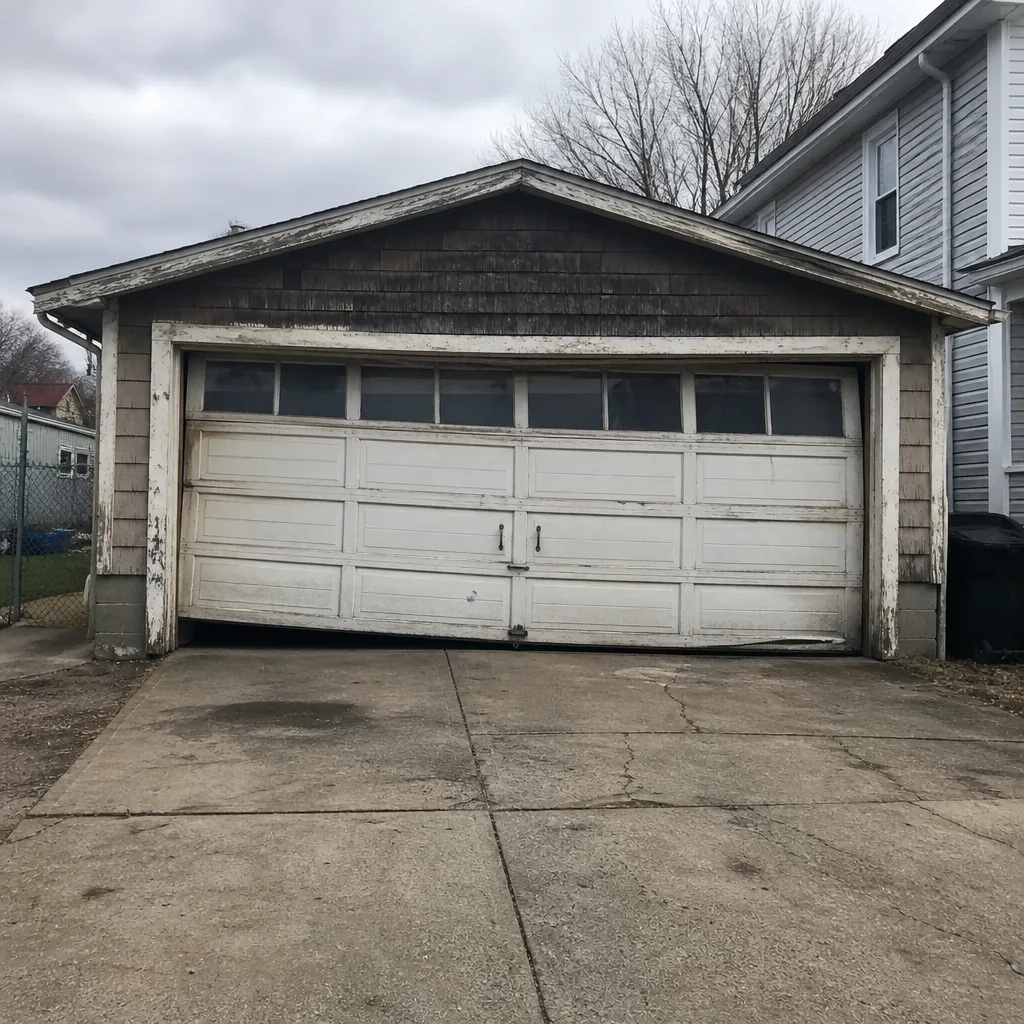
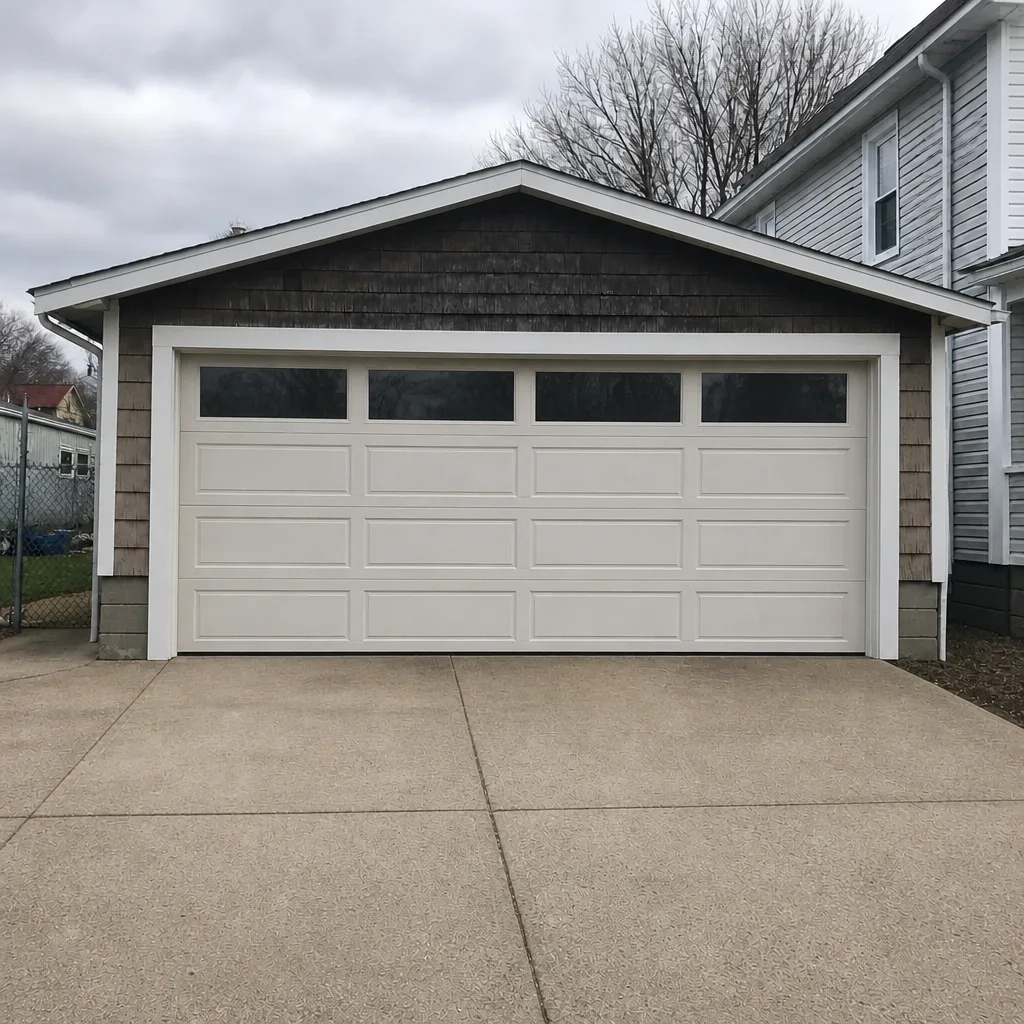
See the difference
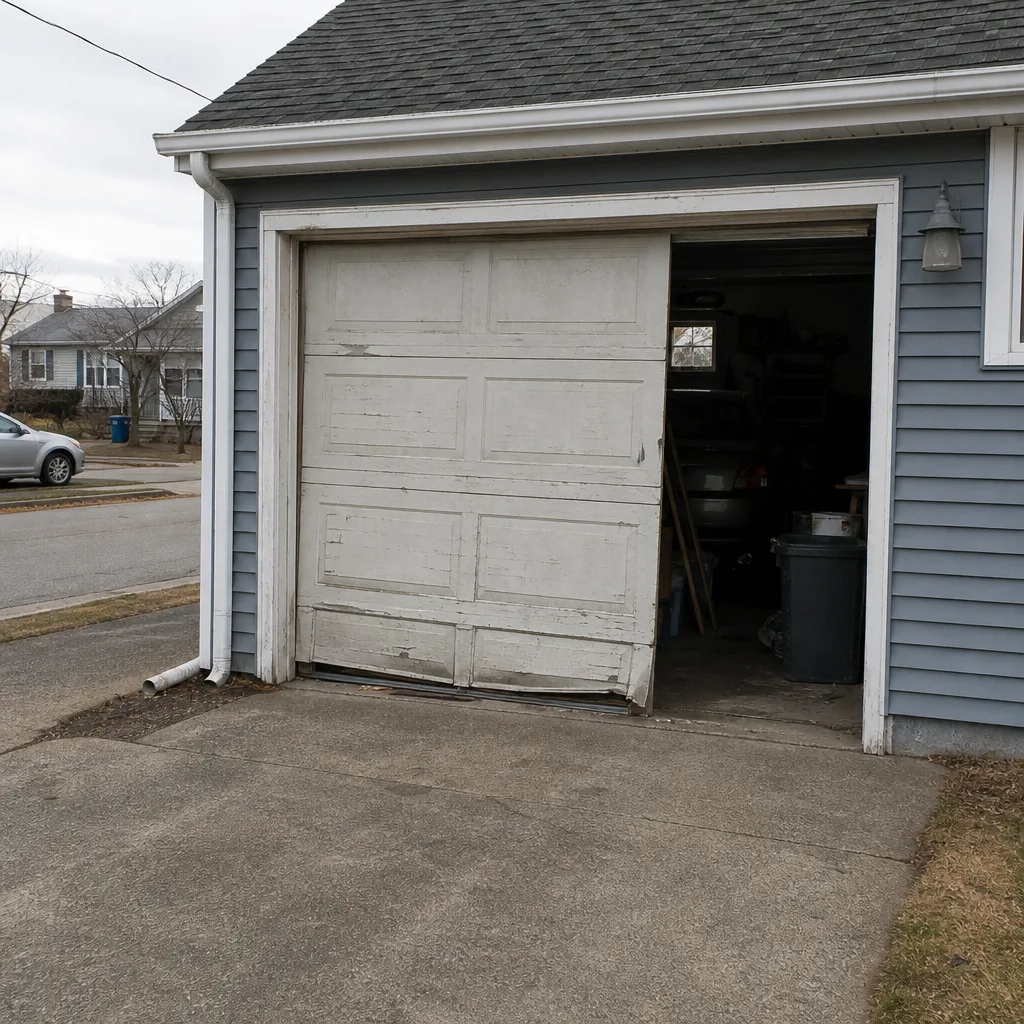 Before
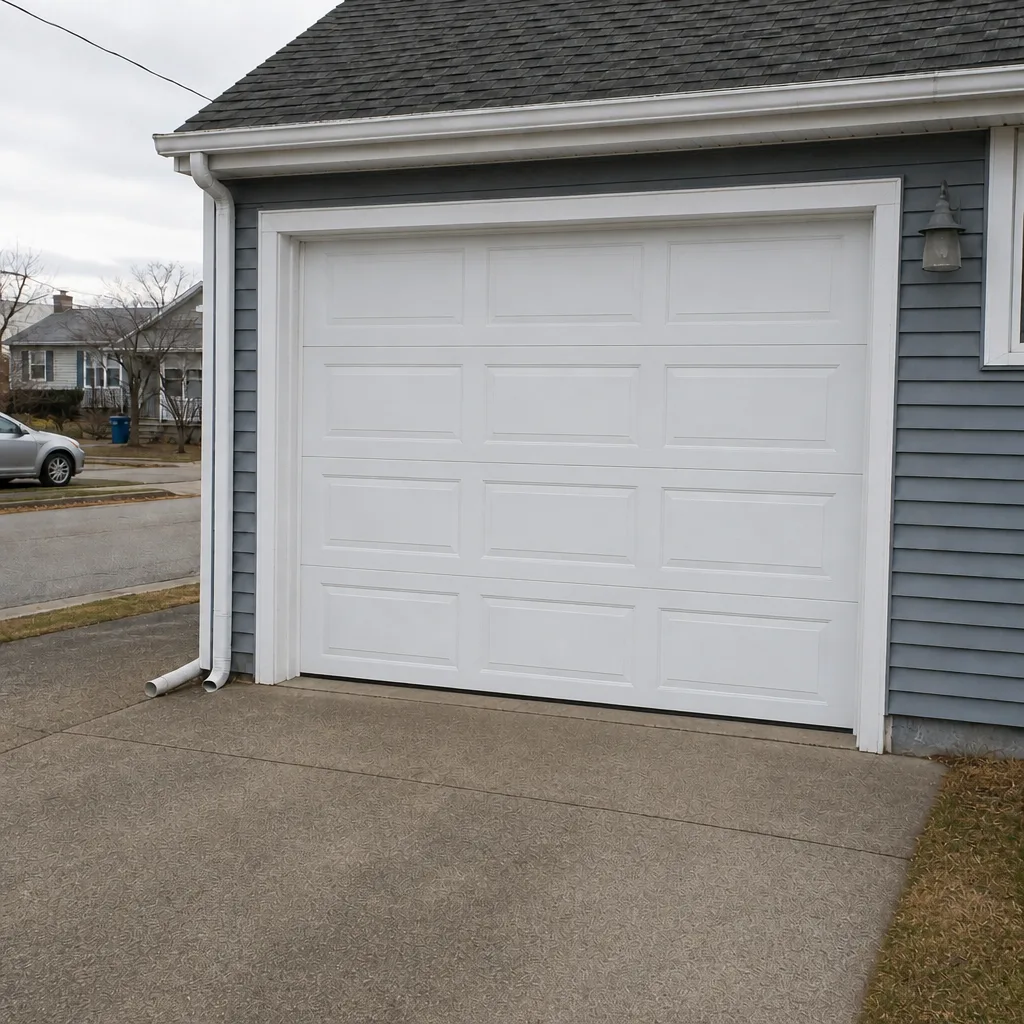 After
 Before
 After
 Before
 After
Common Mistakes to Avoid
- Lubricating the track. This is the most common mistake. The track should stay dry. Lubricant on the track attracts grit and slows the door down, especially in cold weather.
- Using general-purpose spray lubricant. It thins out in summer and gets gummy in winter. Use a garage-door-specific lubricant, and apply sparingly to hinges, rollers, bearings and springs.
- Adjusting the opener’s force setting to compensate for a heavier door. This bypasses a safety feature. If the door feels heavier, the springs need attention, not the force limit.
- Postponing the March inspection because “it worked all winter.” That’s the pattern that leads to a door dropping off-track in April. The thaw is when slabs shift, not when they freeze.
- Replacing a single spring instead of both. Torsion springs are replaced in matched pairs, because they wear together and a single replacement will be unbalanced against the older one.
- Working on cables, drums or springs yourself. These are the highest-risk components on a garage door. A trained technician with the proper tools and safety protocols should handle them.
- Skipping the cable and drum inspection because nothing looks wrong. The most dangerous failures start with a fray you can’t see from the outside. Have a technician look at them once a year.
When to Call a Professional
Most of this guide is things you can do yourself – lubrication, visual inspection, testing the safety reverse, keeping the track clean. What you should not do yourself is adjust or replace springs, cables, drums or the opener’s force and travel limits. Those components are under tension or affect safety, and a misstep can cause injury or a much larger repair bill.
Call a professional when you notice any of these: a frayed, kinked or slack cable; a torsion spring that’s lost tension or broken; a door that binds, hangs unevenly or drops off-track; an opener that reverses on its own or strains when lifting the door; rust pitting on the drums; a door that won’t seal to the slab after the March thaw; or any hardware you can’t confidently identify. If you’re not sure whether it’s serious, call and we’ll talk it through.
Fall River Garage Door Repair Pros offers free estimates in Fall River. Call (855) 658-4171. We answer 24/7, and fast dispatch runs 7am to 7pm, Sunday through Friday. We’re closed on Saturday. The written estimate sets the price before any work starts.
Frequently Asked Questions
The October pre-freeze checklist – lubrication, balance test, safety reverse test, and weatherstripping inspection – is the highest-value single maintenance session you can do. Getting those done before the first hard freeze sets up the door to handle winter without strain. If we could add a second item, it’s the March thaw check for track alignment.
Spring is when the ground thaws and the slab under your garage door shifts by fractions of an inch. That small movement is enough to throw a track out of alignment or make rollers bind. If your door worked all winter and suddenly binds in March, the door usually isn’t the problem – the track alignment is. Call a technician for a track adjustment before the door drops off-track entirely.
No. Don’t lubricate the track. The track should stay dry, because lubricant on the track attracts grit and dust that slows the door down, and it gets gummy in cold weather. Lubricate only the hinges, rollers, bearings and spring coils with a garage-door-specific lubricant.
Cold spring steel is stiffer, so it doesn’t give as much lift per inch of stretch, and the opener has to do more of the lifting. When a spring is already at the end of its life, the extra cold-weather load is often the final straw. That’s why so many spring failures happen on the coldest nights of the year. If a spring has been in service for many seasons and your door has started feeling heavier, it’s worth a check before winter. Call (855) 658-4171 to book a free estimate.
Look for fraying, kinks, flat spots or slack. Any visible fray at all means the cable needs to be replaced, and you should stop using the door until a technician can look at it. Cables are under extreme tension and are not a component homeowners should work on. We inspect cables and drums as part of any spring or door service visit.
Yes. High summer humidity swells wood doors, softens weatherstripping and can cause condensation on opener electronics. Symptoms include a wood door that sticks in August, a bottom seal that takes a set after the summer heat, and an opener that misbehaves intermittently in humid weather. Check the door once in early summer and again in early fall, and have a technician test the opener if its behavior changes with the weather.
The Bottom Line
Fall River’s seasons don’t wear a garage door down evenly. The two windows that matter most are October into November and the March thaw, and those are where you should focus your maintenance time. Everything else – winter watch, summer humidity checks, spring resealing – is about protecting what those two windows set up.
The components worth having a technician handle every year are cables and drums. Those are under tension, they’re the ones most likely to fail dangerously in this climate, and they’re the least forgiving to work on yourself. Everything else on the list is doable at home if you know what to look for.
If you’d rather have a specialist take a look, or you’re facing a repair that feels out of scope for a homeowner, we’re here to help. Our technicians work on garage doors exclusively, and they know the seasonal patterns in Fall River well. Your garage door is the largest moving part of your home. It deserves a specialist.
Call (855) 658-4171 for a free estimate. We answer 24/7, and fast dispatch from 7am to 7pm, Sunday through Friday. Closed Saturday. Our technicians have up to 12 years of experience, and we work with LiftMaster, Chamberlain, Genie and Clopay systems regularly, along with Amarr, Wayne Dalton, Craftsman and Raynor.
Written by the team at Fall River Garage Door Repair Pros.