
Last updated November 22, 2026
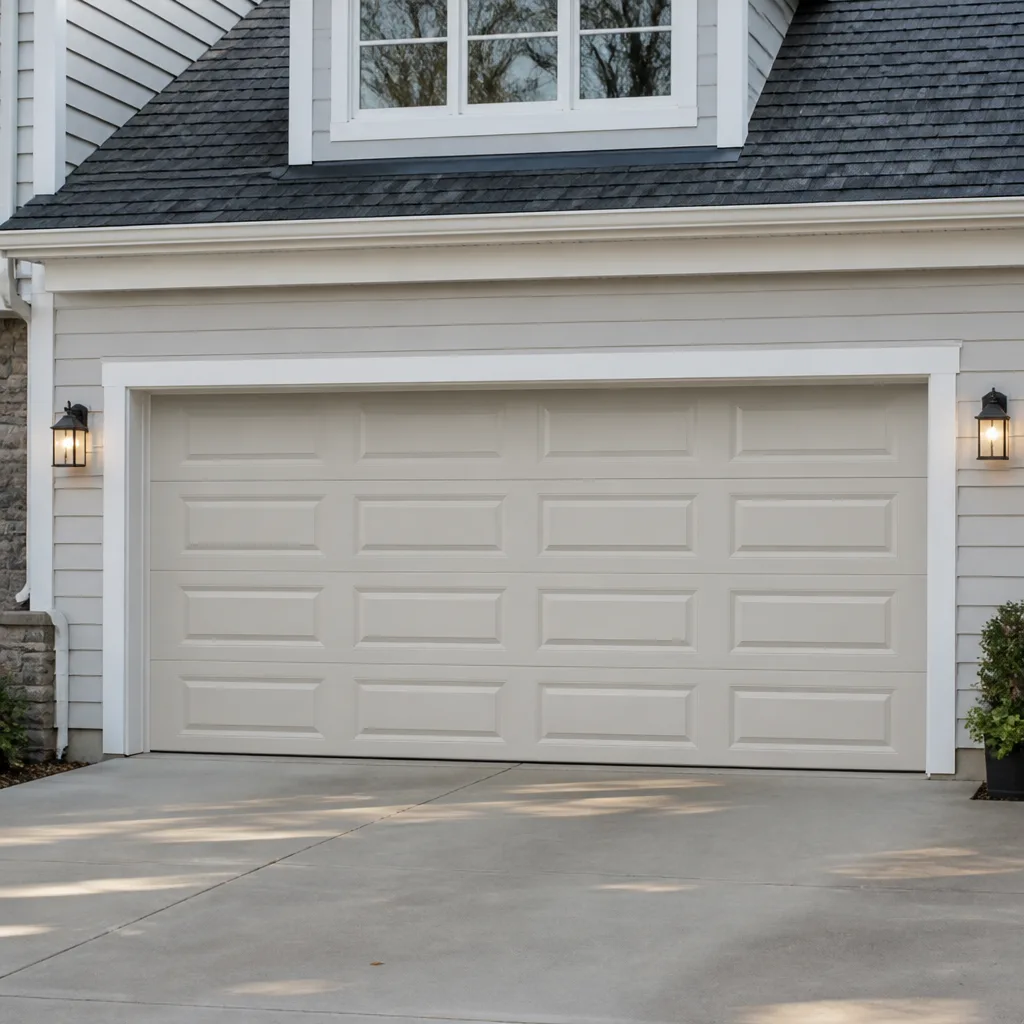 Raised-panel steel
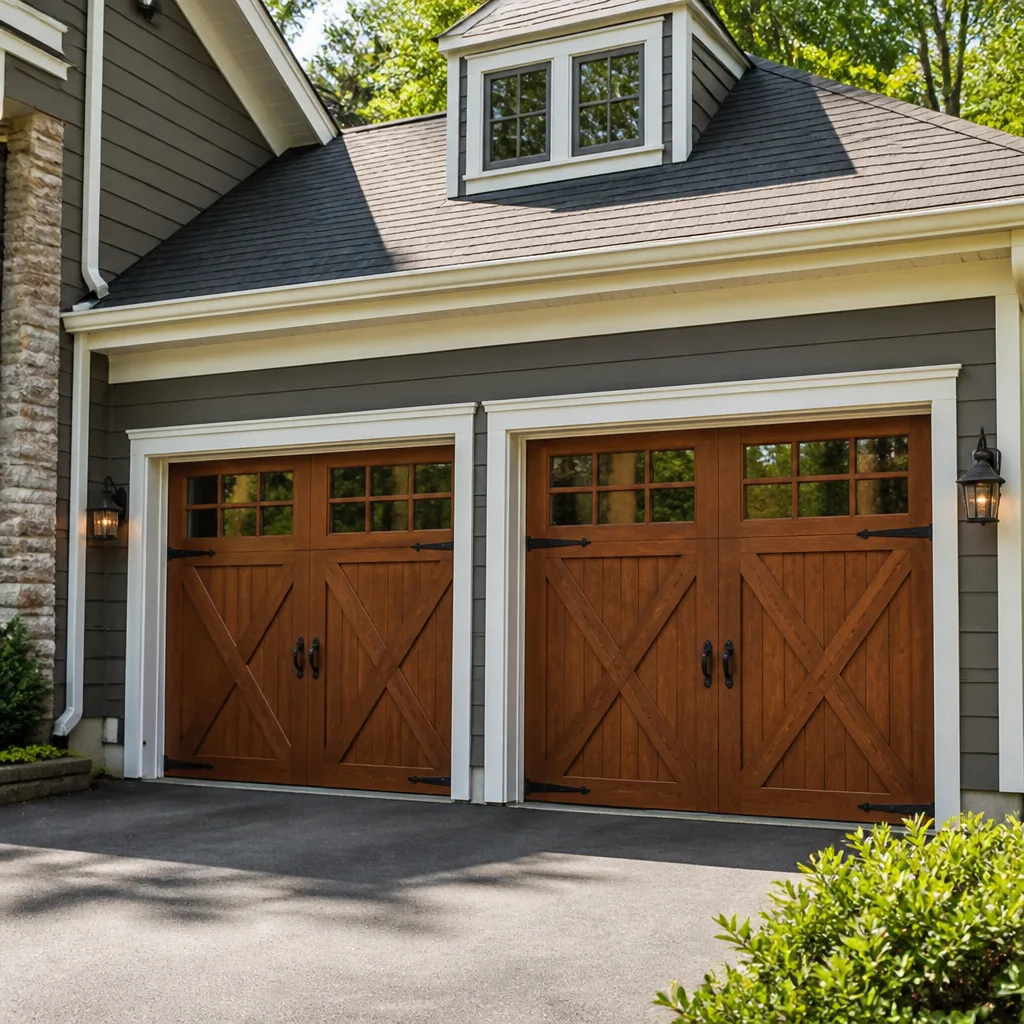 Carriage house
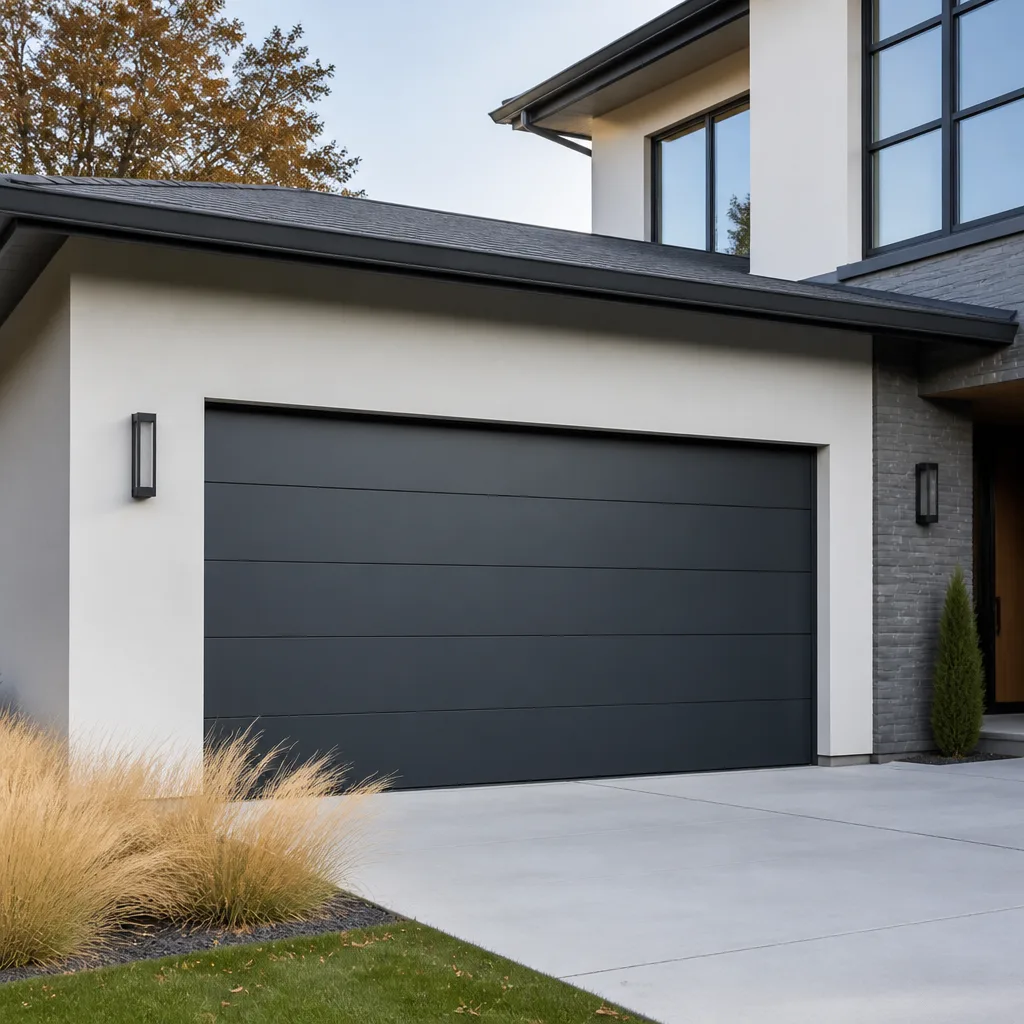 Modern flush
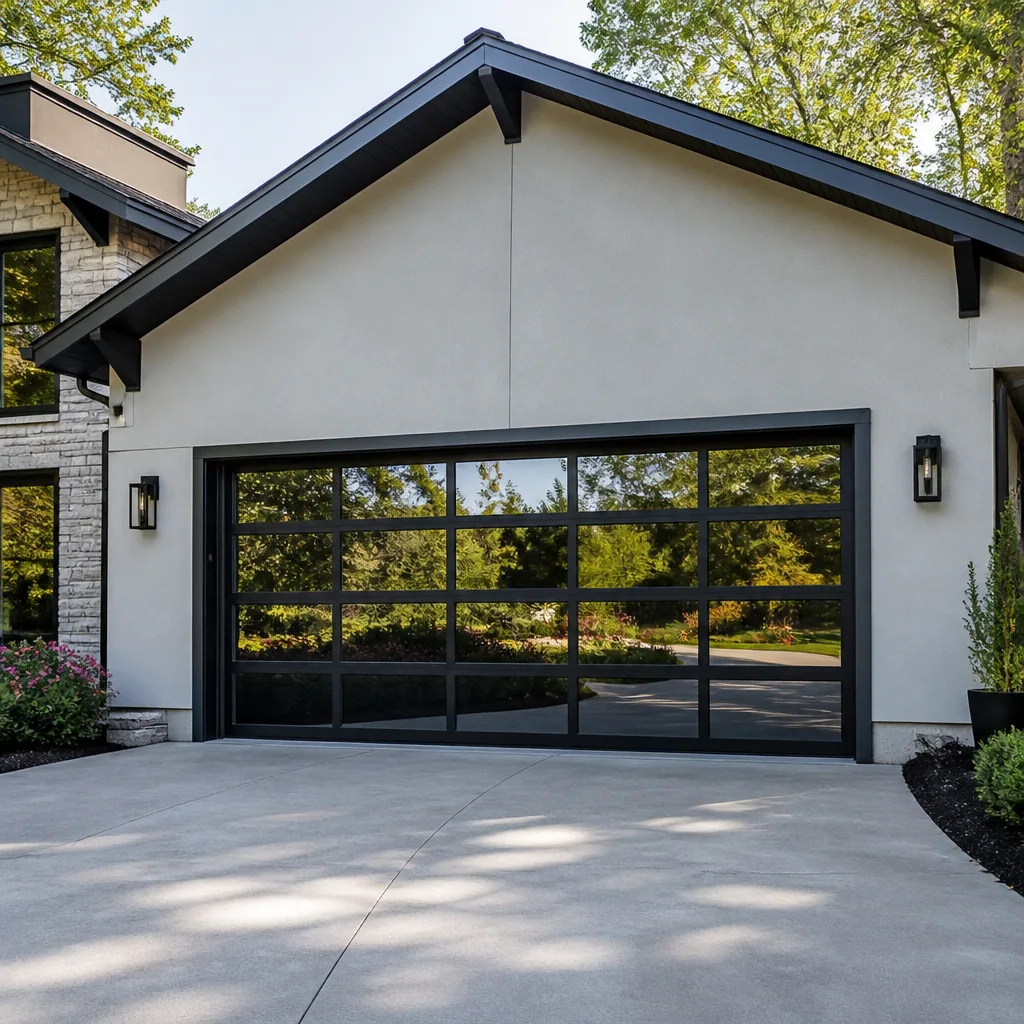 Full-view glass
 LiftMaster openers
 Chamberlain openers
Full 25-point door and opener safety check with every visit - springs, cables, rollers, tracks, and your LiftMaster or Chamberlain opener included
You get a price before we start. It does not change when the pro arrives.
Get your free estimateGarage Door Repair Maintenance Checklist for Fall River Homeowners
The number-one reason garage doors fail prematurely in New England isn’t neglect. It’s maintenance done in the wrong sequence. We see it every spring: a homeowner who dutifully sprayed lubricant all over the tracks in March and unknowingly sealed a winter’s worth of salt grit and grit-bound frost residue into the metal. The door ran smooth for a few weeks, then started grinding. Order matters more than effort here. In Fall River, the stresses arrive in a predictable calendar sequence, and a checklist timed to that sequence does more good than a generic quarterly routine. This guide walks through what to check, in what order, and where the honest line sits between what you can safely handle and what needs a trained technician.
Quick Answer
A Fall River garage door maintenance checklist should follow the calendar: post-winter salt and frost inspection first, then hardware torque and spring tension checks, then weatherstripping tested for both summer humidity swelling and winter freeze-bonding, then panel and bottom seal inspection keyed to freeze-thaw ground movement. Lubricate last, never first. Anything involving springs, cables, or the opener’s internal wiring belongs to a trained technician, not a homeowner.
Styles & brands we work with
- Raised-panel steel
- Carriage house
- Modern flush
- Full-view glass
- LiftMaster openers
- Chamberlain openers
Table of Contents
- 1. Post-Winter Sequence: Salt and Frost Damage First
- 2. Hardware Torque and Tension Checks That Matter Here
- 3. Testing Weatherstripping for Humidity and Freeze-Bonding
- 4. Panel and Bottom Seal Inspection in Freeze-Thaw Ground
- 5. Lubrication Done in the Right Order
- 6. Opener and Safety Reverse Testing
- 7. What You Can Safely Do vs. What Needs a Technician
- 8. A Fall River Seasonal Maintenance Calendar
1. Post-Winter Sequence: Salt and Frost Damage First
The first maintenance pass of the year in Fall River has one job: get the winter out of the door before you do anything else to it. Road salt tracked onto the apron, frost that worked its way into the bottom seal, grit packed into the track flanges – all of it acts like sandpaper the moment the door cycles. Every spring we get calls from homeowners who are sure their rollers went bad over the winter. Usually the rollers are fine. The tracks are full of winter that never got cleared.
Here’s the sequence we recommend for the first warm weekend after the last hard freeze:
- Clear and dry the tracks. Use a stiff brush or a vacuum with a crevice tool to pull grit and dried salt residue out of both track channels. Do this before anything wet touches the metal.
- Wipe down the bottom seal and panel seams. A damp cloth along the bottom edge and the seams between panels clears the salt film. Let it dry fully before moving on.
- Inspect for frost damage. Look for hairline cracks in the bottom seal, splitting along rubber edges, and paint bubbling along the lower panels. Freeze-thaw cycles widen any gap that water got into.
- Check the hinges and roller stems for white residue. That chalky buildup is dried salt. It needs to come off before lubricant goes on, or you’ll trap it.
Only after this pass should you think about lubrication. Doing it the other way around is the single most common sequencing error we encounter in Fall River, and it’s an expensive one to reverse. If your tracks show deep pitting or your hinges are seized solid after a hard winter, that’s a sign to bring in a technician rather than force it – our garage door repair team handles exactly this kind of post-winter assessment.
2. Hardware Torque and Tension Checks That Matter Here
In a mild climate, a loose hinge bolt is a minor annoyance. In Fall River, it’s a failure waiting to happen. The temperature swings here – from single digits in January to the high 80s in July – work every fastener in the door through expansion and contraction cycles all year. Bolts that would stay snug in a stable climate back out over a few seasons. That’s why torque checks matter more here than a national checklist would suggest.
Here’s what to check, and what to leave alone:
- Hinge bolts and bracket screws: With the door fully closed and the springs relaxed, check each hinge and bracket fastener for snugness. Snug, not torqued to the point of stripping. A quarter turn past finger-tight is usually all a loose one needs.
- Roller stems: Each roller should sit clean in its hinge bracket with a small amount of play. A roller that wobbles in the bracket or has a flattened wheel needs replacing – cheap part, real difference in how smoothly the door runs.
- Lift cables: Look at them, don’t touch them under tension. Fraying, kinks, or a cable that’s jumped its drum are all stop signals. Cables are under extreme tension and can cause serious injury. Leave them to a trained technician.
- Springs: Visual inspection only. Look for gaps in the coil, a stretched torsion spring, or a visible break. Never attempt to adjust tension yourself.
We want to be direct about the springs and cables: these are the most dangerous components on a garage door, and they’re the part we most often see homeowners try to handle on their own before calling us. A torsion spring under load can release violently. Our garage door spring repair technicians work with these daily and use proper winding bars and safety protocols. That’s the standard the job deserves. If a spring looks wrong, stop looking and call.
3. Testing Weatherstripping for Humidity and Freeze-Bonding
Fall River weatherstripping has two enemies, and they pull it in opposite directions. Summer humidity swells the rubber and vinyl, pushing the seal out of its channel and sometimes causing the door to bind on the frame. Winter freeze-bonding does the reverse: moisture gets behind the seal, freezes, and glues the bottom edge to the floor or the frame. The next time you hit the opener, the seal tears instead of releasing.
Here’s how to test yours at both ends of the year:
- The paper test (summer). Close the door on a dollar bill or sheet of paper at three points along the bottom – left, center, right. If you can pull the paper out easily, the seal isn’t making contact and needs adjusting or replacing.
- The light test (year-round). Stand inside with the door closed and the garage dark. Any visible daylight along the bottom or sides is a gap that will let in water, cold, and pests.
- The freeze-release test (winter). After a hard freeze, open the door slowly from inside the garage and listen. A cracking or tearing sound at the bottom edge means freeze-bonding. Clean and treat the floor edge with a silicone-based product designed for cold-weather use before the next freeze.
- The channel check (both seasons). Look at how the weatherstripping sits in its retainer channel. A seal that’s worked loose on one side is a source of both drafts and freeze-bonding. Reseating it is straightforward; replacing a torn one is a quick job too.
If your door uses a Raynor or Clopay system, the weatherstripping profile is specific to the panel design. Worth knowing before you order a generic replacement – the channel dimensions don’t always match up. That’s one of the reasons we keep our technicians fluent across all eight major brands.
4. Panel and Bottom Seal Inspection in Freeze-Thaw Ground
Fall River’s freeze-thaw ground movement is hard on a garage door’s bottom edge. The apron slab shifts slightly with each deep freeze and thaw, and the door – which doesn’t move vertically to follow the ground – takes the stress at the bottom seal and the lowest panel. Over a few winters, that shows up as seal splitting, panel buckling at the bottom rail, and gaps that let water pool inside the garage.
What to look for:
- Bottom seal wear: Splits, flattening, or missing chunks along the rubber. This is the seal that keeps water and small pests out, and it’s the cheapest part on the door to replace. If it’s worn, swap it.
- Bottom panel rust: The lowest 6 inches of the door takes the most splash. Look for bubbling paint, rust blooms, and soft spots. On a steel door, a small rust patch caught early is a touch-up; caught late, it means panel replacement.
- Panel alignment: With the door closed, look at the panel seams. A gap that’s wider at the bottom than the top means the door has twisted or the bottom rail is separating from the panel skin.
- Apron-to-floor seal: The concrete apron should meet the floor without a step. If it’s shifted enough that the door can’t close flush, that’s a job for a technician to assess – the fix might be adjusting the door, or it might be dealing with the slab.
Freeze-thaw ground movement also stresses the opener rail mounting. If your opener jolts or the door binds in the last few inches of closing, that’s worth a diagnostic. Our garage door opener repair team can tell you whether the issue is the opener or the door itself – those aren’t always easy to separate on your own.
5. Lubrication Done in the Right Order
Lubrication is where most Fall River maintenance routines go wrong, and it’s not because homeowners use the wrong product. It’s because they lubricate before cleaning. Grit, salt residue, and dried-out rubber all get trapped under a fresh coat of lubricant and start grinding the moment the door moves. Clean first, dry fully, then lubricate – in that order, every time.
Once the door is clean, here’s what to lubricate and what to leave alone:
- Use a silicone-based or lithium-based lubricant on: roller stems, hinge pivots, the bearing plates at the ends of the torsion bar, and the lock mechanism if you have one.
- Do not lubricate: the tracks themselves, the rollers’ wheels, or the torsion spring. Track lubrication attracts grit and makes the problem worse. Rollers run better on clean metal than on a lubricated surface. Spring lubrication isn’t needed and can attract grit into the coil.
- Clean the tracks separately: a dry cloth or stiff brush, then a very light wipe with a silicone product made for tracks (not grease). Wipe off any excess.
- Check the opener rail: if it’s a belt-drive LiftMaster or Chamberlain unit, the belt doesn’t need lubrication. If it’s a chain-drive Craftsman, a light application of the chain lubricant specified by the manufacturer keeps it quiet and smooth.
Lubrication is preventive, not curative. If your door is already making noise, the lubrication won’t fix a worn roller or a failing spring. It just delays the visit where you find out. Speaking of which – the next section covers the checks that matter most for the opener itself.
6. Opener and Safety Reverse Testing
Your opener is the part of the system most likely to develop a small issue that turns into a big one. Testing it monthly is quick, and it catches the safety reverse problems that actually matter. Every modern opener made by LiftMaster, Chamberlain, Genie, or any of the other major brands uses either a mechanical force adjustment or an electronic safety reverse system. Both need testing that a simple push of the remote doesn’t cover.
Here’s the monthly test:
- Test the photo-eye safety sensor. With the door in the open position, wave your foot or a broom through the sensor beam at the bottom of the track, then press the wall button to close. If the door doesn’t reverse immediately, the sensor is misaligned or the lens is dirty.
- Test mechanical reverse with a solid object. Place a 2×4 flat on the floor in the door’s path. Close the door. It should reverse within a couple of inches of contact. If it doesn’t, the force setting is too high.
- Test the force settings monthly. Modern openers (most LiftMaster and Chamberlain models, for example) have a “learn” button and an LED diagnostic. A flashing pattern means a specific fault – check your manual, because those codes are worth knowing.
- Listen for strain. If the opener sounds like it’s working harder than it used to, stop and get it looked at. Strain usually means a door problem, not an opener problem.
Never adjust the opener’s force setting upward to compensate for a binding door. That masks the real issue and can defeat the safety reverse. If you’re not sure how to read the diagnostics on your system, we work on LiftMaster and Chamberlain systems every day, along with Genie, Raynor, Craftsman, Clopay, Amarr, and Wayne Dalton. No learning curve when your technician arrives.
7. What You Can Safely Do vs. What Needs a Technician
We get asked constantly where the line sits. Here’s our honest version. We’d rather you do the safe parts yourself and call us for the rest than have you guess at a component that can hurt you.
Safe for a homeowner:
- Cleaning tracks, rollers, and panel surfaces
- Lubricating hinges, roller stems, and bearing plates
- Testing the safety reverse and photo-eye sensor
- Replacing a bottom weather seal (with the door fully closed and springs relaxed)
- Visual inspection of springs, cables, and panels
- Tightening accessible hinge and bracket bolts (snug only)
- Testing the manual release
Needs a trained technician:
- Any adjustment to torsion or extension springs
- Replacing springs or lift cables of any kind
- Adjusting or replacing the torsion bar
- Repairing or replacing the opener’s internal wiring or circuit board
- Straightening bent tracks (they’re under load when the door is up)
- Any repair where the door is off its track or the opener has failed mid-cycle
- Any panel replacement involving the spring or lift system
The rule of thumb: if the component stores energy, is under mechanical tension, or is wired into the home’s electrical supply, don’t touch it. Springs, cables, torsion bars, and opener internals are the four. Everything else is fair game with basic tools and a bit of care. If you’re not sure which side of the line your issue falls on, our Fall River Garage Door Repair Pros team can talk it through before you decide.
8. A Fall River Seasonal Maintenance Calendar
Here’s the checklist if you only read one section. This is the sequence we recommend for Fall River, timed to the actual stresses the door faces here.
Early spring (after the last hard freeze):
- Salt and grit removal, full clean of tracks and bottom seal
- Frost damage inspection – seal, hinges, lowest panel
- Hardware torque check on hinges and brackets
- Weatherstripping freeze-release inspection
- Friction point lubrication
Early summer:
- Weatherstrip paper test at three points (humidity swelling has done its work)
- Photo-eye and safety reverse test
- Bottom panel rust inspection
- Listen for new noises – summer heat can reveal failing rollers
Late summer / early fall (before the first freeze):
- Weatherstrip inspection for gaps that will freeze-bond in winter
- Hinge bolt re-check – the temperature swings have worked them loose
- Panel and bottom seal inspection for freeze-thaw ground movement
- Lubrication of hinges, stems, and bearing plates
- Clean the tracks before they collect winter grit
Monthly, year-round:
- Safety reverse test
- Visual inspection of springs and cables (no touching)
- Quick listen for any change in sound
- Test the manual release, particularly during the winter
Emergency service is a real offering for us, and a snapped spring on a January morning needs a call, not a scheduled visit. But the point of this calendar is to keep you out of that position. Doors that follow it in Fall River give us less to fix and give you more years of smooth cycles. If your door has been skipped for a season or two, our repair service can bring it back up to speed.
Common Mistakes to Avoid
- Lubricating before cleaning. The most common error we see in Fall River. Trapping winter grit under fresh lubricant means the door runs worse after maintenance than it did before. Clean, dry, then lubricate.
- Greasing the tracks. Tracks are supposed to be clean and dry. Grease attracts grit and turns them into grinding rails. Use a dry cloth on tracks, silicone on hinges and stems.
- Adjusting the opener’s force setting upward to fix a binding door. This masks the real problem and disables one of the door’s safety systems. The force setting is a symptom, not a cure.
- Ignoring the bottom weather seal through the winter. A worn seal lets water under the door all winter, and Fall River freeze-thaw cycles turn that water into damage to the bottom panel and the apron.
- Attempting spring repairs. A torsion or extension spring under load stores enough energy to cause serious injury. There’s no safe homeowner shortcut here, no matter what a video shows.
- Skipping the fall weatherstrip check. A gap that’s a minor draft in September becomes a freeze-bonded seal in January that tears the first time you hit the opener.
- Waiting for a noise to get louder. In Fall River, we see more damage from small issues ignored through a season than from any single failure. A grinding roller caught in spring is a cheap fix; caught in fall, it’s usually a track and hinge job too.
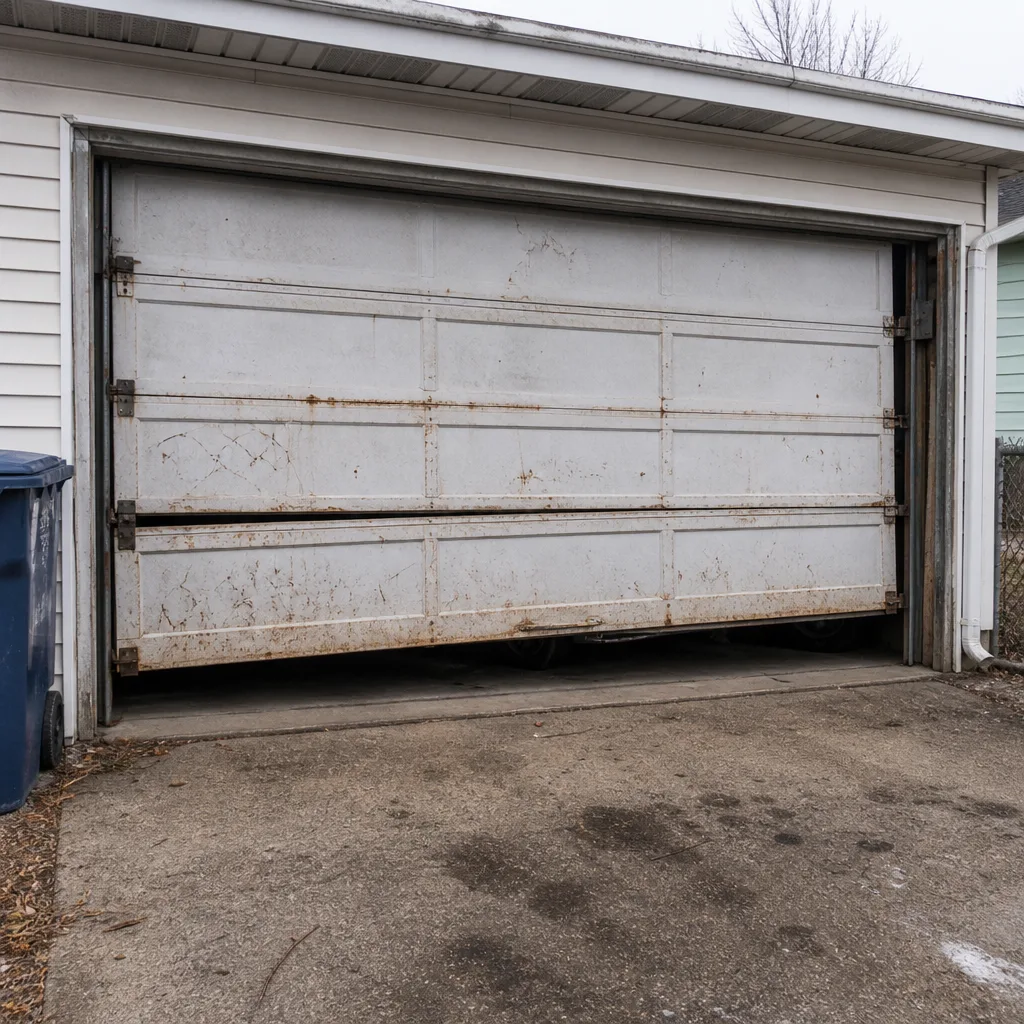
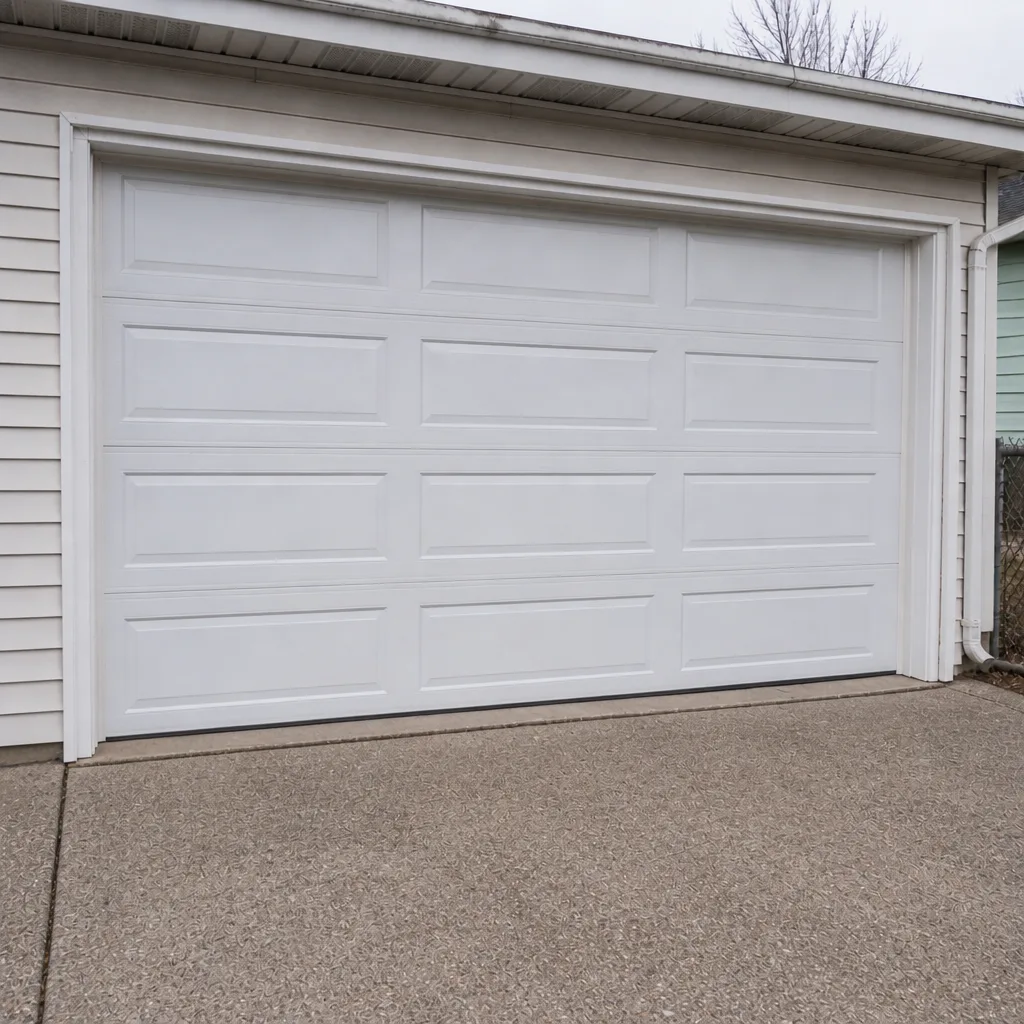
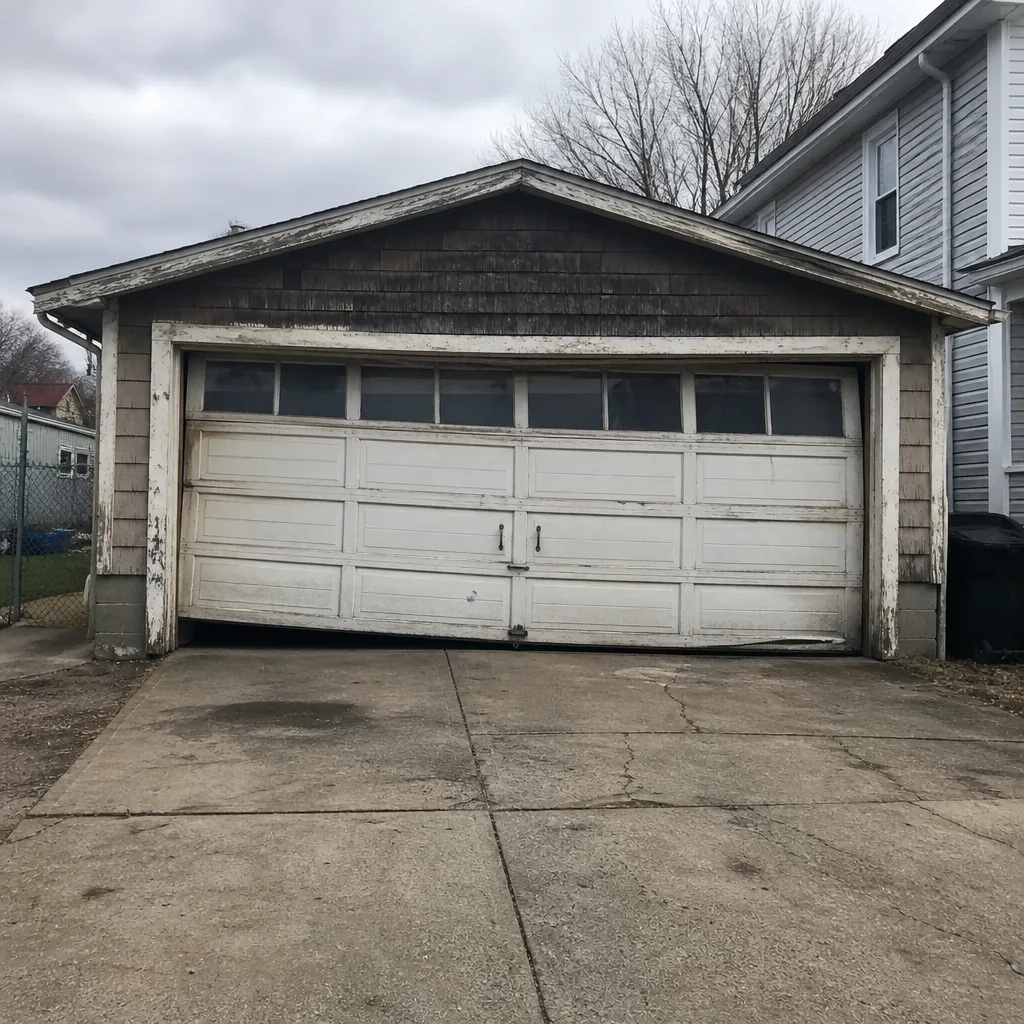
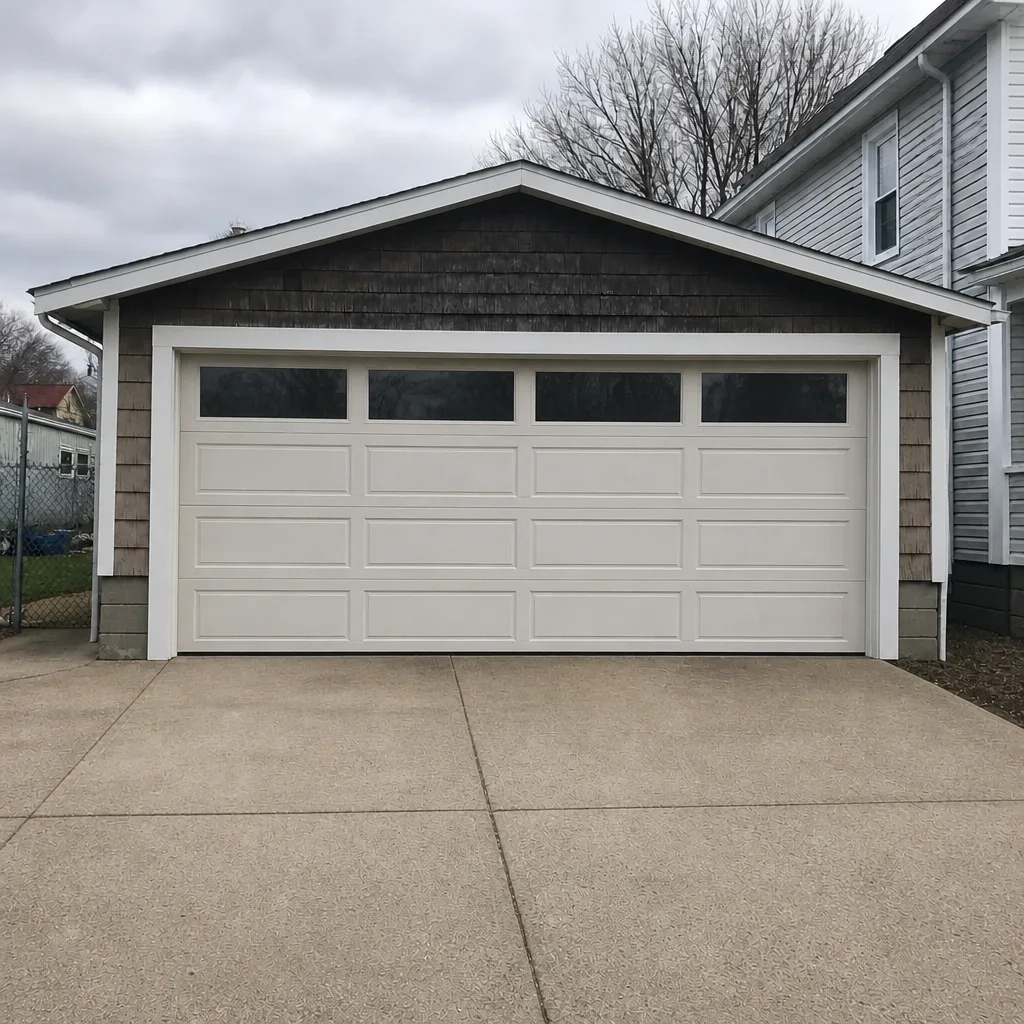
See the difference
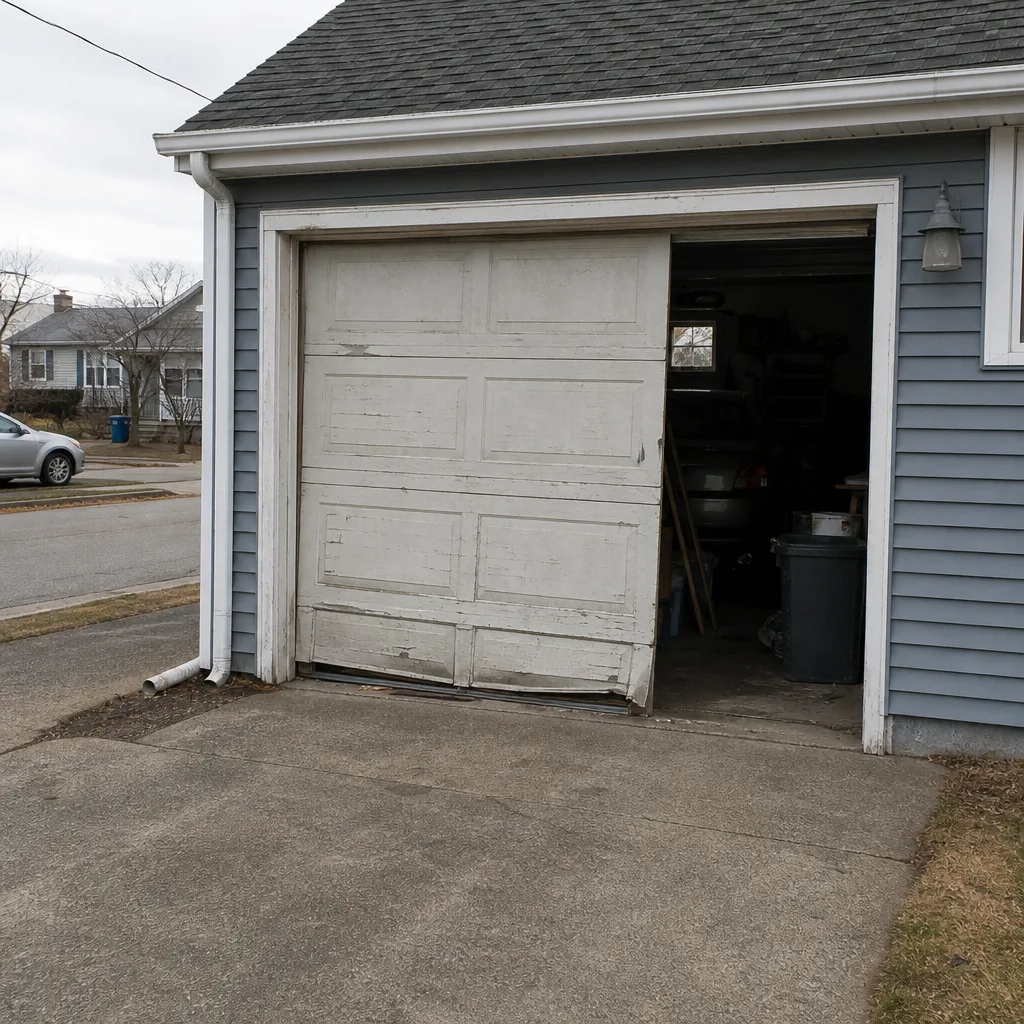 Before
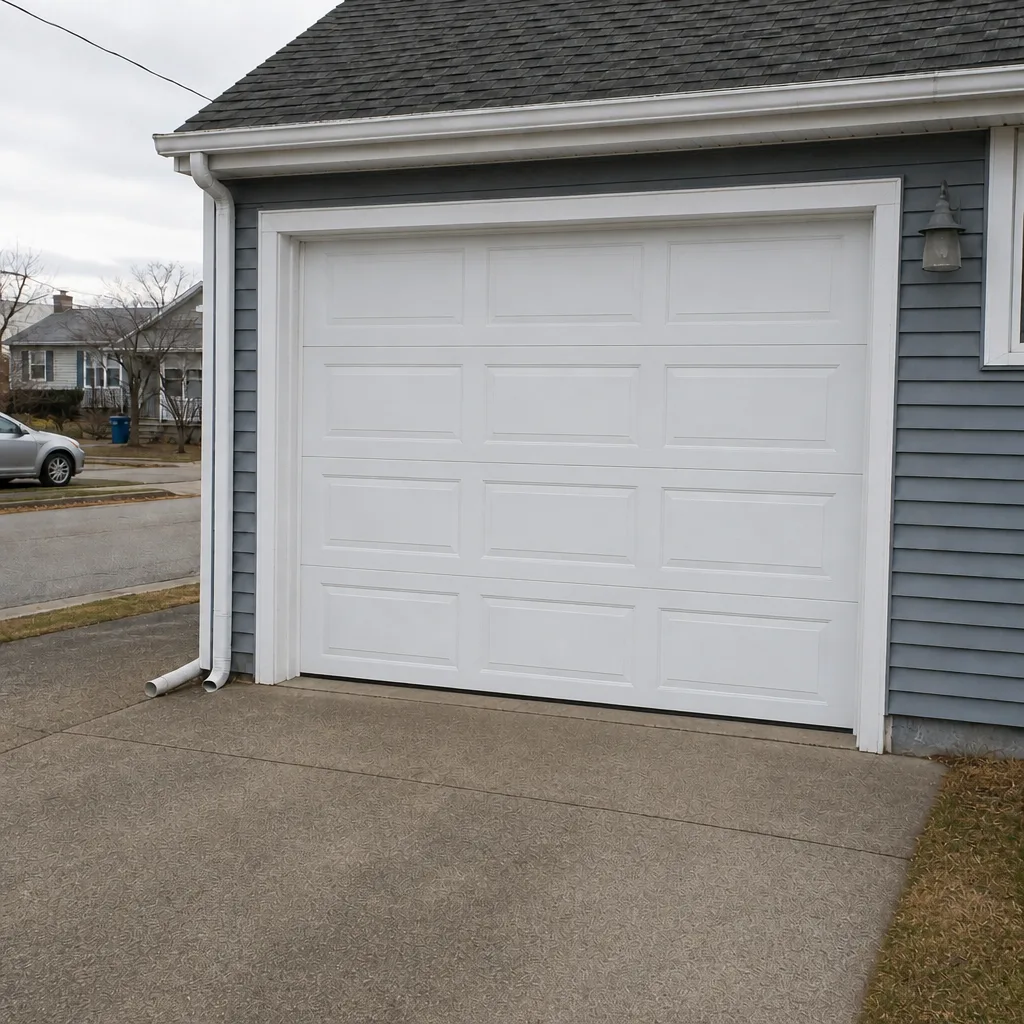 After
 Before
 After
 Before
 After
When to Call a Professional
Call a professional the moment a spring breaks, a cable frays, or the door comes off its track – those are not homeowner jobs, and delay can make them worse. Same for any opener problem that involves wiring, a burned-out circuit board, or a safety reverse that won’t test correctly after a clean. Any adjustment to spring tension, any sign a panel is separating from the door, and any noise that gets louder over a few days all warrant a look. If you’re not sure whether your issue is one of these, our team can tell you over the phone. Fall River Garage Door Repair Pros offers free estimates in Fall River – call (855) 658-4171. We answer 24/7. Fast dispatch from 7am to 7pm, Sunday through Friday, closed Saturday. Our technicians have up to 12 years of experience, and every one of them works exclusively on garage doors.
Frequently Asked Questions
Twice a year, timed to the calendar rather than the seasons in general: once in early spring after the last hard freeze, and once in late summer before the first frost. The spring visit clears winter salt and grit before it does damage, and the fall visit catches the temperature-swing issues that turn into January failures. Monthly safety reverse testing covers the gaps. If you’re the type to do only one service a year, make it the spring visit – that’s the one that undoes the winter.
Salt and frost damage, before anything else. Clear grit and salt residue from both tracks with a brush or vacuum, wipe down the bottom seal and lower panel seams, then inspect hinges and roller stems for chalky buildup. Only after the door is clean and dry should you lubricate. Doing it the other way around traps the winter into the moving parts and makes things worse. If you find pitting on the tracks or a seized hinge, get a technician to look at it.
No – not with grease or oil. Tracks should be cleaned, not lubricated, with a stiff brush or cloth and a very light silicone wipe. Rollers run better on clean, dry metal than on a coated surface. Grease attracts grit and turns tracks into a grinding rail. Lubricate the hinges, roller stems, and bearing plates; clean the tracks. That’s the split.
Yes. A torsion spring under load stores enough mechanical energy to cause serious injury or worse if it releases unexpectedly. Extension springs are the same story. This is the one garage door repair that should always go to a trained technician with proper winding bars and safety protocols. Our technicians handle spring work every week and use the right tools – this is not a job for a YouTube tutorial, however good the video is.
Because it fails in two opposite directions. Summer humidity swells the rubber and pushes it out of its channel; winter freeze-bonding glues it to the floor and tears it apart the first time you open the door. A seal that passes the paper test in July can still freeze-bond in January. Testing it in both seasons catches the different failure modes before they cost you the seal or the bottom panel.
If the door is running smoothly, wait for the seasonal service. If you noticed a noise change, a binding door, a slightly crooked panel, or a bottom seal that’s started to split, call now – early intervention is much cheaper than repairing after a failure. Fall River Garage Door Repair Pros offers free estimates. Call (855) 658-4171. We answer 24/7, so if a spring goes on a Sunday morning, we can book the visit for Sunday or the next opening. Estimates are free, and the written quote is the price.
The Bottom Line
Garage door maintenance in Fall River works when it’s sequenced to the calendar – winter cleanup first, then hardware checks, then weatherstrip testing, then lubrication last. The parts you can safely handle are the cleaning, the testing, and the light tightening. The parts you shouldn’t touch are springs, cables, and anything inside the opener. Do the safe work twice a year, run the safety reverse test monthly, and keep an eye on the bottom seal through freeze-thaw season. The doors that last here are the ones that get their maintenance in the right order, and the rest are the ones we see every spring. If you’re not sure where your door stands, one call settles it. Call (855) 658-4171 for a free estimate. We answer 24/7, with fast dispatch from 7am to 7pm, Sunday through Friday.
Written by the team at Fall River Garage Door Repair Pros.