
Last updated November 22, 2026
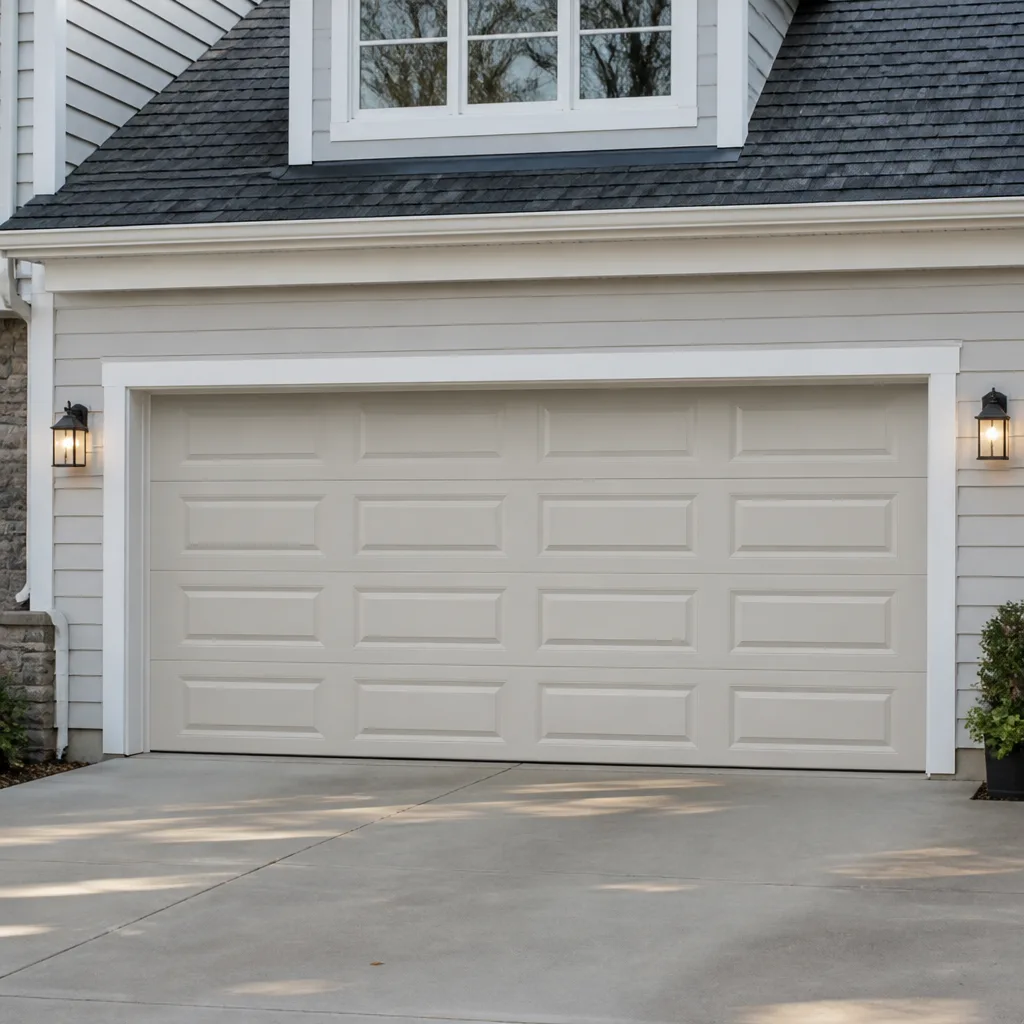 Raised-panel steel
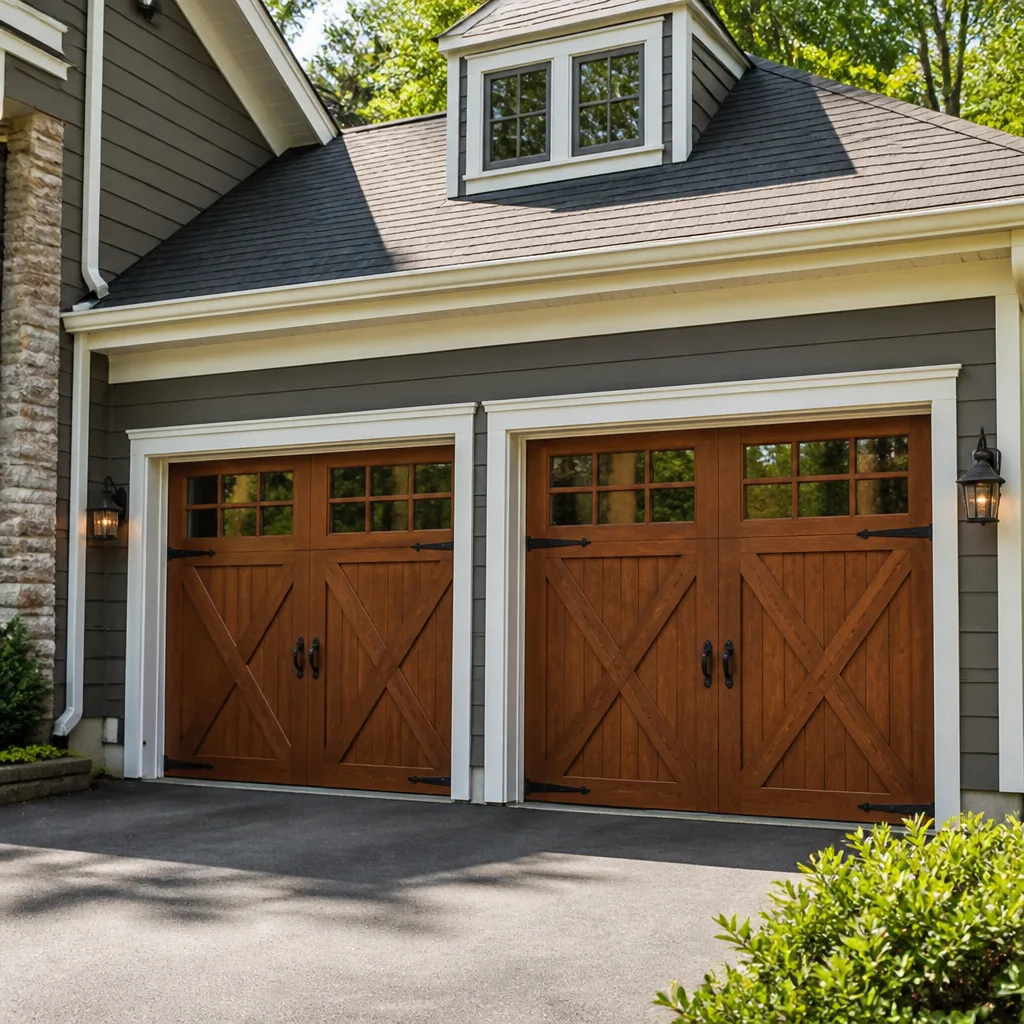 Carriage house
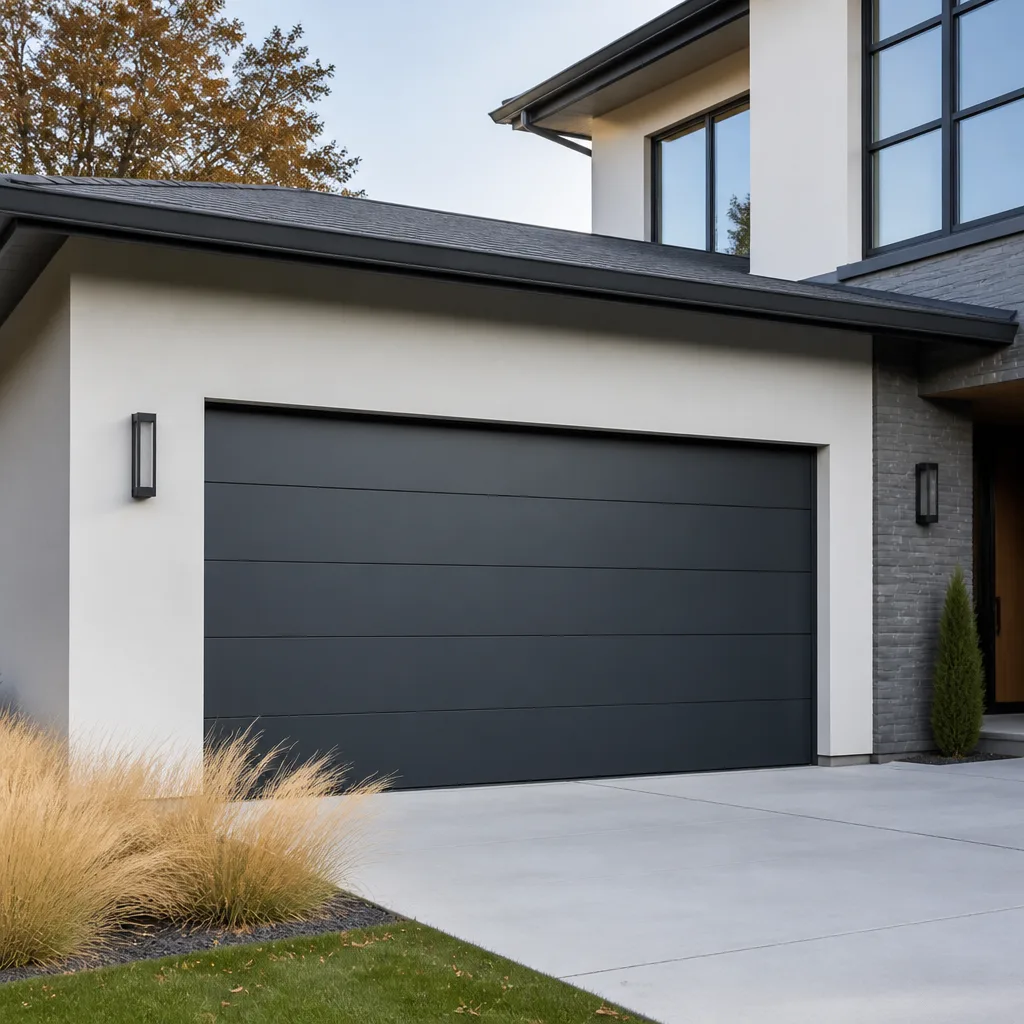 Modern flush
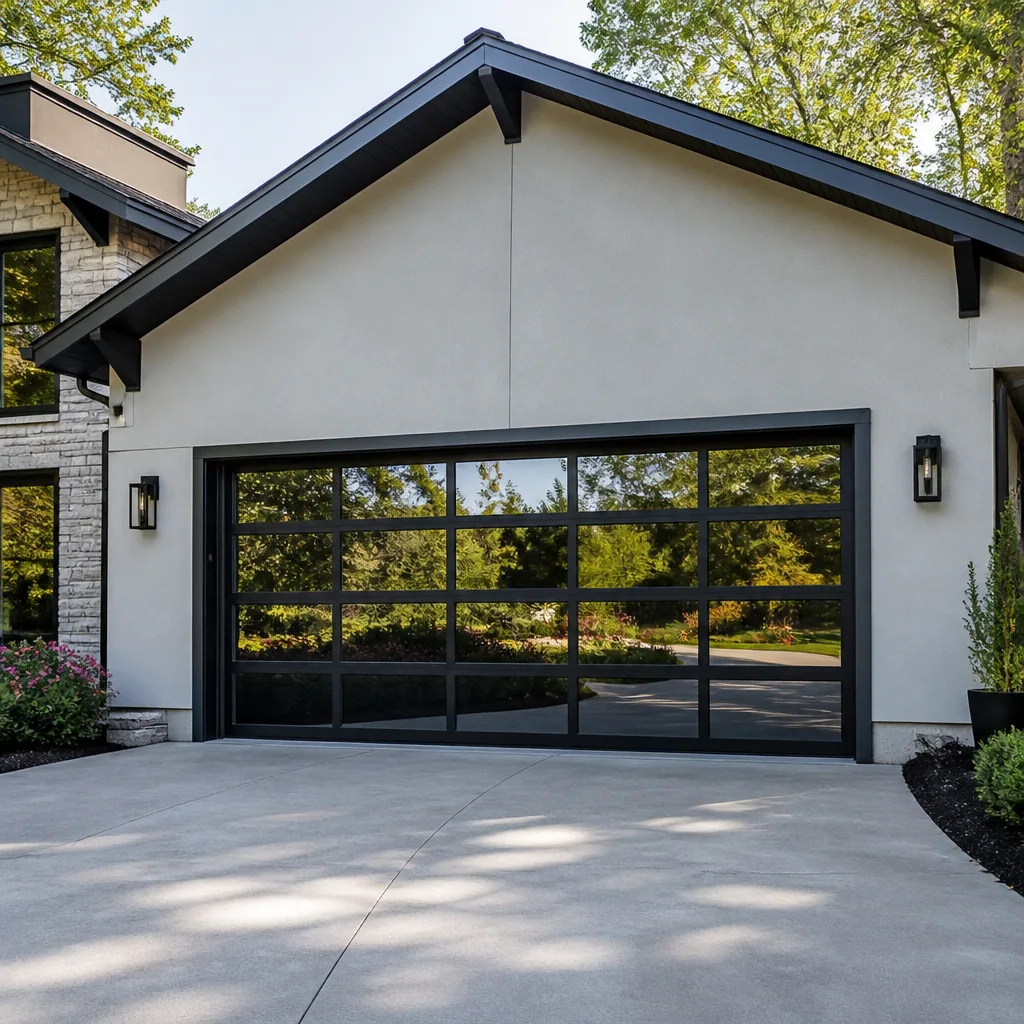 Full-view glass
 LiftMaster openers
 Chamberlain openers
Full 25-point door and opener safety check with every visit - springs, cables, rollers, tracks, and your LiftMaster or Chamberlain opener included
You get a price before we start. It does not change when the pro arrives.
Get your free estimateGarage Door Repair Maintenance Schedule: What to Do and When
Most garage door advice tells you to do something every month. Very little of it tells you which of those tasks actually prevents a breakdown. Here’s the part that matters: the number-one cause of premature spring failure isn’t age. It’s an improperly balanced door that nobody checked for years. And that’s a 90-second test, not a service call. A door that fights its springs every time it opens wears them out early, and the same imbalance quietly taxes the opener motor until one of them gives. This guide lays out a maintenance calendar built around what actually breaks, with time estimates for each task, the right products for each part, and the Fall River seasonal timing that matters most.
Quick Answer
A practical garage door maintenance schedule has three tiers: a monthly visual check and balance test (about 5 minutes), semi-annual lubrication and hardware tightening (about 20 minutes), and an annual spring, cable and roller inspection (about 15 minutes of your own looking, plus a professional check for the parts you shouldn’t touch). The single highest-value habit is the monthly balance test, because an unbalanced door is what wears out springs and openers ahead of schedule. Everything else is upkeep that keeps the schedule from slipping.
Styles & brands we work with
- Raised-panel steel
- Carriage house
- Modern flush
- Full-view glass
- LiftMaster openers
- Chamberlain openers
Table of Contents
- Why a Real Schedule Beats a Generic Checklist
- The Monthly Check: 5 Minutes That Save Springs
- The Balance Test, Explained in Plain Terms
- The Semi-Annual Service: Lubrication and Hardware
- The Right Lubricants (and Why WD-40 Is the Wrong Answer)
- The Annual Inspection: Springs, Cables and Rollers
- Fall River Seasonal Timing: Why October Matters Most
- Tasks That Void Manufacturer Warranties If Skipped
Why a Real Schedule Beats a Generic Checklist
Search for a garage door maintenance schedule and you’ll find the same recycled list: lubricate the springs, tighten the bolts, test the safety reverse, repeat. It’s not wrong. It’s just not organized around the failures that actually happen.
In our experience, the calls we get in Fall River break down into a few predictable categories. Broken torsion springs. Openers that strain or stall. Doors that come off track. Cables that fray and snap. Rollers that flat-spot and make the whole door shudder. Notice what’s not on that list: cosmetic wear. Nobody calls because a hinge looks a little tired. They call because something stopped working.
So a useful maintenance schedule is built backwards from those failures. What task prevents a broken spring? Mostly the balance test, because an unbalanced door overloads the springs on every cycle. What prevents opener strain? Lubrication and balance, together. What prevents a door jumping track? Hardware that stays tight and rollers that stay round.
That’s the logic behind the calendar below. Three tiers, arranged by how often each task needs doing and how much it protects you. If you do nothing else, do the monthly check. If you want the door to last, add the semi-annual lubrication. And once a year, look harder at the parts that wear silently.
One more thing worth saying up front: this schedule is about inspection and light upkeep. It is not a license to disassemble spring hardware. We’ll flag exactly where the line sits, because it matters more than any other point in this guide.
The Monthly Check: 5 Minutes That Save Springs
The monthly check is a walk-around, not a repair session. You’re looking and listening, not turning wrenches. Set a phone reminder for the first of the month and it becomes a habit fast.
Here’s the whole routine, in order:
- Look at the springs. Torsion springs sit on a shaft above the door; extension springs run along the sides. Look for visible gaps or a clean break in the coil. A broken spring often shows a clear separation you can spot without touching anything.
- Check the cables. Follow each cable from the drum down to the bottom bracket. You’re looking for fraying, kinks, or a cable that’s come off its drum. Don’t put your hand near a cable under tension, just look.
- Inspect the rollers. Nylon rollers should be smooth and round; steel rollers should spin freely. A flat-spotted or wobbly roller is on its way out.
- Eye the hinges and brackets. Loose bolts show as gaps or wobble when the door moves. Note them for the semi-annual tightening rather than cranking on them mid-check.
- Run the door and listen. A healthy door is quiet and steady. Grinding, squealing, or a door that jerks on the way up is telling you something.
- Test the safety reverse. Put a roll of paper towels under the door and close it. The door should reverse on contact. If it doesn’t, stop using the opener until it’s fixed.
Those six steps take about five minutes and catch most problems before they strand you. In Fall River, where doors cycle hard through every season, the monthly listen-and-look is the cheapest insurance you have.
The Balance Test, Explained in Plain Terms
The balance test tells you whether your door’s springs are still doing their share of the lifting, or whether the opener motor is quietly making up the difference. It’s the most important five-minute task in this entire schedule, and almost nobody does it.
Here’s how it works. Disconnect the opener using the manual release cord so the door moves by hand. Lift the door to about halfway and let go. A properly balanced door should stay roughly where you put it, maybe drifting a few inches. It should not slam down or spring upward on its own. That’s it. That’s the test.
A passing result feels like a door that’s almost weightless in your hands, holding its position with a slight, even effort. If the door wants to fall, the springs are losing tension or the door is out of balance. If it wants to rise, the springs are over-tensioned. Either way, the opener has been fighting the door on every single cycle.
What that imbalance actually does is cumulative. The opener motor works harder than it was designed to, which shortens its life and can burn out the logic board. The springs endure uneven stress, which brings on fatigue and breakage earlier than they should. And the door itself runs rougher, wearing the rollers and hinges faster.
For a picture of what a strained opener looks like from the inside, our garage door opener repair page covers the symptoms. But the balance test is where you catch it. Do it monthly. It’s the cheapest diagnostic in the trade.
Safety note: do the balance test by hand only, with the opener disconnected. Don’t reach for the springs, cables or bottom brackets to “help” the door. Those parts carry serious stored force, and adjusting them is a job for a trained technician, not a homeowner with a wrench.
The Semi-Annual Service: Lubrication and Hardware
Twice a year, you graduate from looking to doing. The semi-annual service is the lubrication pass and the hardware tightening pass, and it takes about 20 minutes once you’ve done it a couple of times.
Work through it in this order:
- Lubricate the springs. Torsion springs get a light coat of a dedicated garage door lubricant. Extension springs get the same treatment along the coil.
- Lubricate the hinges. A drop at each hinge pivot point. Don’t spray the whole hinge; hit the moving joint.
- Lubricate the rollers. Nylon rollers need very little, mostly a clean stem. Steel rollers benefit from a light application at the bearing.
- Lubricate the tracks sparingly. A thin film on the inside of the vertical tracks helps; too much attracts grit. Rollers ride better on a clean, lightly treated track than a greasy one.
- Tighten the hardware. Go around the hinges, brackets and track bolts with the right tool and snug anything loose. Don’t overtighten; steel track and aluminum hinges strip if you force them.
- Wipe the tracks clean. A dry cloth removes dust and debris that would otherwise grind into the rollers.
If you’d rather not climb a ladder to reach the torsion springs, or you’re not confident which bolts are safe to adjust, that’s a reasonable place to hand it over. A garage door repair visit can fold the lubrication and tightening into a routine check.
The Right Lubricants (and Why WD-40 Is the Wrong Answer)
The single most common mistake we see on garage door maintenance is reaching for the blue-and-yellow can of WD-40. It’s a penetrating oil, not a lubricant, and on a garage door it does more harm than good. It strips the existing lubricant, attracts dust, and leaves metal dry once it evaporates. Every part of your door has a better answer.
Here’s what each part actually wants:
- Springs: a dedicated garage door lubricant, spray-on and clean. Springs need a light, lasting film that doesn’t collect grit. Never use grease on a torsion spring.
- Hinges: the same garage door lubricant, or a light lithium grease on the pivot points. A drop is plenty.
- Nylon rollers: essentially none. Nylon is self-lubricating; keep the stem clean and skip the spray. Adding oil to a nylon roller just attracts dirt.
- Steel rollers: a light garage door lubricant at the bearing, not the wheel.
- Tracks: a very light film of garage door lubricant on the inside surface. Not grease, not WD-40, not cooking spray.
- Opener rail and chain: a purpose-made chain and rail lubricant if your opener uses a chain drive. Follow the opener brand’s guidance here; a Genie or LiftMaster chain wants different treatment than a belt drive.
None of this is expensive. A single can of proper garage door lubricant covers a whole door for a year. What costs money is the damage WD-40 does to springs and rollers over time, and the repair bill that follows.
The Annual Inspection: Springs, Cables and Rollers
Once a year, look harder at the parts that wear quietly. This is the inspection where a problem that hasn’t announced itself yet gets caught before it strands the door. Budget about 15 minutes for your own visual pass, then plan on a professional check for anything that carries stored force.
Your annual visual inspection covers:
- Spring tension, by appearance. Look for gaps, dings, or rust streaks on torsion springs. Extension springs should be checked at the ends and along the coil. A spring that looks stretched or has lost its coil shape is on borrowed time.
- Cable wear. Frayed strands, kinks, or cables sitting outside the drum are all replacement signals. Don’t ignore a cable that looks “a little rough.”
- Roller condition. Flat spots, cracks in a nylon wheel, or a wobbling steel roller all mean replacement. Rollers are cheap; a door off track is not.
- Track alignment. Tracks should be parallel and clear of dents. A track that’s been nudged out of alignment will wear the rollers and strain the opener.
- Bottom seal and weatherstrip. A cracked or missing bottom seal lets in water and debris, and in Fall River that means ice at the threshold in winter. Replace it when it stops sealing.
- Hardware and hinges. Worn hinges with play in the pivot, brackets that are loose, or bolts that no longer hold tight.
The annual inspection is also the right moment to book a professional check on the spring and cable system. That’s the part of the door that carries real stored force. Our garage door spring repair page explains why this is one of the few garage door tasks a homeowner should never take on directly. A trained technician with the right tools can assess spring tension, cable condition and drum alignment in a way no visual pass can match.
Fall River Seasonal Timing: Why October Matters Most
Timing the annual service to your climate is what separates a useful schedule from a generic one. In Fall River, the check that matters most happens in October, not spring.
Here’s why. Fall River sits in the kind of New England climate that swings hard through freeze-thaw cycles between late fall and early spring. Every cycle works the door’s hardware: the steel contracts and expands, the tracks shift a fraction, the metal fatigues. The conditions that stress a door most are the cold months, and they arrive in October. A door that’s inspected and squared away before the freeze sets in has a much better chance of running clean through the winter. The spring check, while useful, happens after the door has already survived the worst of it.
So the practical advice for Fall River homeowners is this: put the annual inspection on the calendar for October. Run the monthly check through the winter months without fail, because that’s when a strained opener or a balance problem shows itself first. And if the door has been sluggish all summer, that’s your cue to get it looked at before the cold arrives.
Neighborhood factors come into play too. The older housing stock in neighborhoods like the Highlands and around the Quequechan River means plenty of doors with decades of cycles on their existing springs and openers. Those systems benefit from a mid-autumn inspection more than a newer install would. If you’re in a newer development, the schedule still applies; the wear is just a little slower.
Pre-winter is also the right time to check the bottom seal and weatherstrip, because a gap that lets in summer air becomes an ice problem in January. It’s a small fix with a big payoff in Fall River.
Tasks That Void Manufacturer Warranties If Skipped
A garage door warranty isn’t unconditional. Most manufacturers build in requirements around installation, service and the parts that wear. Skip the recommended maintenance, and a warranty claim on a spring or opener can get complicated.
The tasks that tend to matter most, from our experience with the major brands:
- Documented lubrication and hardware checks. Manufacturers of systems like Genie and LiftMaster expect the homeowner or a service tech to keep the moving parts maintained. A sagging door from a skipped lubrication schedule can be read as neglect.
- Annual spring and cable inspection. Doors from Clopay and Amarr carry spring warranties that assume the spring system was serviceable and balanced. A door that’s been unbalanced for years can be argued as owner-caused wear.
- Opener safety-reverse testing. Opener warranties assume the safety reverse works. Fail to test it and the manufacturer can point to that in a claim.
- Professional installation of replacement springs. Spring warranties on Wayne Dalton and similar doors often require replacement by a qualified technician, not a DIY swap.
- Tracking the service. A simple log of what was done and when goes a long way if a claim ever comes up.
This isn’t legal advice, and warranty terms vary by door and by brand, so read the paperwork that came with your system. But in general, the maintenance schedule in this guide is also the schedule that keeps your warranty intact. Our Fall River Garage Door Repair Pros page is a good starting point if you’d rather have the whole thing handled by a specialist who knows these brands.
Common Mistakes to Avoid
- Spraying WD-40 on the springs and calling it maintenance. It’s a penetrating oil, not a lubricant, and it strips the real lubricant off. Use a dedicated garage door lubricant instead.
- Skipping the balance test because the door “still works.” A door that opens isn’t necessarily balanced. The balance test is what catches the slow wear that kills springs and openers.
- Overtightening hardware. Snug is the goal. Steel track and aluminum hinges strip easily, and a stripped bolt is a bigger problem than a slightly loose one.
- Greasing the tracks. Rollers ride on a clean, lightly treated track, not a greasy one. Grease collects grit and speeds up wear.
- Doing the annual spring inspection by hand. Springs and cables carry serious stored force. Visual inspection is fine; physical adjustment is a job for a trained technician, and getting it wrong can cause a serious injury.
- Waiting until the door fails to book a service. In Fall River, the October pre-winter check is far cheaper than an emergency call in January when the door won’t open.
- Ignoring a noisy door. Grinding or squealing is the door telling you a part is wearing. Fixing it early keeps the repair small.
See the difference
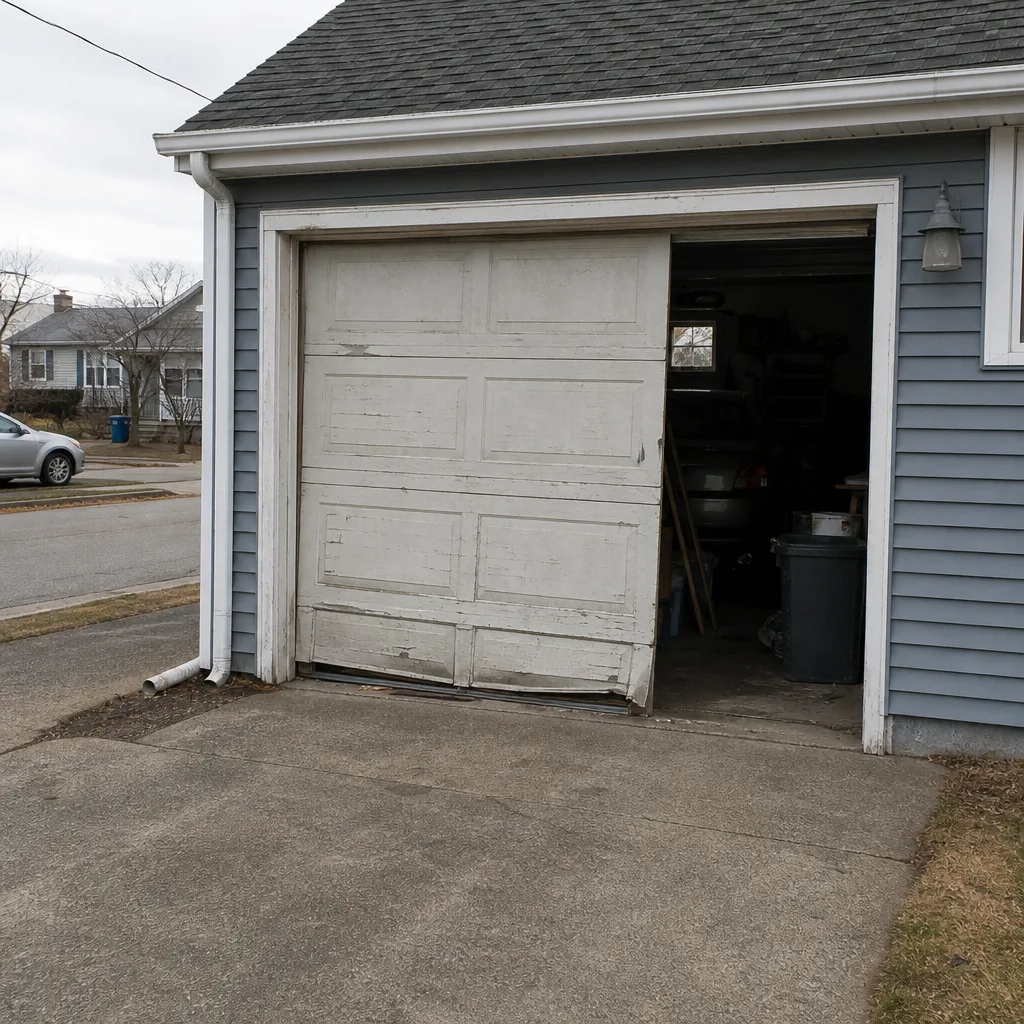 Before
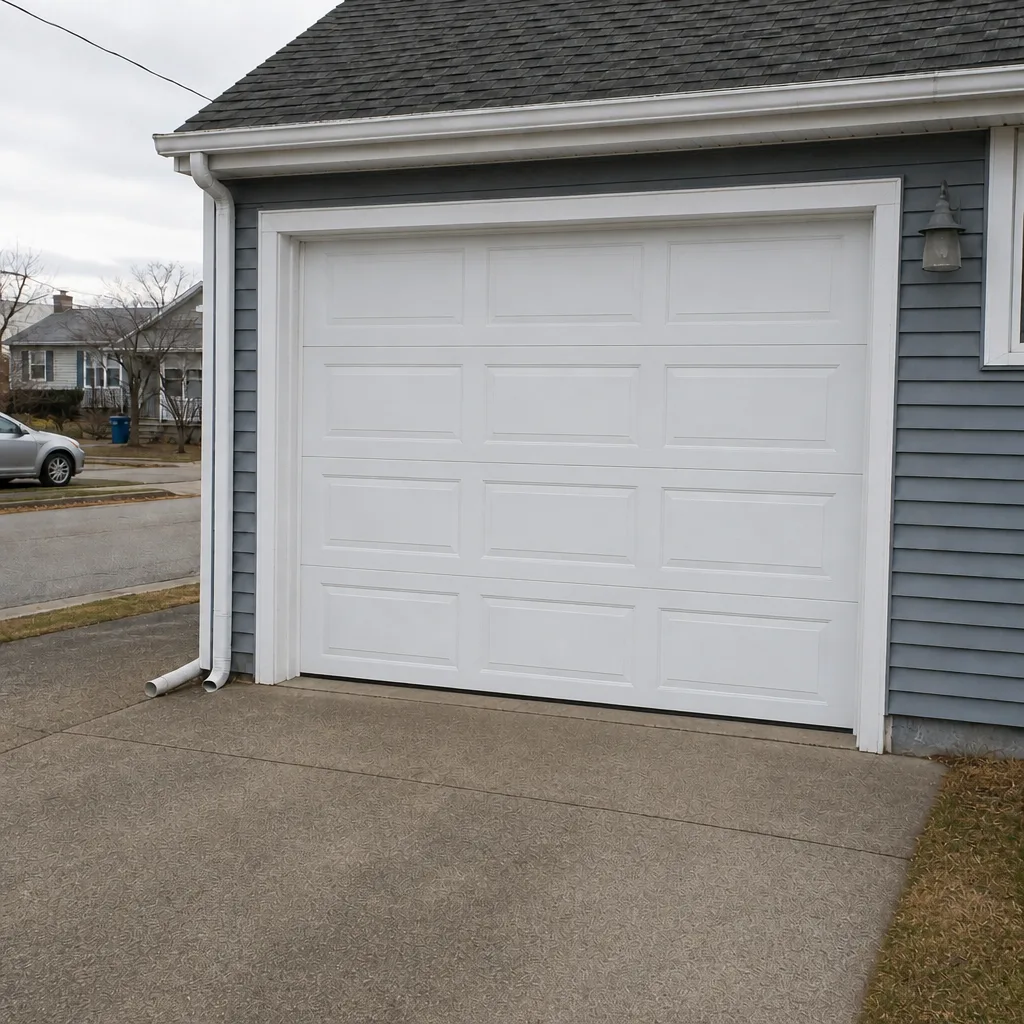 After
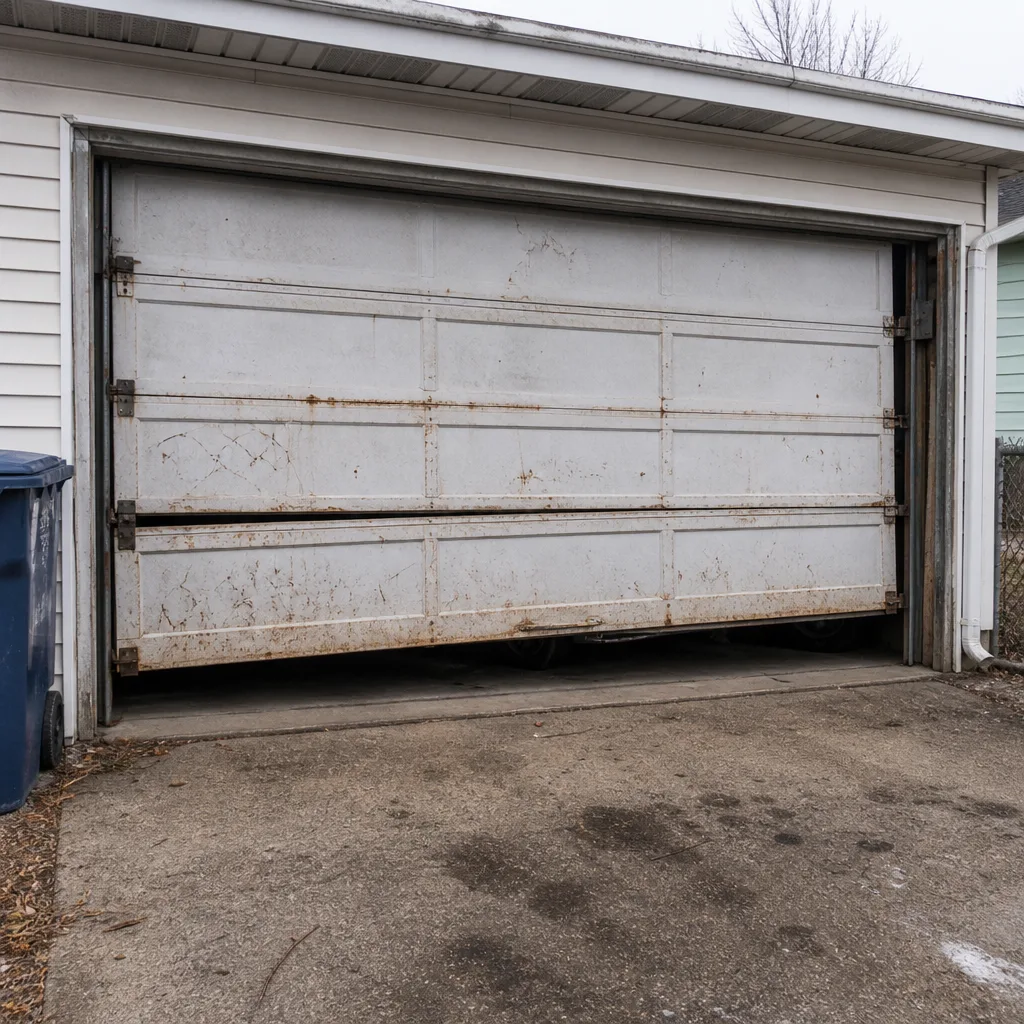 Before
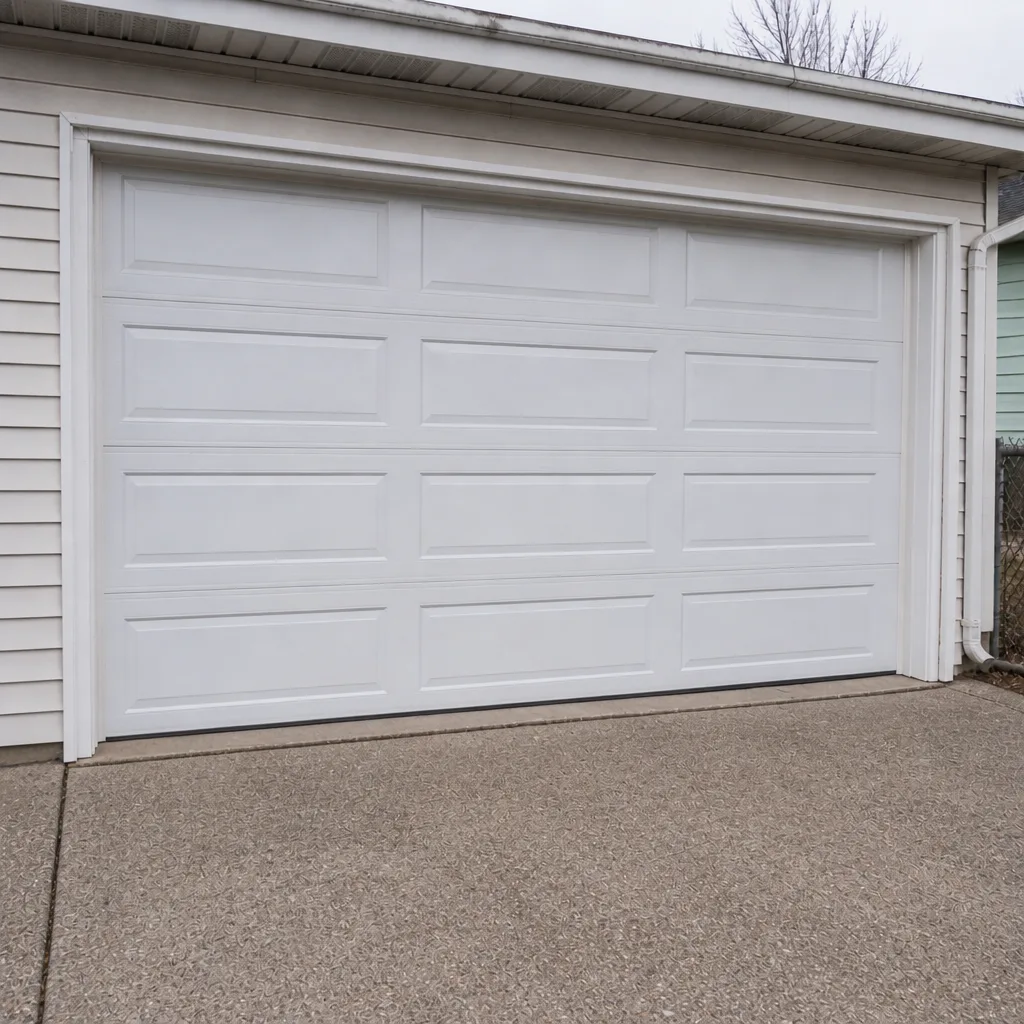 After
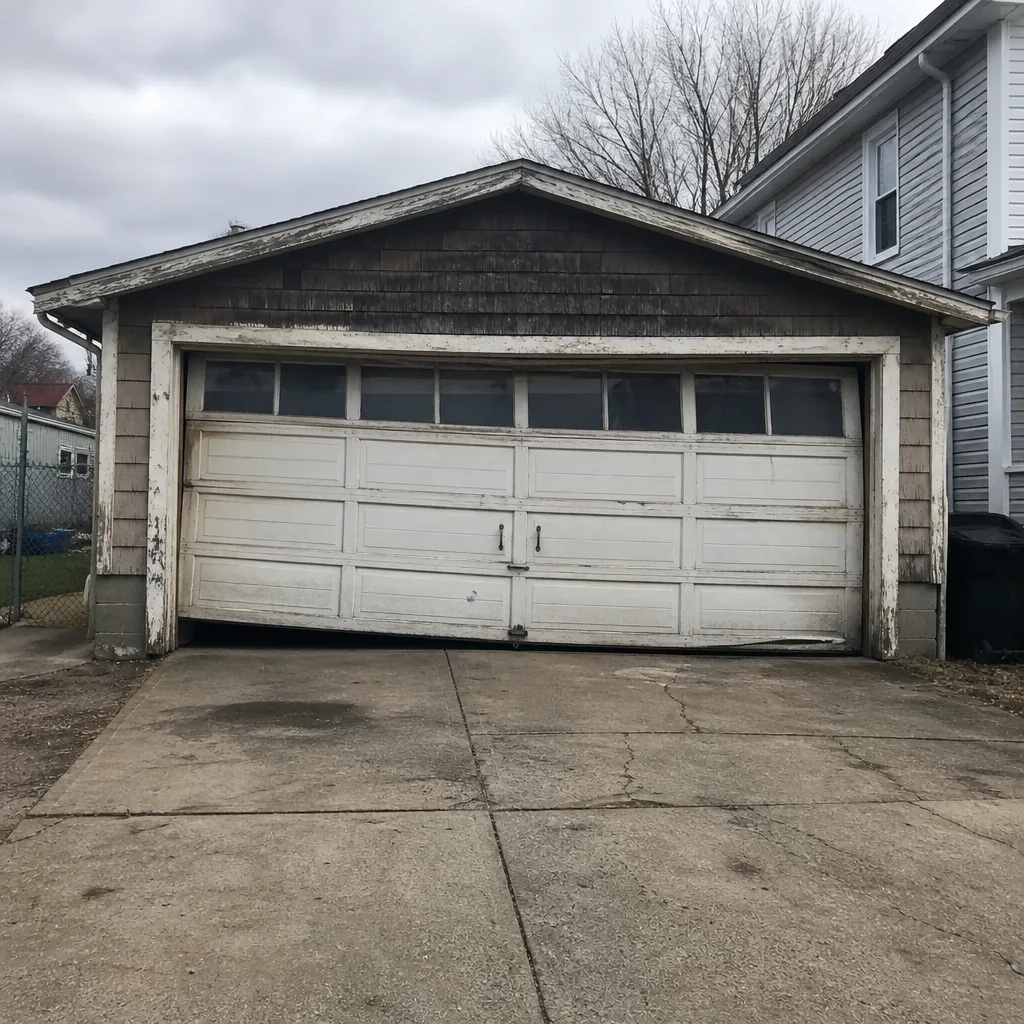 Before
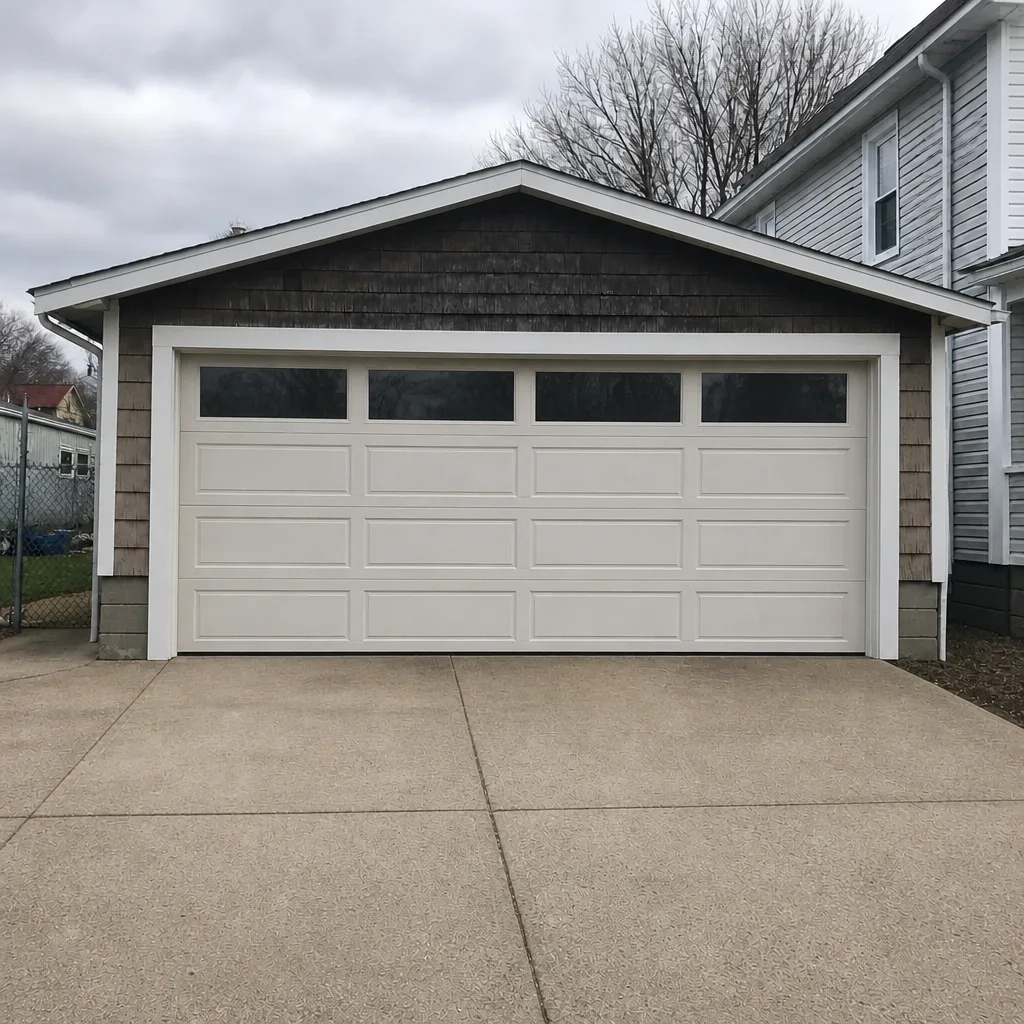 After
When to Call a Professional
Some tasks in this schedule are fine to handle yourself. Others aren’t. The line sits at anything involving the springs, cables, drums or bottom brackets, and any adjustment to the opener’s force settings or travel limits. These parts carry stored force that can cause serious injury if handled without the right tools and training. If you hear a loud bang from the garage and the door won’t lift, a spring has most likely broken. Don’t run the opener, and don’t try to move the door by hand. If the door comes off track, stops reversing, or the opener strains or stalls, that’s a professional call too. Our technicians have up to 12 years of experience and work exclusively on garage doors, across LiftMaster, Chamberlain, Genie, Clopay, Amarr, Wayne Dalton, Craftsman and Raynor systems. Fall River Garage Door Repair Pros offers free estimates in Fall River – call (855) 658-4171. We answer 24/7. Fast dispatch from 7am to 7pm, Sunday through Friday.
Frequently Asked Questions
A garage door should get a quick visual check and balance test monthly, lubrication and hardware tightening semi-annually, and a full spring, cable and roller inspection annually. In Fall River, schedule the annual inspection in October so the door is ready for the freeze-thaw months. Call (855) 658-4171 for a free estimate if you’d rather have a technician run the full check.
The monthly balance test is the most important task, because an unbalanced door is what wears out springs and opener motors ahead of schedule. It takes about 90 seconds with the opener disconnected. If the door doesn’t hold its position when you let go halfway up, it needs professional attention. Call (855) 658-4171 to book a check.
Yes, you can apply a dedicated garage door lubricant to the springs as part of the semi-annual service, and that’s a reasonable homeowner task. What you shouldn’t do is adjust spring tension, unwind a spring, or touch the cables and bottom brackets. Those carry serious stored force. Call (855) 658-4171 if you’re unsure what needs doing.
Fall River’s freeze-thaw cycles stress the door’s hardware more than warm weather does, because the metal contracts and expands through the cold months. That’s why the October pre-winter inspection matters more here than a spring check. A door that’s squared away before the freeze runs cleaner all winter. Call (855) 658-4171 to book the October check.
A noisy garage door is usually a sign that a part is wearing, most often the rollers, hinges or springs. Grinding or squealing that shows up suddenly deserves a look. It’s often a small fix if caught early. Call (855) 658-4171 to have it checked.
Skipping maintenance can complicate a warranty claim on springs, cables or the opener, because most manufacturers expect the moving parts to be maintained and the safety reverse tested. Read the paperwork that came with your door for the exact terms. In general, following the schedule in this guide keeps your warranty intact. Call (855) 658-4171 if you want the maintenance documented by a specialist.
The Bottom Line
A garage door doesn’t need monthly attention across the board. It needs the right attention at the right intervals. The monthly balance test is the one task that prevents the most common failures, because an unbalanced door is what wears out springs and openers ahead of schedule. Semi-annual lubrication with the right products, not WD-40, keeps the moving parts healthy. And the annual inspection catches spring and cable wear before it strands you. In Fall River, time the annual check to October and you’ll get ahead of the freeze-thaw stress that does the most damage. Follow this schedule and the door keeps working; skip it and the repair bill catches up.
When the schedule turns up something you shouldn’t handle yourself, or the door just needs a professional eye, call Fall River Garage Door Repair Pros at (855) 658-4171 for a free estimate. We answer 24/7. Fast dispatch from 7am to 7pm, Sunday through Friday. Garage doors are all we do, across eight major brands, from repairs and spring replacement to full installations.
Written by the team at Fall River Garage Door Repair Pros.